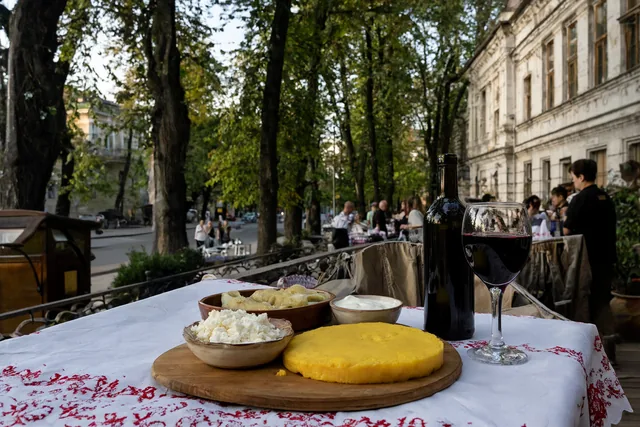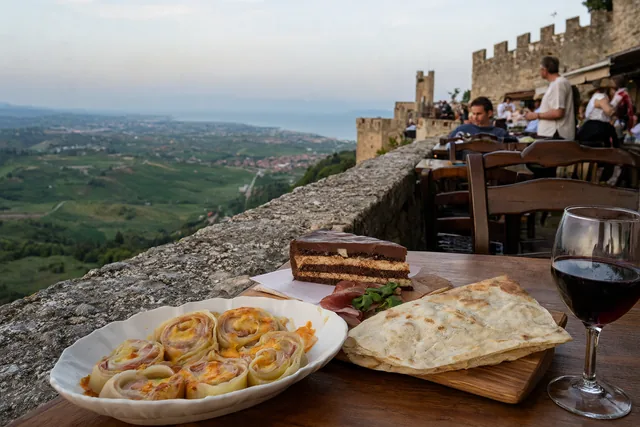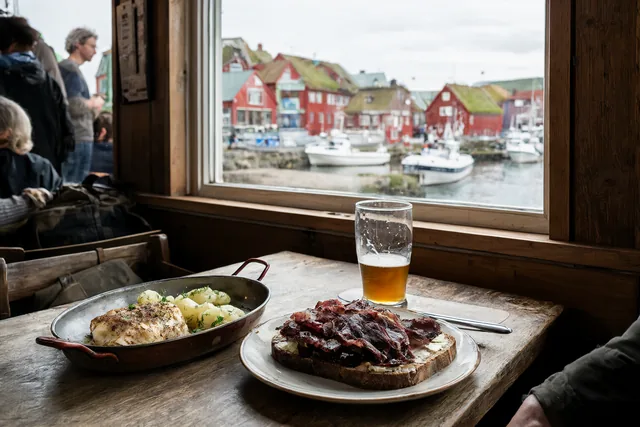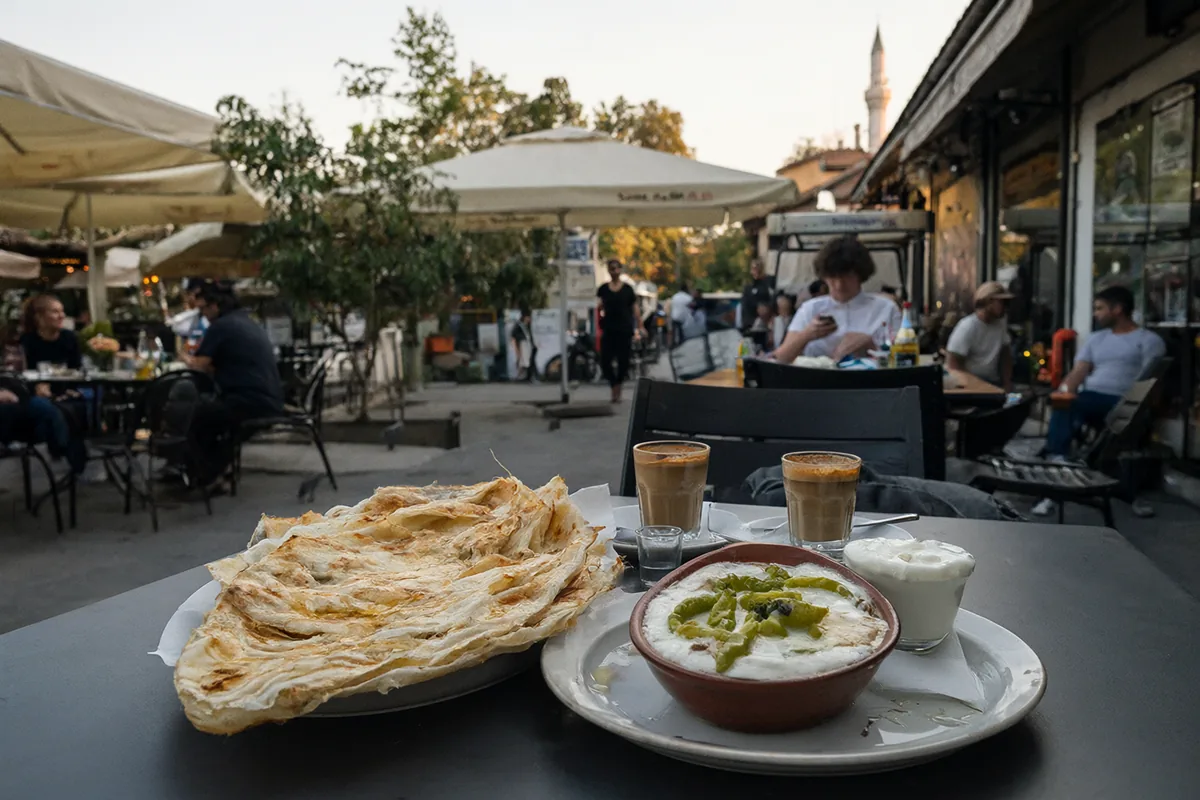
Kosovo is one of the youngest countries in Europe and one of the friendliest places to eat in the Balkans. Its food is Albanian and Ottoman at heart, with grilled meat, flaky pies, yoghurt, peppers and slow-baked layered pastry, and its café culture is so strong that Pristina claims to make the best macchiato outside Italy. This Kosovo food guide covers the dishes to know, how to read an Albanian menu, how tipping and paying work, then goes city by city through where to eat in Pristina, Prizren, Peja and the Rugova Valley, Gjakova and the wine town of Rahovec. Distances are short and prices are low, so you can eat well across the whole country in a few days. Many visitors combine Kosovo with its neighbours, so see our Albania food guide and North Macedonia food guide as well.
What to eat in Kosovo: 12 dishes to know
Kosovar food is built on bread, dairy, peppers and meat, especially veal, lamb and chicken. Pork is rarely on menus, as most Kosovars are from Muslim backgrounds, though the country is secular and alcohol is easy to find. These are the dishes to look for.
- Flija (everywhere): the national dish, thin layers of batter brushed with cream and baked one by one under a metal lid (saç) covered with hot embers. It takes hours to make, and it is served in wedges with honey, yoghurt, pickles or cheese.
- Pite and burek (bakeries): flaky filo pies baked in large round trays and filled with cheese, spinach, minced meat or potato, sold by the slice for breakfast with a glass of yoghurt.
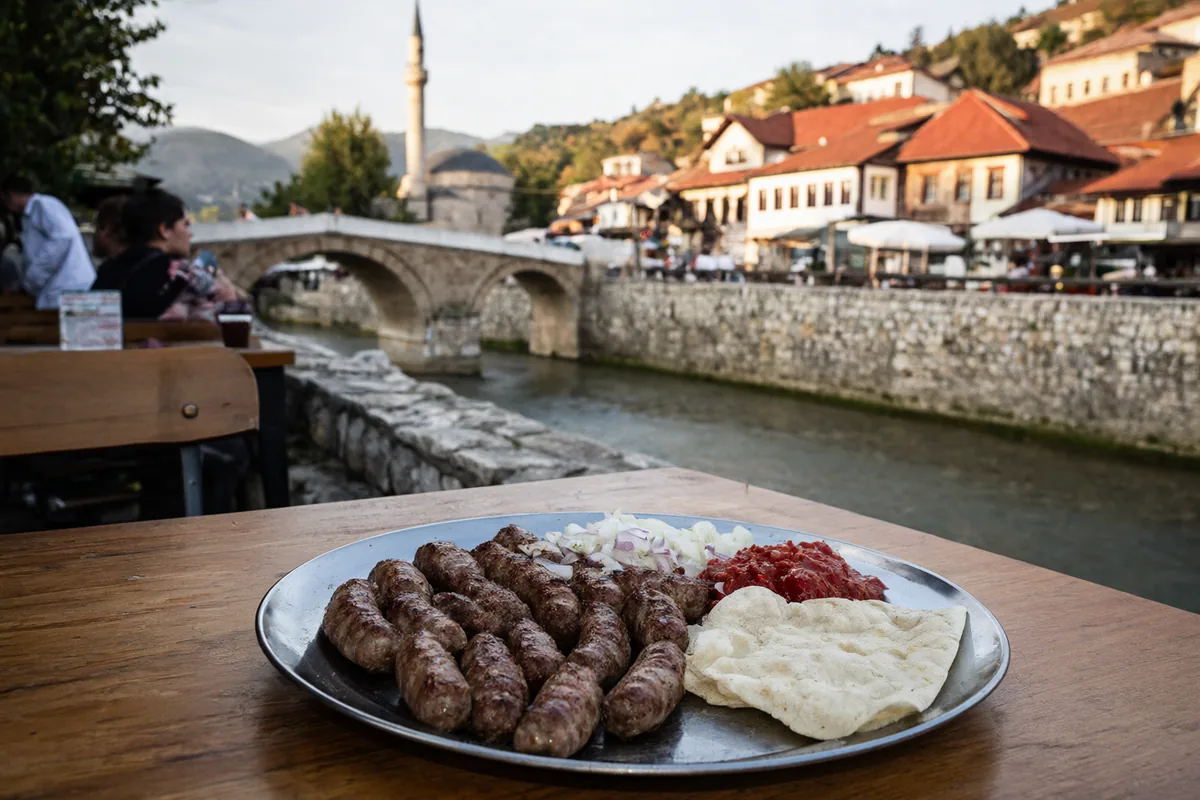
- Qebapa (grills): small grilled sausages of minced beef or veal, served in tens with raw onion, bread and ajvar.
- Pljeskavica (grills): a large, flat grilled patty of minced meat, often stuffed with cheese, served in bread with onion and salad.
- Speca me maze (everywhere): green peppers cooked in a rich sauce of cream and white cheese, eaten with bread as a starter or side.
- Tavë kosi (traditional restaurants): lamb or chicken baked with rice under a set layer of yoghurt and egg, a dish shared with Albania.
- Pasul (canteens and home cooking): a thick bean stew, often with smoked meat or sausage, served with bread and pickled peppers.
- Sarma and speca të mbushura (everywhere): cabbage or vine leaves and peppers stuffed with rice and minced meat, served with yoghurt.
- Mantia (bakeries and traditional restaurants): small baked pastries filled with minced meat, served with yoghurt or a garlic sauce.
- Kaçamak (mountain areas): a thick cornmeal porridge mixed with cheese and butter, filling food in the Rugova Valley and other highland areas.
- Trileçe (cafés and pastry shops): a sponge cake soaked in three kinds of milk and topped with caramel, hugely popular in Kosovo and Albania. Bakllava and other syrup-soaked Ottoman pastries are everywhere too.
- Makiato (everywhere): espresso with a cap of foamed milk, served small and strong in glass or china cups. Coffee is the centre of Kosovar social life, and cafés are full from morning to midnight.
How to read an Albanian menu
Albanian is spoken by the large majority of Kosovars, and menus in most of the country are written in Albanian. In Pristina, many restaurants also print English, and younger staff usually speak it well. Serbian is also an official language and is used in Serb-majority areas, where menus may be in Serbian Cyrillic or Latin script. German is widely understood because many Kosovars have lived or worked in Germany and Switzerland.
| Albanian | Meaning |
|---|---|
| Menyja | Menu |
| Mëngjes | Breakfast |
| Paragjella / meze | Starters / small plates |
| Supë / çorbë | Soup |
| Sallatë | Salad |
| Gatime tradicionale | Traditional dishes |
| Mish viçi / qengji / pule | Veal / lamb / chicken |
| Peshk / troftë | Fish / trout |
| Në skarë / në furrë | Grilled / baked in the oven |
| Djathë / kos | Cheese / yoghurt |
| Perime | Vegetables |
| Bukë | Bread |
| Ëmbëlsira | Desserts |
| Pije / ujë / verë / birrë | Drinks / water / wine / beer |
Grills often sell qebapa in portions of five or ten, and meat dishes may be listed with the weight of the portion. Salads and bread are usually ordered separately. swap.menu reads Albanian and Serbian menus, explains every dish in your language and shows you the price in your home currency, so ordering at a busy grill is easy.
Tipping, paying in euros and meal times
Menu prices in Kosovo include VAT, called TVSH, and service charges and cover charges are rare. Tipping is appreciated but modest: rounding up the bill is normal in cafés, and leaving around 10 percent is generous in a sit-down restaurant. Our guide to tax and service charges on menus explains how these lines work in other countries.
Kosovo uses the euro (€), although it is not a member of the eurozone. Cards and contactless payment are accepted in many restaurants, hotels and supermarkets in Pristina, but small grills, bakeries, cafés and village restaurants often take cash only, and smaller towns run largely on cash. ATMs are common in towns. If a card machine offers to charge you in your home currency, choose euros: our guide to paying in local currency explains why.
Breakfast is often a slice of pite with yoghurt or tea. Lunch runs from about noon to 3pm and dinner from about 7pm to 10pm, and many restaurants serve all day without a break. Cafés open early and stay open late. Eating out in Kosovo is cheap by European standards: a macchiato costs very little, and a full grilled meal costs a fraction of Western European prices. Many locals drink tap water in Pristina, but most visitors stick to bottled water, which is cheap everywhere.
Where to eat in Kosovo, city by city
Kosovo is small enough to cross in a couple of hours, and buses link all the main towns. Pristina is the capital and café centre, Prizren is the old Ottoman town, Peja is the gateway to the mountains, Gjakova has the largest bazaar, and Rahovec is the heart of the wine country. Jump to a city:
Where to eat in Pristina
Pristina is a young, busy capital, and the best way to understand it is to sit in a café. The pedestrian Mother Teresa Boulevard (Bulevardi Nënë Tereza) is lined with café terraces that are full from morning to night, and the side streets of the centre and the Pejton neighbourhood behind it have the city's densest mix of restaurants, bars and bakeries. A macchiato in Pristina is cheap and very good, and ordering one is how most meetings start.
For traditional food in Pristina, look for restaurants serving flija, speca me maze, tavë kosi and grilled meat, often in rooms decorated with woven rugs and wooden furniture. Grills near the old bazaar area by the Jashar Pasha and Imperial mosques serve qebapa and pljeskavica for very little, and bakeries all over the city sell burek and pite from early morning. Pristina also has Italian, Turkish and international restaurants, plus a lively bar scene. For a break from the city, the restaurants on the edge of Germia Park serve grilled meat in the forest on summer evenings.
Where to eat in Prizren
Prizren is Kosovo's most beautiful town, an Ottoman old town of mosques, churches and stone houses on both banks of the Lumbardhi river, below a hilltop fortress. The heart of it is the Shadërvan, a cobbled square with a fountain, and the old Stone Bridge, and the riverbanks between them are lined with cafés and restaurant terraces. Prizren is famous across Kosovo for its grilled meat, especially qebapa, and for Turkish-style sweets, as the town has a long-established Turkish-speaking community.
Eat qebapa or grilled lamb at a riverside table, then walk to a pastry shop for bakllava, trileçe or tullumba (fried dough in syrup) with Turkish coffee. The bakeries of the old town of Prizren sell pite and burek from early morning. In August the town fills up for its documentary film festival, and restaurants and bars stay open late, so book accommodation early. Climb to the fortress at sunset for the view over the red roofs, then come down for dinner by the water.
Where to eat in Peja and the Rugova Valley
Peja, in the west of Kosovo below the Accursed Mountains, is the base for hiking and climbing in the Rugova Valley. The town has an old bazaar quarter, the Çarshia e Gjatë, with cafés, grills and shops, and restaurants in the centre serve flija, pite and grilled meat. Peja is also where Kosovo's best-known beer is brewed, and the town has a relaxed café and bar scene along its main pedestrian streets.
The road into the Rugova gorge passes restaurants by the river that specialise in fresh trout (troftë), grilled or fried and served with salad and bread. Further up, mountain guesthouses in villages such as Drelaj and Reka e Allages serve home cooking: flija, kaçamak, mountain cheese, lamb, yoghurt and honey from the valley. A day of walking in Rugova followed by dinner in a guesthouse is one of the best food experiences in Kosovo. Bring cash, as mountain places rarely take cards.
Where to eat in Gjakova
Gjakova, in the south-west, has the largest and oldest bazaar in Kosovo, the Çarshia e Madhe (Grand Bazaar), a long cobbled street of wooden-fronted shops and workshops that was rebuilt after the war of the late 1990s. Today the bazaar in Gjakova is full of cafés, small restaurants and bakeries, and it is a pleasant place to spend an afternoon eating and drinking coffee, especially in the evening when locals come out to walk.
The food in Gjakova is traditional and good value: flija, pite, qebapa, tavë kosi and grilled meat, with llokuma (fried dough puffs) and honey or cheese at breakfast. The Hadum Mosque at the end of the bazaar is worth a visit. Gjakova is an easy day trip from Prizren or Peja, and it is less visited than either, so prices are low and service is relaxed.
Where to eat in Rahovec
Rahovec, a small town on the hills between Prizren and Gjakova, is the centre of Kosovo's wine country. Vineyards cover the slopes around it, and the region has a long winemaking history. Today it produces red wines from Vranac, Pinot Noir, Gamay and other grapes, and whites such as Riesling and Smederevka. A number of family wineries offer tastings, often with a plate of local cheese, cured meat and bread, and some can arrange a meal if you call ahead.
Rahovec holds a wine festival each autumn around the harvest, with tastings, music and food stalls. Outside festival time the town is quiet, with a few cafés and grills in the centre, so the wineries are the reason to visit. Rahovec is easiest to reach by car or taxi from Prizren, and combining it with a tasting and a long lunch makes a good day out from either Prizren or Gjakova.
Vegetarian, vegan and allergy tips
Vegetarians can eat well in Kosovo. Flija, cheese and spinach pite, speca me maze, salads, grilled vegetables, ajvar, beans and dairy dishes are easy to find. The Albanian word for vegetarian is vegjetarian (vegjetariane for a woman), and you can ask for food pa mish (without meat). Watch for hidden meat: pasul bean stew often includes smoked meat or sausage, stuffed peppers and sarma usually contain minced meat, and many soups use meat stock.
Vegans will find it harder, because butter, cream, cheese and yoghurt are in or on almost everything, including flija. Ask for dishes pa qumësht, djathë dhe vezë (without milk, cheese and eggs). Walnuts and other nuts are common in bakllava and pastries. Pork is rarely served, which helps visitors who avoid it. Our guide to eating abroad with food allergies explains how to explain an allergy clearly when you do not speak the language.
Useful Albanian phrases for ordering
Mirëdita "Good day", the polite greeting as you walk in
Një tavolinë për dy, ju lutem "A table for two, please"
Çfarë më rekomandoni? "What do you recommend?"
Dua këtë, ju lutem "I would like this, please" (pointing at the menu)
Një makiato, ju lutem "A macchiato, please"
Jam alergjik / alergjike ndaj... "I am allergic to..." (alergjik for a man, alergjike for a woman)
Llogarinë, ju lutem "The bill, please"
Faleminderit, ishte shumë e shijshme "Thank you, it was very tasty"
How swap.menu helps you eat in Kosovo
Outside central Pristina, menus in Kosovo are usually in Albanian only, and dishes such as flija, speca me maze, tavë kosi or mantia are hard to guess from the name. Photograph the menu with swap.menu and every dish appears in your language with the Albanian name beside it and a short explanation, so you know that speca me maze is peppers in a cream and cheese sauce and that troftë is trout before you order. Every price is shown in euros and converted to your home currency, and swap.menu reads Serbian menus too.
Tap the dishes you want, add a note such as "no meat" or "I am allergic to nuts", typed or spoken, and swap.menu translates your order into Albanian. Show the waiter your phone, or let them scan the QR code and read your order on their own screen. Try it on a sample menu with the free demo, or see travel pass prices.
Off to Kosovo? Your first 3 menu scans are free, and a travel pass starts from $4.99 with nothing that renews.
Start free with 3 scansKosovo food FAQ
Do you tip in restaurants in Kosovo?
Tipping is appreciated but not required in Kosovo. Rounding up is normal in cafés, and leaving around 10 percent is generous in a sit-down restaurant.
What food is Kosovo famous for?
Kosovo is famous for flija, a layered pastry baked slowly under hot embers, and for qebapa, pite, speca me maze (peppers in cream sauce) and tavë kosi. It is also known for its strong café culture and its macchiato.
What currency is used in Kosovo?
Kosovo uses the euro, even though it is not part of the eurozone. Cards work in many places in Pristina, but cash is still needed for small grills, bakeries and villages.
Is Kosovo cheap to eat out in?
Yes, Kosovo is one of the cheapest places to eat out in Europe. A macchiato, a slice of pite or a plate of qebapa costs very little, and a full meal in a good restaurant is far cheaper than in Western Europe.
Which city in Kosovo is best for food?
Prizren is the best all-round food town, with riverside grills, bakeries and Ottoman sweets in a beautiful old town. Pristina has the widest choice and the best cafés, and the Rugova Valley near Peja is best for mountain home cooking.
How can I read a menu in Kosovo if I do not speak Albanian?
Photograph the menu with swap.menu. It translates every dish into your language from Albanian or Serbian, explains what it is, converts euro prices to your currency and translates your order back into Albanian for the waiter.
Travelling further in the Balkans? Read our food guides for neighbouring countries:
- Albania food guide
- North Macedonia food guide
- Montenegro food guide
- Serbia food guide
- Bosnia and Herzegovina food guide
- Turkey food guide
Or browse every travel food guide.