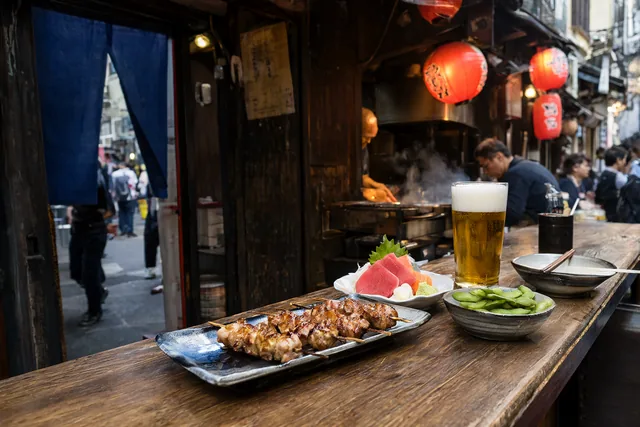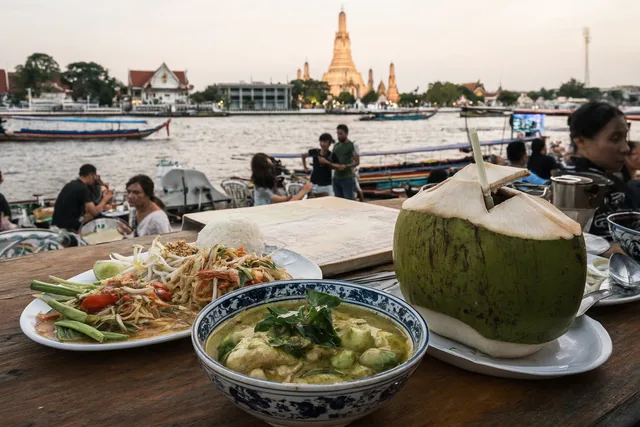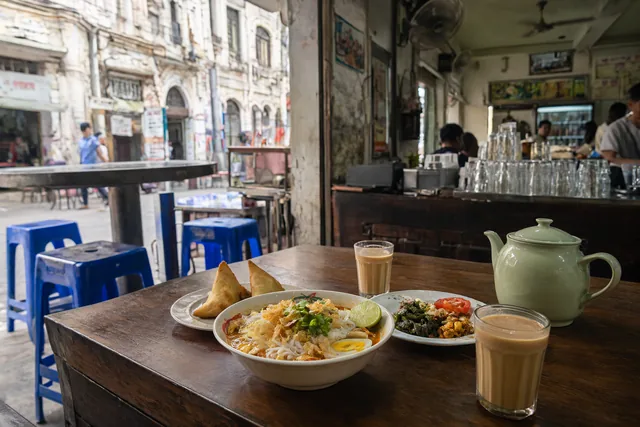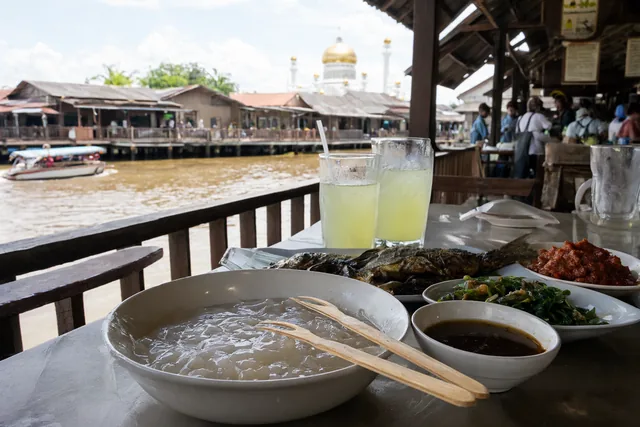
Korean food is generous, communal and full of flavour: chilli, garlic, sesame, fermented soybean and a table covered in small side dishes that refill for free. This South Korea food guide covers the dishes to know, the menu words that matter most, how tipping and paying in won work, and then goes city by city through where to eat in Seoul, Busan, Jeonju, Jeju, Gyeongju, Daegu, Gwangju and Sokcho. Many Korean restaurants specialise in one dish, often for decades, and the menu on the wall may only have five items. Find the street or market famous for a dish, and eat it there.
What to eat in South Korea: 12 dishes to know
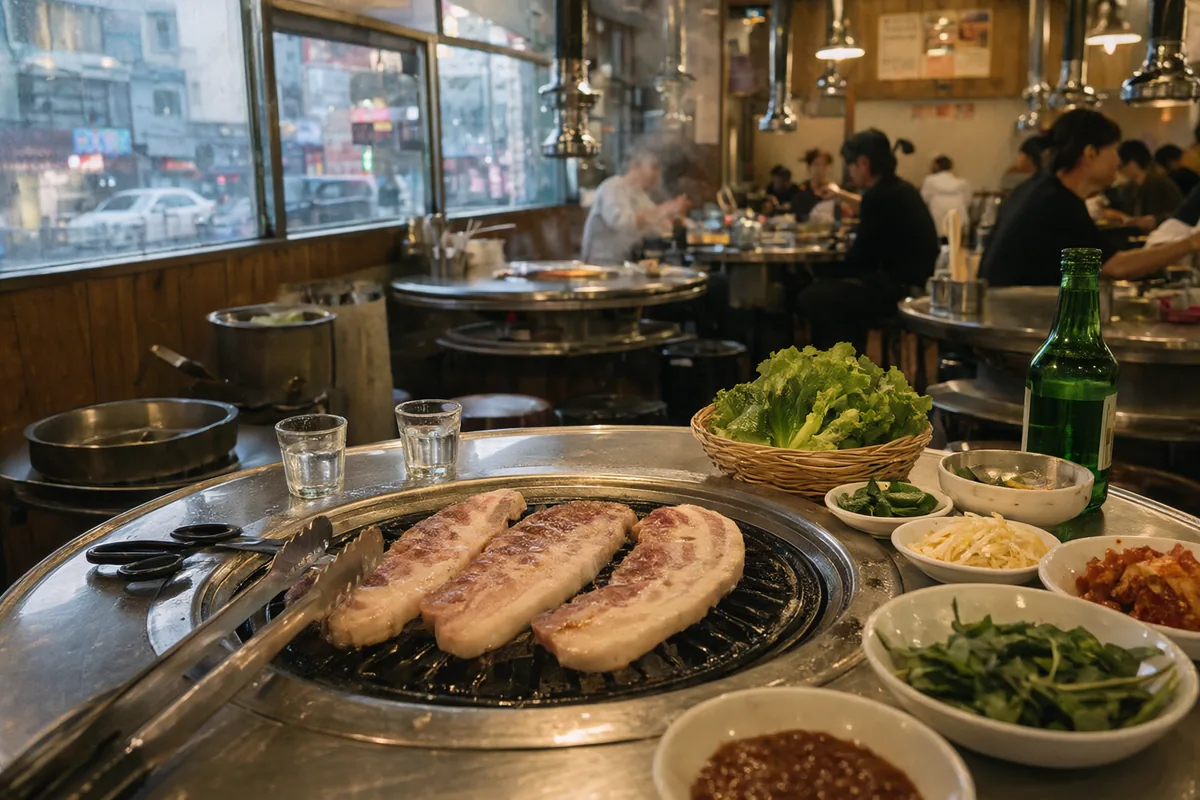
These are the dishes worth seeking out, with the city or region they belong to. Almost every meal comes with banchan, small free side dishes of kimchi, seasoned vegetables, fish cake or egg, which you can ask to have refilled.
- Samgyeopsal (everywhere): thick slices of pork belly grilled at your table, cut with scissors and wrapped in lettuce with garlic, chilli and ssamjang paste. The heart of Korean barbecue.
- Galbi and bulgogi (everywhere): marinated beef or pork short ribs (galbi) and thin slices of sweet soy-marinated beef (bulgogi), grilled at the table.
- Bibimbap (Jeonju): rice topped with seasoned vegetables, egg and often raw or cooked beef, mixed with chilli paste. Dolsot bibimbap comes in a sizzling stone pot that crisps the rice.
- Kimchi jjigae (everywhere): a bubbling stew of aged kimchi, pork and tofu, the everyday comfort food of Korea.
- Tteokbokki (everywhere, especially Seoul): chewy rice cakes simmered in a sweet and spicy red chilli sauce, sold from street stalls with fish cakes and fried snacks.
- Naengmyeon (everywhere, best in summer): cold buckwheat noodles, either in an icy beef broth (mul naengmyeon) or with spicy sauce (bibim naengmyeon).
- Samgyetang (everywhere): a whole young chicken stuffed with glutinous rice, garlic, jujube and ginseng, served in its broth. Koreans eat it on the hottest days of summer.
- Korean fried chicken (everywhere): double-fried and very crisp, plain or glazed in sweet chilli sauce, eaten with beer, a combination called chimaek.
- Dwaeji gukbap (Busan): pork and rice soup in a milky bone broth, seasoned at the table with salted shrimp and chives.
- Sundubu jjigae (everywhere): a spicy stew of very soft, silky tofu with seafood or pork, finished with a raw egg cracked in at the table.
- Gimbap (everywhere): rice and fillings rolled in seaweed and sliced, the standard picnic and train food.
- Hotteok (everywhere in winter): a pan-fried pancake filled with brown sugar, cinnamon and nuts. In Busan, it is split and stuffed with seeds.
How to read a Korean menu
Korean is written in Hangul, an alphabet of 24 letters grouped into syllable blocks, and it is far easier to learn than it looks: many travellers can sound out a menu after an afternoon of practice. For the full set of words, dish names and ordering customs, read our guide to how to read a Korean menu. These are the words you will see most often.
| Korean | Romanised | Meaning |
|---|---|---|
| 찌개 | jjigae | Thick stew, served bubbling |
| 탕 / 국 | tang / guk | Soup (탕 is usually a long-simmered soup, 국 a lighter one) |
| 구이 | gui | Grilled (생선구이 saengseon gui, grilled fish) |
| 볶음 | bokkeum | Stir-fried (제육볶음 jeyuk bokkeum, spicy pork) |
| 밥 / 면 | bap / myeon | Rice / noodles (공기밥 gonggibap is an extra bowl of rice) |
| 돼지 / 소 / 닭 | dwaeji / so / dak | Pork / beef / chicken |
| 인분 | inbun | Portion per person; barbecue is priced per portion, often with a two-portion minimum |
| 맵다 / 순한맛 | maepda / sunhanmat | Spicy / mild flavour |
| 정식 | jeongsik | Set meal with rice, soup and side dishes |
| 셀프 | selpeu | Self-service: water, side dish refills or rice from a station |
Korean menus often list only the dish name and price, with no description, and many restaurants now take orders on a table tablet or a kiosk by the door that may be in Korean only. Photograph the menu or the screen with swap.menu and every dish is explained in your language, including how spicy it is likely to be and whether a barbecue price is per portion.
Tipping, paying and meal times in South Korea
There is no tipping in South Korea, and nobody expects it in restaurants, cafés or taxis. Prices on menus include the 10 percent VAT, so the number you see is the number you pay at almost all ordinary restaurants. Hotel restaurants and some upmarket places add a service charge, usually 10 percent, and may show prices before tax and service. Our guide to tax and service charges on menus explains how these lines work around the world.
The currency is the South Korean won (KRW, written ₩ or 원). South Korea is one of the most card-friendly countries in the world, and cards are accepted almost everywhere, even for very small amounts. Traditional market stalls and street carts are the main exception, so carry some cash for those. When a card machine offers to charge you in your home currency, choose won: our guide to paying in local currency explains why.
The bill is usually brought to the table or placed there when you order, and you take it to the counter by the door to pay as you leave. To call a server, press the bell on the table if there is one, or say jeogiyo ("excuse me"). Water is free, often self-service from a dispenser, and so are banchan refills. Barbecue and some stew restaurants serve a minimum of two portions, which can make solo dining harder.
Koreans eat lunch early, from around 11:30am to 1pm, when offices empty and popular places fill up fast. Dinner is from about 6pm, and barbecue, fried chicken and drinking sessions run late into the evening. Many restaurants close for a "break time" in the afternoon, roughly 3pm to 5pm, and in the big cities you will always find somewhere open 24 hours.
Where to eat in South Korea, city by city
South Korea is small and the trains are fast, so it is easy to eat your way around it: the capital for variety, Busan for seafood, Jeonju for bibimbap, Jeju for black pork and the southwest for the biggest spreads of side dishes in the country. Jump to a city:
Where to eat in Seoul
Seoul is where most visitors start, and it has every Korean dish and a few thousand restaurants for each. The best introduction is Gwangjang Market in Jongno, one of the oldest markets in the country, where rows of stalls fry bindaetteok (crisp mung bean pancakes), roll small mayak gimbap, serve yukhoe (seasoned raw beef) and ladle out hand-cut noodle soup. Noryangjin Fish Market lets you pick live seafood downstairs and have it sliced or cooked at a restaurant upstairs. For tteokbokki, go to Sindang-dong, where a whole street serves it in pans cooked at your table, and for barbecue, the alleys around Mapo and Gongdeok are full of grills.
In the evening, the old printing district of Euljiro has beer halls spilling onto the street with grilled dried pollack, and the tented street bars called pojangmacha around Jongno serve soju and snacks late. Ikseon-dong has cafés and small restaurants in old hanok houses, Hongdae and Yeonnam-dong are where students and young Seoul residents eat, and Itaewon has the widest range of international food. Myeongdong street food stalls are fun but priced for visitors; Mangwon Market is more local. Seoul's palace districts are also good for hanjeongsik, a full Korean table d'hôte of many dishes.
Where to eat in Busan
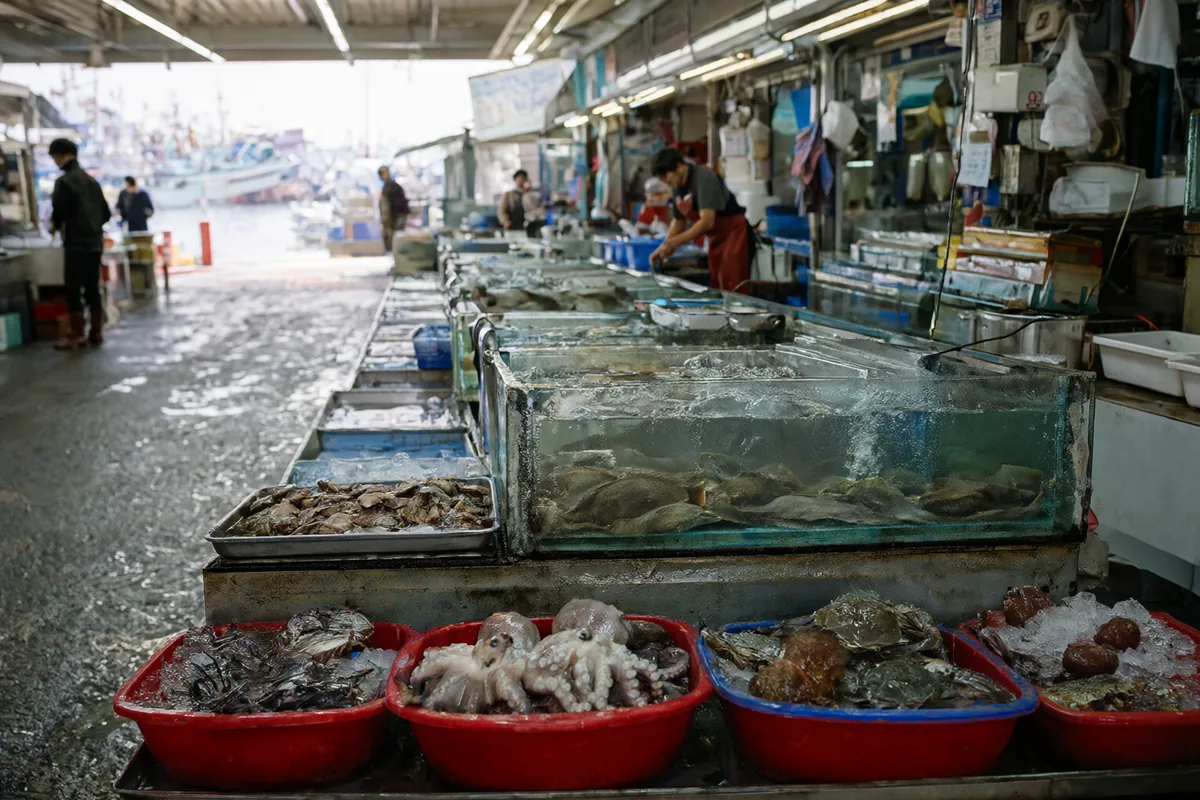
Busan is South Korea's second city and its biggest port, and seafood rules. Jagalchi Fish Market, on the waterfront in Nampo-dong, is the largest seafood market in the country: choose from the tanks on the ground floor and eat it as hoe (sliced raw fish) with lettuce and chilli paste, or grilled and in spicy fish stew upstairs. Busan's other great dishes are dwaeji gukbap, the milky pork and rice soup eaten at any hour, and milmyeon, cold wheat noodles created by refugees during the Korean War when buckwheat was scarce. Busan is also famous for eomuk, fish cake, sold on skewers in hot broth.
Next to Jagalchi, Gukje Market and BIFF Square are the place for street food, including ssiat hotteok, sweet pancakes stuffed with sunflower and pumpkin seeds. Around Gwangalli beach, raw fish restaurants look across the water at the lit-up bridge, and Haeundae Market, a short lane near the beach, has cheap seafood, grilled eel and tteokbokki. A short trip north, the harbour town of Gijang is known for king crab and snow crab, and its market sells them by weight. In any Busan seafood restaurant, ask the price per kilo and see the weight before you agree.
Where to eat in Jeonju
Jeonju, about 90 minutes south of Seoul by train, is named a UNESCO City of Gastronomy and is the spiritual home of bibimbap. Jeonju bibimbap is made with rice cooked in beef broth, topped with more than a dozen vegetables, raw beef and a raw egg yolk, and served in a brass bowl. The city's other great dish is kongnamul gukbap, a cheap soybean sprout and rice soup served with a soft egg, a breakfast that locals swear by after a night of drinking.
The Jeonju Hanok Village, with hundreds of traditional tiled-roof houses, is lined with street food: grilled skewers, giant dumplings, rice cake skewers and fried snacks. For something more local, the Nambu Market holds a night market on Friday and Saturday evenings, and its morning stalls serve kongnamul gukbap. Jeonju is also known for its makgeolli houses in the Samcheon-dong and Seosin-dong neighbourhoods, where each kettle of milky rice wine you order brings out a fresh round of side dishes, so the table keeps growing as the evening goes on. Jeonju is easy as a day trip, but stay the night to try a makgeolli house.
Where to eat in Jeju
Jeju is a volcanic island off the south coast and Korea's favourite holiday destination, with a food culture of its own. The island's star is heuk dwaeji, Jeju black pork, a local breed grilled thick over charcoal and dipped in a salted anchovy sauce called meljeot. Jeju City has a black pork street lined with barbecue restaurants. Other Jeju dishes include gogi guksu (pork noodle soup), momguk (pork broth thickened with seaweed), galchi jorim (spicy braised hairtail fish) and grilled okdom, tilefish.
Jeju is also the home of the haenyeo, the women divers who harvest abalone, sea urchin, conch and octopus by breath-hold diving. Around the coast, look for seafood restaurants run by divers' cooperatives and for jeonbokjuk, rice porridge with abalone, a classic Jeju breakfast. The Dongmun Market in Jeju City has a night market of grilled and fried snacks, and the Seogwipo Maeil Olle Market in the south is a covered market with fresh fish and street food. Finish with something made from hallabong, the large, sweet Jeju citrus, sold as juice, chocolate and ice cream everywhere.
Where to eat in Gyeongju
Gyeongju was the capital of the Silla kingdom for nearly a thousand years, and today it is a quiet city of royal tombs, temples and grassy burial mounds. Its best-known food is Gyeongju-ppang, a small round pastry filled with sweet red bean paste, sold in boxes from bakeries all over town, and chalboribbang, two soft barley pancakes sandwiching red bean. The streets near the Daereungwon tomb complex are known for ssambap restaurants, where a large set of leaves, side dishes, grilled meat and fish arrives for you to wrap with rice.
Hwangnidan-gil, a street of renovated hanok near the tombs, is where Gyeongju's cafés, bakeries and newer restaurants are, and it is busy at weekends. The nearby Gyochon traditional village is linked to Gyodong beopju, a clear rice liquor brewed by the same family for centuries. Gyeongju is also good for hanu, Korean beef, from the surrounding farmland. Many restaurants in Gyeongju close early compared with Seoul, so plan dinner before 8pm.
Where to eat in Daegu
Daegu, in the hot inland southeast, is known for bold, spicy food and very hot summers. The city's signature is makchang, grilled pork or beef intestine, eaten with a fermented soybean dipping sauce, and Daegu has whole streets of grill restaurants devoted to it. The Anjirang Gopchang Alley is lined with places serving grilled pork intestines and is one of the cheapest nights out in the city. Dongin-dong jjimgalbi, beef short ribs braised in a fiery chilli and garlic sauce and served in dented aluminium bowls, has its own alley near the city centre.
Daegu also gives its name to ttaro gukbap, beef soup with the rice served separately, and is known for napjak mandu, flat, thin dumplings. Korean fried chicken has strong roots in Daegu, which holds a big chicken and beer festival each summer. The Seomun Market, one of the largest traditional markets in Korea, runs a night market with food stalls, and the market's daytime alleys serve kalguksu (knife-cut noodles) and fried snacks. Daegu sees fewer foreign visitors than Seoul or Busan, and menus are often only in Korean.
Where to eat in Gwangju
Gwangju is the main city of the Jeolla region in the southwest, which Koreans consider the country's best for food. Jeolla cooking is known for the sheer number of side dishes: an ordinary set meal in Gwangju can arrive with a dozen or more banchan, often including fermented seafood and greens you will not see in Seoul. The city's best-known dish is tteokgalbi, minced short rib patties grilled until caramelised, and the area around the old Songjeong station has a street of tteokgalbi restaurants.
Gwangju is also known for oritang, a hearty duck soup thickened with ground perilla seed and loaded with greens. Yangdong Market is the largest traditional market in the region, good for fermented seafood, rice cakes and cheap lunch counters, and the 1913 Songjeong Station Market, next to the high-speed rail station, is a renovated old market with snack stalls and small restaurants. Gwangju holds a kimchi festival in autumn, a sign of how seriously it takes fermenting. The wider region is famous for hongeo, fermented skate, with an ammonia smell that even many Koreans find too strong.
Where to eat in Sokcho
Sokcho is a fishing port on the northeast coast and the gateway to Seoraksan National Park, and it has a food culture shaped by refugees from the north who settled here during the Korean War. In Abai Village, a sandbar neighbourhood reached by a small hand-pulled ferry or a bridge, restaurants serve ojingeo sundae, squid stuffed with rice, vegetables and tofu, then sliced and pan-fried in egg, and abai sundae, a northern-style blood sausage. Sokcho is also a good place for Hamheung naengmyeon, chewy cold noodles with spicy raw fish.
The Sokcho Tourist and Fishery Market in the centre is famous across Korea for dakgangjeong, crisp fried chicken coated in a sticky sweet and spicy sauce, often bought in boxes to take on the bus home. At Daepo Port, south of the centre, stalls sell fresh raw fish, grilled shellfish and fried shrimp, and in summer the seafood restaurants in Sokcho serve mulhoe, sliced raw fish in an icy, spicy, sweet broth. Combine a hike in Seoraksan with a seafood lunch in Sokcho for one of the best days out on the east coast.
Vegetarian, vegan and allergy tips
South Korea can be difficult for vegetarians. Meat or seafood is in many dishes that look vegetable-based: soups and stews are often made with anchovy (myeolchi) or beef stock, most kimchi contains fermented fish sauce or salted shrimp, and even bibimbap may come with minced beef in the chilli paste. The word for vegetarian is chaesikjuuija (채식주의자), and it helps to add "no meat, no fish, no fish sauce". Korean Buddhist temple food, sachal eumsik (사찰음식), is fully plant-based and also avoids garlic and onion. Seoul has a growing number of vegan restaurants, especially around Itaewon, Hongdae and Seongsu.
Buckwheat is in naengmyeon noodles and some pancakes, and it is a significant allergen. Wheat is in soy sauce, chilli paste (gochujang often includes wheat or barley) and most batters, which makes gluten-free eating hard. Sesame oil and seeds are on almost everything, and shellfish appears in stews, pancakes and fermented sauces. Our guide to eating abroad with food allergies explains how to explain an allergy clearly.
Useful Korean phrases for ordering
안녕하세요 Annyeonghaseyo: "Hello", polite and used all day
저기요 Jeogiyo: "Excuse me", to call a server
두 명이요 Du myeong-iyo: "Two people"
이거 주세요 Igeo juseyo: "This one, please" (pointing)
안 맵게 해 주세요 An maepge hae juseyo: "Please make it not spicy"
고기 빼 주세요 Gogi ppae juseyo: "Please leave out the meat"
계산해 주세요 Gyesanhae juseyo: "The bill, please"
잘 먹었습니다 Jal meogeotseumnida: "I ate well", said as you leave, like "thank you for the meal"
How swap.menu helps you eat in South Korea
Korean menus are short but tricky: a board of names like gamjatang, budae jjigae or gopchang jeongol tells you nothing unless you already know that the first is a pork backbone stew, the second an army-base stew with sausage and ramen noodles, and the third an offal hotpot. Photograph it with swap.menu and every dish appears in your language with the Hangul beside it and a short explanation of what it is and how spicy it tends to be. Prices are converted from won to your home currency, and we note when a barbecue price is per person or comes with a two-portion minimum.
Tap the dishes you want, add a note such as "not spicy" or "no seafood", typed or spoken, and swap.menu translates your order into polite Korean. Show the server your phone, or let them scan the QR code and read your order on their own screen. You can try it right now on a sample menu with the free demo, or see travel pass prices.
Off to South Korea? Your first 3 menu scans are free, and a travel pass starts from $4.99 with nothing that renews.
Start free with 3 scansSouth Korea food FAQ
Do you tip in restaurants in South Korea?
No. Tipping is not expected anywhere in South Korea, and menu prices already include VAT. Some hotel and upmarket restaurants add a service charge, which will be shown on the bill.
What food is South Korea most famous for?
Korean barbecue, kimchi, bibimbap, kimchi stew, tteokbokki, Korean fried chicken and cold naengmyeon noodles. Regional dishes such as Busan's pork soup, Jeonju's bibimbap and Jeju's black pork are just as important.
Is South Korea expensive to eat out?
Everyday food is good value. Stews, noodle soups, gimbap and set meals are cheap, and free side dishes and water make meals go further. Korean beef barbecue and high-end restaurants in Seoul can be expensive.
Which city in South Korea is best for food?
Seoul has the greatest variety, Busan is best for seafood, Jeonju is famous for bibimbap and makgeolli houses, and Gwangju and the Jeolla region serve the biggest spreads of side dishes. Each city in this guide has its own section on where to eat.
Can I eat alone at a Korean barbecue restaurant?
Sometimes. Many barbecue and stew restaurants require a minimum of two portions per order, but more places now welcome solo diners, and you can always order two portions for yourself. Noodle shops, gimbap restaurants and set meal places are easy for one.
How can I read a Korean menu if I do not speak Korean?
Hangul is quick to learn, and a few words like jjigae, gui and bap go a long way. You can also photograph the menu with swap.menu, which translates every dish into your language, explains it, converts prices from won and translates your order into Korean for the staff.
Planning more of your trip? Read our Korean menu guide and food guides for nearby countries:
- How to read a Korean menu
- Japan food guide
- China food guide
- Taiwan food guide
- Hong Kong food guide
- Mongolia food guide
Or browse every travel food guide.