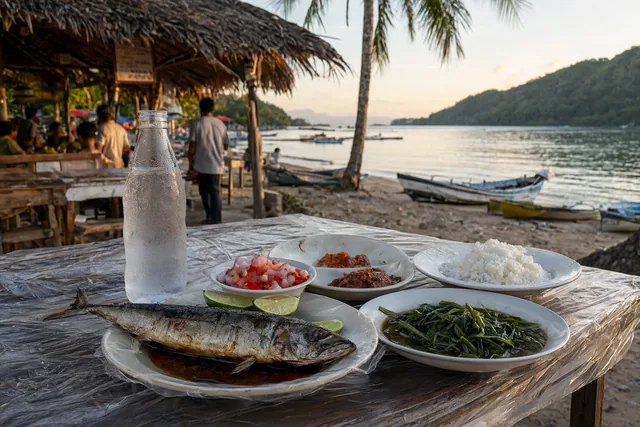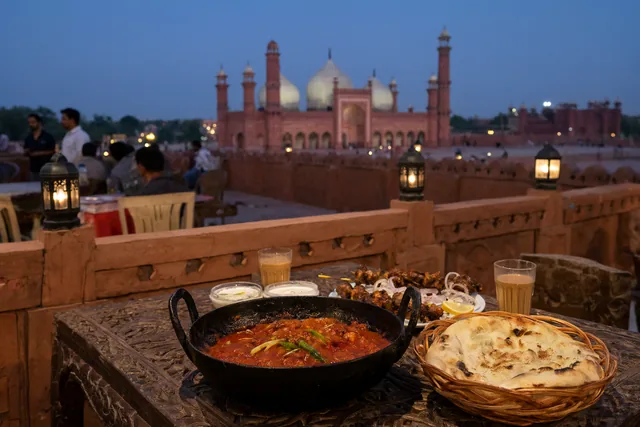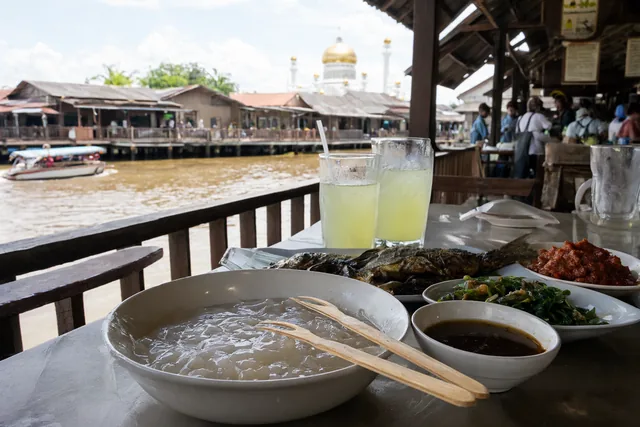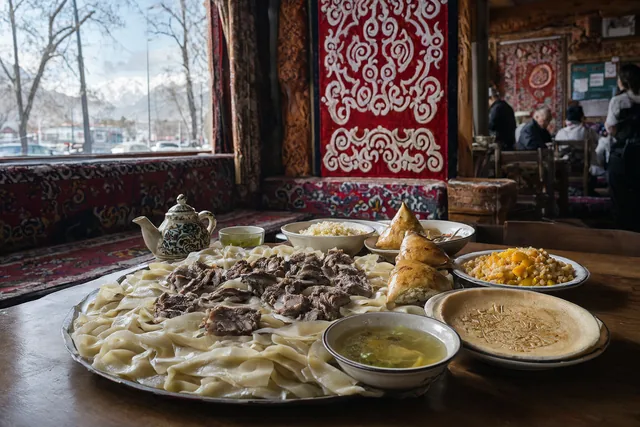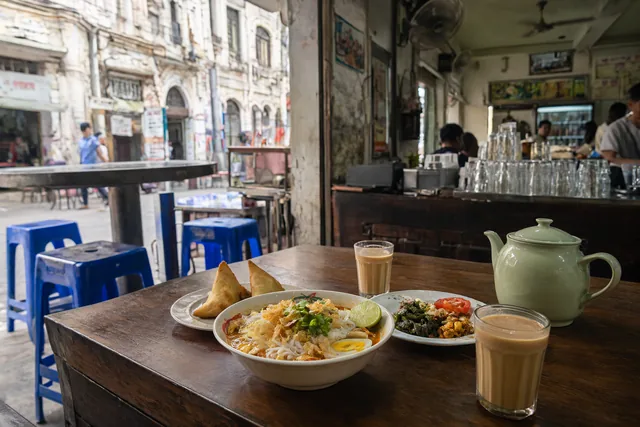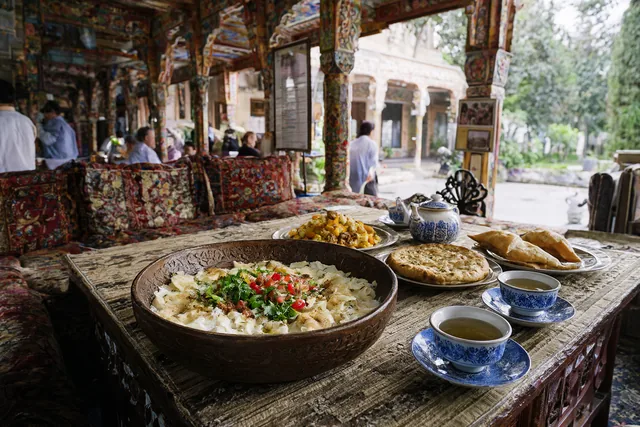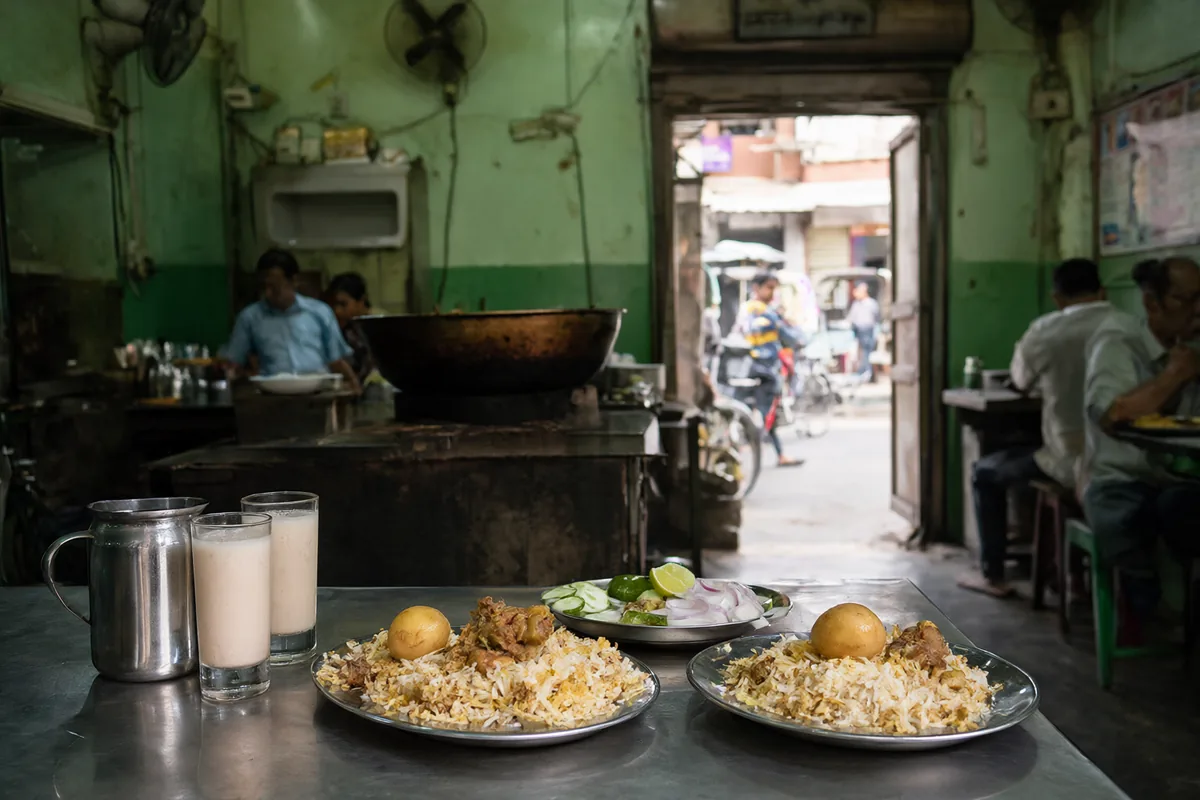
Bangladesh is a country of rivers, rice and fish, and its food is some of the most underrated in Asia: mustard-laced hilsa, slow-cooked beef curries, Mughal-style biryani in Old Dhaka, a dozen kinds of mashed bhorta and a sweet tradition that rivals any in the world. This Bangladesh food guide covers the dishes to know, how to read a Bengali menu, how tipping and paying in taka work, and then goes city by city through where to eat in Dhaka, Chittagong, Sylhet, Cox's Bazar, Khulna and Rajshahi. Bangladeshi hospitality is famous: expect to be offered tea constantly, and to be urged to eat more than you can.
What to eat in Bangladesh: 12 dishes to know
These are the dishes worth seeking out, with the city or region they belong to. A Bengali meal is built around rice (bhat), with fish, meat, lentils and vegetables served alongside, and it is traditionally eaten with the right hand.
- Shorshe ilish (everywhere): hilsa, the national fish, cooked in a sharp mustard paste with green chilli and mustard oil. Hilsa is bony but prized, and best in the monsoon season.
- Kacchi biryani (Old Dhaka): mutton or goat layered raw with rice, potatoes and spices and cooked slowly in a sealed pot. Served with borhani, a spiced, minty yoghurt drink.
- Morog polao (Dhaka): fragrant rice cooked with chicken, ghee and whole spices, a wedding and festival favourite.
- Mezbani mangsho (Chittagong): a rich, spicy beef curry made for the large community feasts called mezban, now served in restaurants too.
- Kala bhuna (Chittagong): beef slow-fried with spices until almost black and very tender.
- Bhorta (everywhere): mashed dishes of potato, aubergine, dried fish, lentils or greens with mustard oil, onion and chilli, eaten with rice. A restaurant may offer ten or more.
- Dal (everywhere): lentils, from thin and soupy to thick, served with almost every rice meal.
- Chingri malai curry (Khulna and the south): large prawns cooked in a mild, sweet coconut milk sauce.
- Fuchka and chotpoti (everywhere, especially Dhaka): crisp hollow shells filled with spiced chickpeas and potato and dipped in tamarind water, and a warm chickpea and potato salad with egg and tamarind.
- Haleem (Dhaka and everywhere in Ramadan): a thick, slow-cooked stew of lentils, wheat and meat.
- Pitha (everywhere in winter): rice cakes, steamed, fried or baked, often with date palm jaggery and coconut, sold from roadside stalls on cold mornings.
- Mishti (everywhere): Bengali sweets, including roshogolla (soft cheese balls in syrup), chomchom, sandesh and mishti doi, sweet yoghurt set in clay pots.
Everywhere you go you will find cha, strong milky tea, sold from tiny roadside stalls with biscuits, and in Ramadan, the evening iftar snacks of piyaju (lentil fritters), beguni (aubergine fritters) and chickpeas.
How to read a Bengali menu
Bangla (Bengali) has its own script, and while many city restaurants print menus in English, local eateries often write theirs only in Bengali or have no menu at all. Dish names usually combine an ingredient and a style of cooking, such as murgi bhuna (dry-fried chicken curry) or machh bhaji (fried fish). These are the words you will see most often.
| Bengali | Romanised | Meaning |
|---|---|---|
| ভাত | bhat | Cooked rice, and a rice meal |
| পোলাও | polao | Fragrant rice cooked with ghee and spices |
| মাছ | machh | Fish |
| মাংস | mangsho | Meat |
| মুরগি / গরু / খাসি | murgi / goru / khashi | Chicken / beef / goat or mutton |
| চিংড়ি | chingri | Prawn |
| ডাল | dal | Lentils |
| ভর্তা | bhorta | Mashed dish with mustard oil and chilli |
| ভাজি | bhaji | Fried, or a dry vegetable fry |
| ভুনা | bhuna | Slow-fried in spices, a thick curry |
| ঝোল | jhol | A thin, light curry |
| ঝাল | jhal | Spicy, hot |
| মিষ্টি | mishti | Sweet, or a sweet dish |
In small Bangladeshi restaurants, the waiter often recites the dishes of the day rather than showing a menu, or points to a board in Bengali script. Photograph the board with swap.menu and every dish is translated and explained in your language with prices converted from taka, so you can tell the beef from the goat and the bhuna from the jhol.
Tipping, paying and meal times in Bangladesh
Tipping is not compulsory in Bangladesh, but it is customary to leave a small tip in sit-down restaurants, and around 5 to 10 percent in upmarket restaurants in Dhaka and Chittagong. Street stalls and tea stalls do not expect tips. Many restaurants add VAT to the bill, and hotel and upmarket restaurants also add a service charge, so check the bottom of the bill before adding a tip. Our guide to tax and service charges on menus explains how these lines work.
The currency is the Bangladeshi taka (BDT, written ৳ or Tk). Most of the country runs on cash, and locals pay with mobile money apps that need a local account. Cards are accepted at large hotels, supermarkets, malls and better restaurants in the big cities. ATMs that take foreign cards are common in Dhaka and Chittagong, less so elsewhere. When a card machine offers to charge you in your home currency, choose taka: our guide to paying in local currency explains why. Carry small notes for rickshaws, tea and street food.
Bangladeshis eat late. Lunch is often from 1pm to 3pm and dinner from around 9pm, sometimes later. Restaurants have a sink for washing your hands before and after eating, since most people eat with their right hand. During Ramadan, many restaurants close or screen off their dining rooms during the day, and the evening iftar markets are a highlight. Alcohol is restricted and available mainly in a few large hotels and licensed clubs.
Where to eat in Bangladesh, city by city
From Mughal biryani in Dhaka and beef feasts in Chittagong to tea gardens in Sylhet and seafood on the world's longest natural beach, each part of Bangladesh has its own dishes. Jump to a city:
Where to eat in Dhaka
Dhaka, the capital, is one of the most densely populated cities on earth, and it has two food worlds. Old Dhaka (Puran Dhaka), the historic city along the Buriganga river, was a Mughal provincial capital, and its food is rich and meaty: kacchi biryani, morog polao, tehari (beef and rice cooked in mustard oil), kebabs and bakarkhani, a crisp, layered flatbread eaten with tea. The narrow lanes around Nazira Bazar, Lalbagh and Chawkbazar are the place to eat it. During Ramadan, Chawkbazar holds Dhaka's most famous iftar market, with whole roast chickens, kebabs, haleem and sweets piled high in the late afternoon.
In the newer north of the city, Dhanmondi, Gulshan and Banani have cafés, modern Bangladeshi restaurants and international food, and the area around Dhanmondi Lake and Dhaka University has evening stalls selling fuchka, chotpoti and jhalmuri (spiced puffed rice). Karwan Bazar is the city's huge wholesale market for fish and produce, best seen in the early morning. Dhaka traffic is notoriously slow, so plan meals near where you are staying, and visit Old Dhaka in the morning or late afternoon when it is cooler.
Where to eat in Chittagong
Chittagong (officially Chattogram), Bangladesh's second city and main port, is famous at home for one thing above all: beef. Mezbani mangsho, the spicy beef curry cooked in huge pots for community feasts, is a matter of local pride, and Chittagong restaurants serve it every day with rice and lentils. Kala bhuna, dark, dry-fried beef, is the other signature dish, and the city's cooks use more chilli, garlic and dried fish (shutki) than those in Dhaka.
The Reazuddin Bazar is the old commercial market, crowded and full of spice and dried goods sellers, and the waterfront at Patenga beach, near the mouth of the Karnaphuli river, has evening stalls frying crab, prawns and fish. Chittagong is also the gateway to the Chittagong Hill Tracts, where the food of the hill peoples, such as bamboo shoot curries and chicken cooked in bamboo tubes, is very different from lowland Bengali cooking. Chittagong has a strong local dialect, and food names on menus may differ from those in Dhaka.
Where to eat in Sylhet
Sylhet, in the green northeast, is the heart of Bangladesh's tea country, and a large share of the restaurants that served "Indian" curry in Britain were opened by people from this region. The local speciality is shatkora, a bitter, fragrant citrus whose rind is cooked with beef or fish, and Sylhet also has akhni, a spiced rice dish cooked with meat, similar to pulao. Sylheti cooking uses plenty of freshwater fish from the region's wetlands, the haors.
Near Sylhet, the town of Sreemangal is surrounded by tea estates, and its tea stalls are known for seven-layer tea, a glass of tea poured in distinct coloured layers. The tea gardens around Sylhet and Sreemangal are pleasant to walk through, and many stalls sell fresh local tea to take home. In Sylhet city, the streets around the shrine of Hazrat Shah Jalal and the central Zindabazar area have restaurants and sweet shops. Sylhet is green, wet and cooler than Dhaka in winter, and a good escape from the capital.
Where to eat in Cox's Bazar
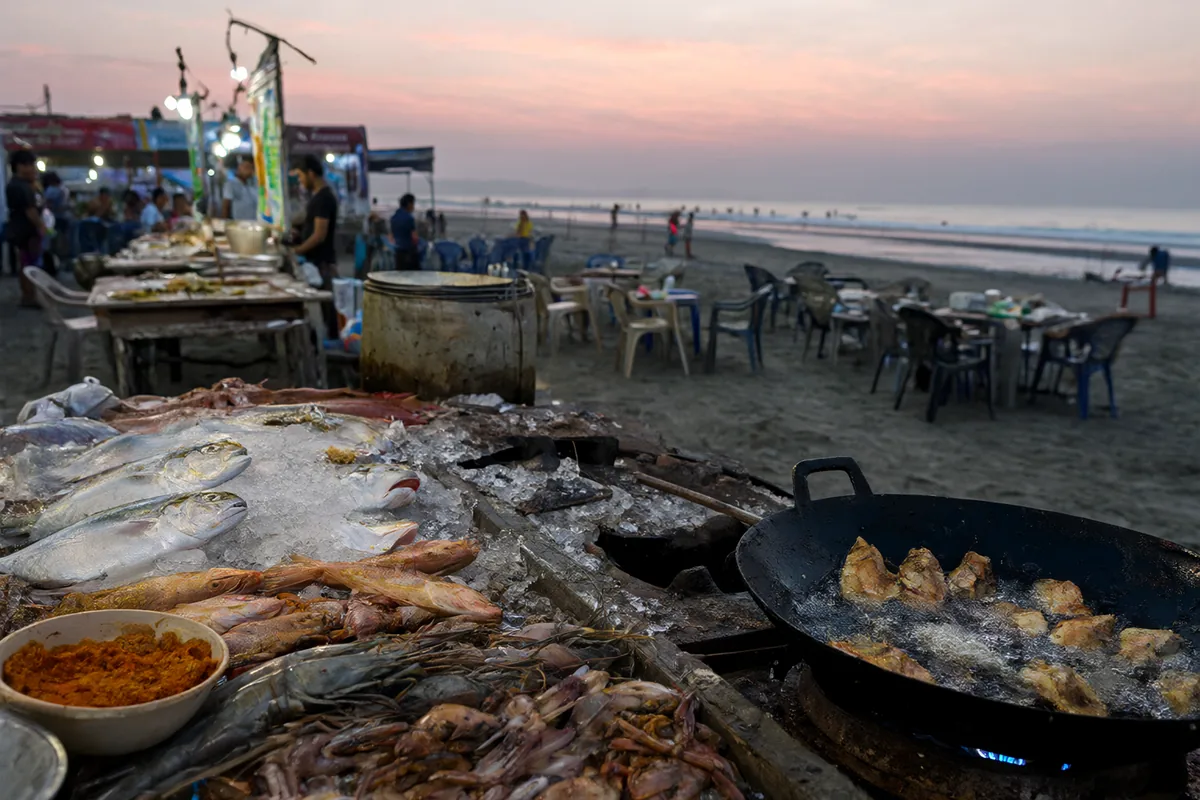
Cox's Bazar, in the far southeast, has the longest natural sea beach in the world, and it is where Bangladeshis go on holiday. The food is seafood: rupchanda (pomfret), loitta (Bombay duck) fried crisp, crab, lobster, prawns and big fish fries. Along the beach, especially around the Kolatoli and Sugandha areas, stalls display the day's catch on ice in the evening, and you choose it and have it fried or grilled on the spot with spice paste.
Cox's Bazar is also the country's centre for shutki, dried fish, laid out to dry on bamboo racks along the coast and sold in markets, and shutki bhorta (mashed dried fish with chilli) is the dish locals take home. The town's Burmese market, run by the local Rakhine community, sells pickles, snacks and goods from across the border. Hotels along the beach in Cox's Bazar serve Bangladeshi and international food, but the beach stalls are the place for seafood. Agree the price of fish before it is cooked, as it is priced by size or weight.
Where to eat in Khulna
Khulna, in the southwest, is the gateway to the Sundarbans, the world's largest mangrove forest, and the centre of the country's prawn farming region. Its best-known dish is chui jhal, beef or mutton cooked with the stems of the chui plant, a vine related to pepper that gives a hot, aromatic bite. Khulna is also the place for golda chingri, giant freshwater prawns, cooked as chingri malai curry in coconut milk or simply fried with spices.
The Sundarbans produce prized wild honey, collected from the forest in spring, and you will find it in markets in Khulna. In winter, the region around Khulna and nearby Jessore is known for khejur gur, jaggery made from date palm sap, which goes into pitha and sweets. Many visitors to Khulna eat most of their meals on Sundarbans boat trips, where cooks on board serve fish, prawns, rice and dal. In the city, local restaurants serve chui jhal at lunch, and it often sells out.
Where to eat in Rajshahi
Rajshahi, on the Padma river near the Indian border in the northwest, is a calm, leafy city known for silk and, above all, mangoes. Rajshahi and neighbouring Chapainawabganj grow some of the country's best varieties, and from around May to July the markets are full of them. The local everyday dish is kalai roti, a thick flatbread made from black gram (urad) and rice flour, cooked on a clay griddle and eaten with chilli bhorta, mashed aubergine or beef curry, sold at roadside stalls in the evening.
The Rajshahi region is also known for sweets. The town of Natore, nearby, is famous for kacha golla, a soft sweet of fresh cheese and sugar, and Bogura, a few hours east, for doi, sweet yoghurt set in clay pots. The Padma riverbank in Rajshahi is a pleasant place for an evening walk, with snack stalls selling fuchka, tea and roasted peanuts. Rajshahi sees few foreign visitors, so expect curiosity, friendly questions and menus in Bengali.
Vegetarian, vegan and allergy tips
Bangladesh is a mostly Muslim country where meat and fish are central to any meal, but vegetarians can eat well: dal, bhorta of potato, aubergine and greens, vegetable bhaji, khichuri (rice and lentils cooked together), rice and flatbreads are everywhere. Hindu communities have a long vegetarian tradition, and sweet shops are largely vegetarian. Watch for fish: many vegetable dishes and bhorta are made with dried fish or small fish, and dal may be cooked with fish heads. The phrase to use is ami mangsho machh khai na, "I don't eat meat or fish". The word for vegetarian is niramish (নিরামিষ).
Mustard and mustard oil are in a huge number of dishes, which matters for anyone with a mustard allergy. Ghee and dairy appear in rice dishes and sweets, and peanuts in street snacks such as jhalmuri. Wheat is in flatbreads and some sweets. Our guide to eating abroad with food allergies explains how to explain an allergy clearly.
Useful Bengali phrases for ordering
আসসালামু আলাইকুম Assalamu alaikum: "Peace be upon you", the usual greeting (Hindus say নমস্কার, nomoshkar)
কী কী আছে? Ki ki achhe?: "What do you have?"
এটা দিন Eta din: "Give me this one, please" (pointing)
ঝাল কম দিবেন Jhal kom diben: "Make it less spicy, please"
আমি মাংস খাই না Ami mangsho khai na: "I don't eat meat"
কত হলো? Koto holo?: "How much is it?"
বিলটা দিন Bilta din: "The bill, please"
খুব মজা হয়েছে, ধন্যবাদ Khub moja hoyechhe, dhonnobad: "That was delicious, thank you"
How swap.menu helps you eat in Bangladesh
Bangladeshi menus, when there are menus, often list dishes in Bengali script or in English spellings that give little away. Photograph one with swap.menu and every dish appears in your language with the Bengali name beside it and a short explanation, so you know that tehari is beef rice cooked in mustard oil, that shutki bhorta is mashed dried fish, and that khashir rezala is a rich, mild mutton curry. Every price is converted from taka to your home currency, and VAT and service charge lines are explained.
Tap the dishes you want, add a note such as "less spicy" or "no mustard", typed or spoken, and swap.menu translates your order into Bengali. Show the waiter your phone, or let them scan the QR code and read your order on their own screen. You can try it right now on a sample menu with the free demo, or see travel pass prices.
Off to Bangladesh? Your first 3 menu scans are free, and a travel pass starts from $4.99 with nothing that renews.
Start free with 3 scansBangladesh food FAQ
Do you tip in restaurants in Bangladesh?
Tipping is not compulsory, but a small tip in sit-down restaurants is customary, and around 5 to 10 percent in upmarket places. Check the bill first, as some restaurants add a service charge as well as VAT.
What food is Bangladesh most famous for?
Hilsa fish in mustard, kacchi biryani from Old Dhaka, beef curries from Chittagong, bhorta mashed dishes, fuchka street snacks and Bengali sweets such as roshogolla and mishti doi.
Is Bangladesh expensive to eat out?
No, local food is very cheap. A rice meal with fish or meat at a local restaurant costs very little, and street snacks and tea cost even less. Upmarket restaurants in Gulshan and Banani in Dhaka charge international prices.
Which city in Bangladesh is best for food?
Dhaka, especially Old Dhaka, is best for biryani and Mughal-style dishes, Chittagong for beef curries, Cox's Bazar for seafood and Sylhet for tea. Each city in this guide has its own section on where to eat.
Is tap water safe to drink in Bangladesh?
No, drink bottled or properly filtered water, and check that bottles are sealed. Be careful with ice and raw salads at street stalls, and choose busy places where food is cooked fresh.
How can I read a Bengali menu?
Learn a few words like bhat, machh, mangsho and bhuna, or photograph the menu with swap.menu. It translates every dish into your language, explains what it is, converts prices from taka and translates your order into Bengali for the staff.
Travelling further in South Asia? Read our food guides for nearby countries:
- India food guide
- Nepal food guide
- Bhutan food guide
- Myanmar food guide
- Sri Lanka food guide
- Pakistan food guide
Or browse every travel food guide.