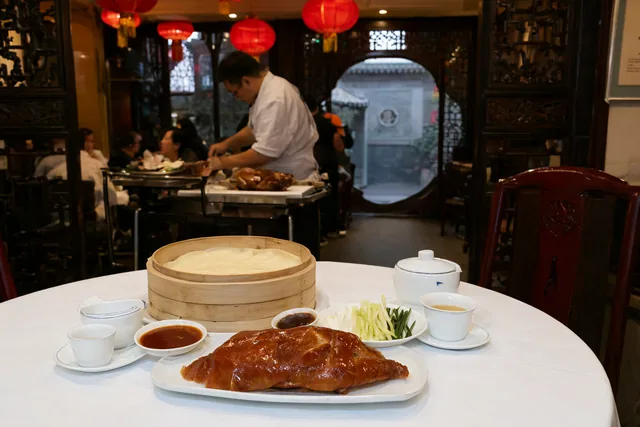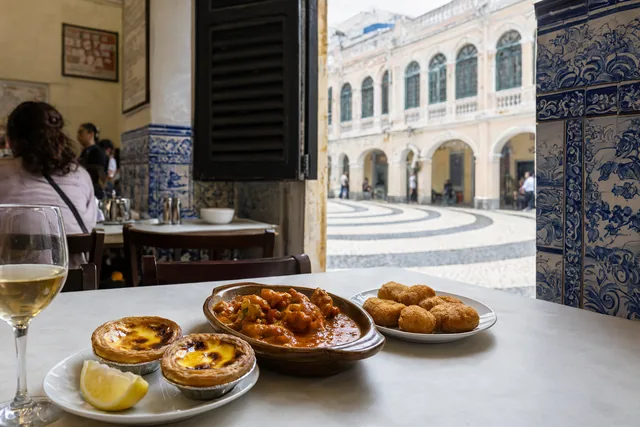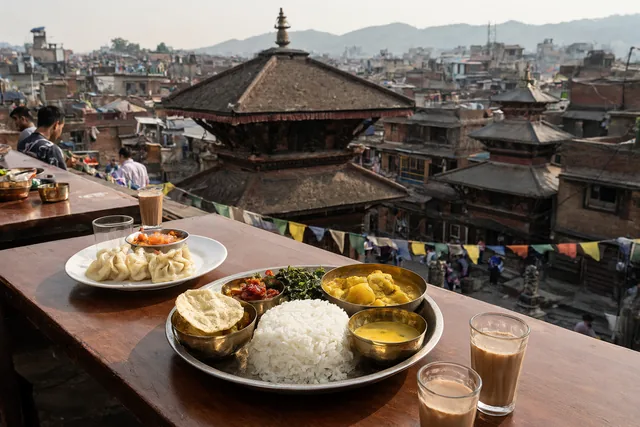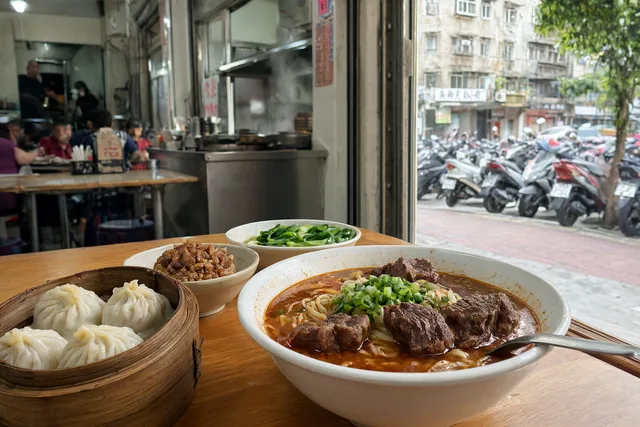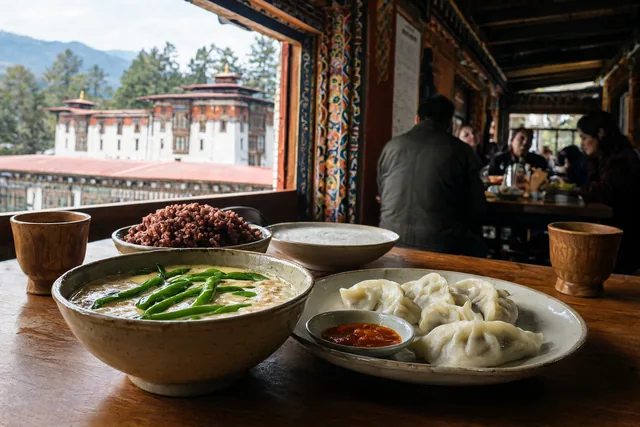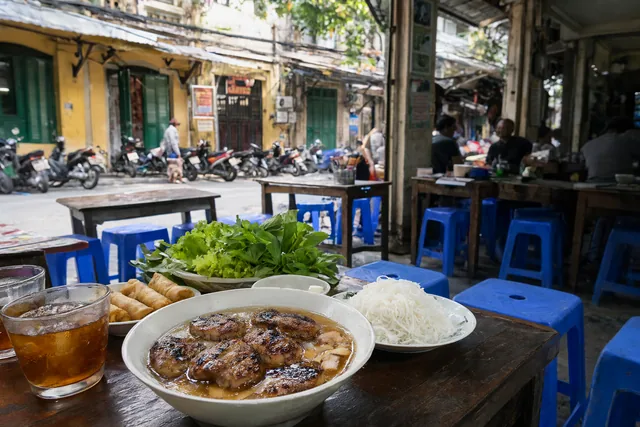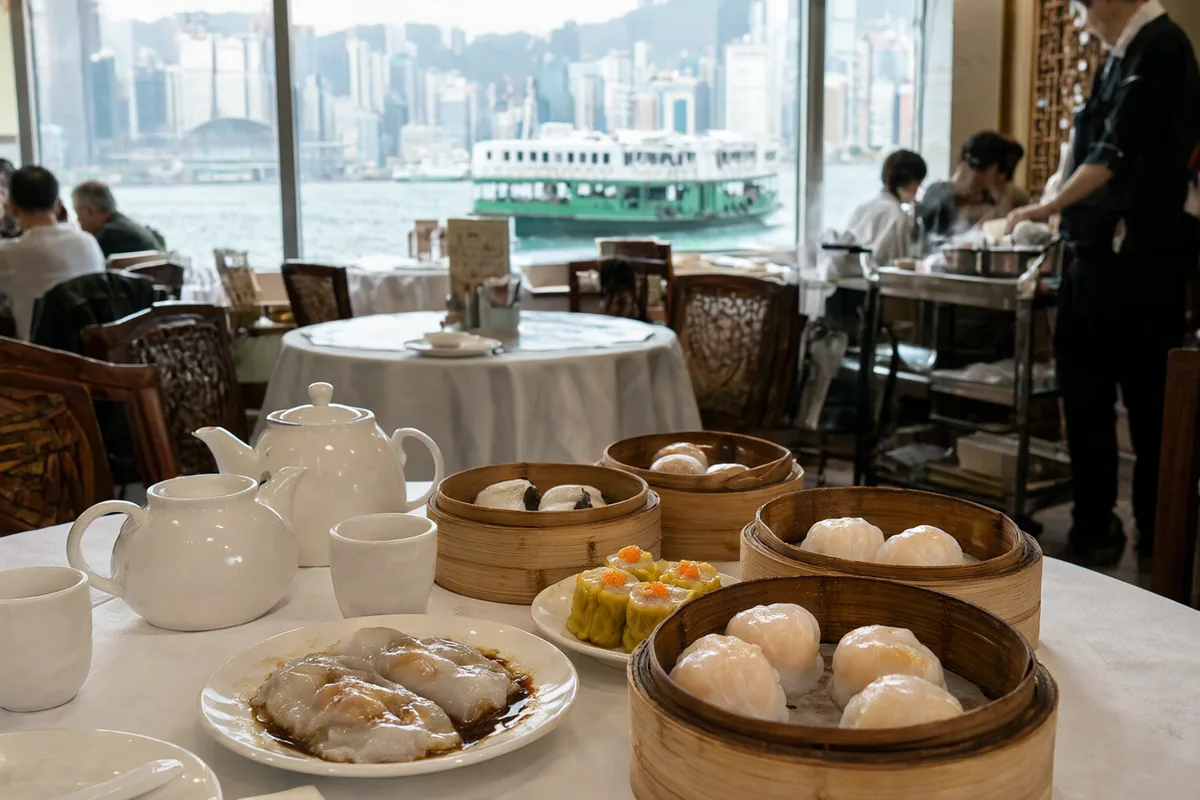
Hong Kong packs more good eating into a small space than almost anywhere on earth. This Hong Kong food guide covers the dishes to order, how to read a Cantonese menu written in traditional characters, how the 10 percent service charge and tea charge work, and then goes district by district through where to eat in Central and Sheung Wan, Wan Chai and Causeway Bay, Tsim Sha Tsui and Jordan, Mong Kok, Sham Shui Po, Sai Kung and the outlying islands of Lamma and Cheung Chau. Most of the best food here is cheap and fast: a plate of roast goose over rice, a bowl of wonton noodles, a milk tea and a pineapple bun. Expensive dinners exist, but they are not the point.
What to eat in Hong Kong: 12 dishes to know
Hong Kong food is Cantonese at its core, with British, Chaozhou, Hakka and Shanghainese influences mixed in. These are the dishes locals queue for.
- Dim sum: small plates eaten with tea from morning to mid-afternoon. Start with har gow (prawn dumplings in a translucent wrapper), siu mai (open pork and prawn dumplings) and char siu bao (barbecued pork buns).
- Siu mei: Cantonese roast meats hanging in shop windows: char siu (sweet barbecued pork), siu yuk (crackling pork belly) and roast goose, served over rice.
- Wonton noodles (wan tan min): springy egg noodles and prawn wontons in a small bowl of clear broth. The spoon goes under the noodles to keep them from going soft.
- Cheung fun: steamed rice noodle rolls, either filled with prawn or beef or plain and doused in sweet sauce, sesame and peanut sauce from street stalls.
- Beef brisket noodles (ngau naam min): slow-braised brisket and tendon in a spiced broth with noodles.
- Congee (juk): silky rice porridge, often with preserved egg and pork, or fish slices, eaten with fried dough sticks.
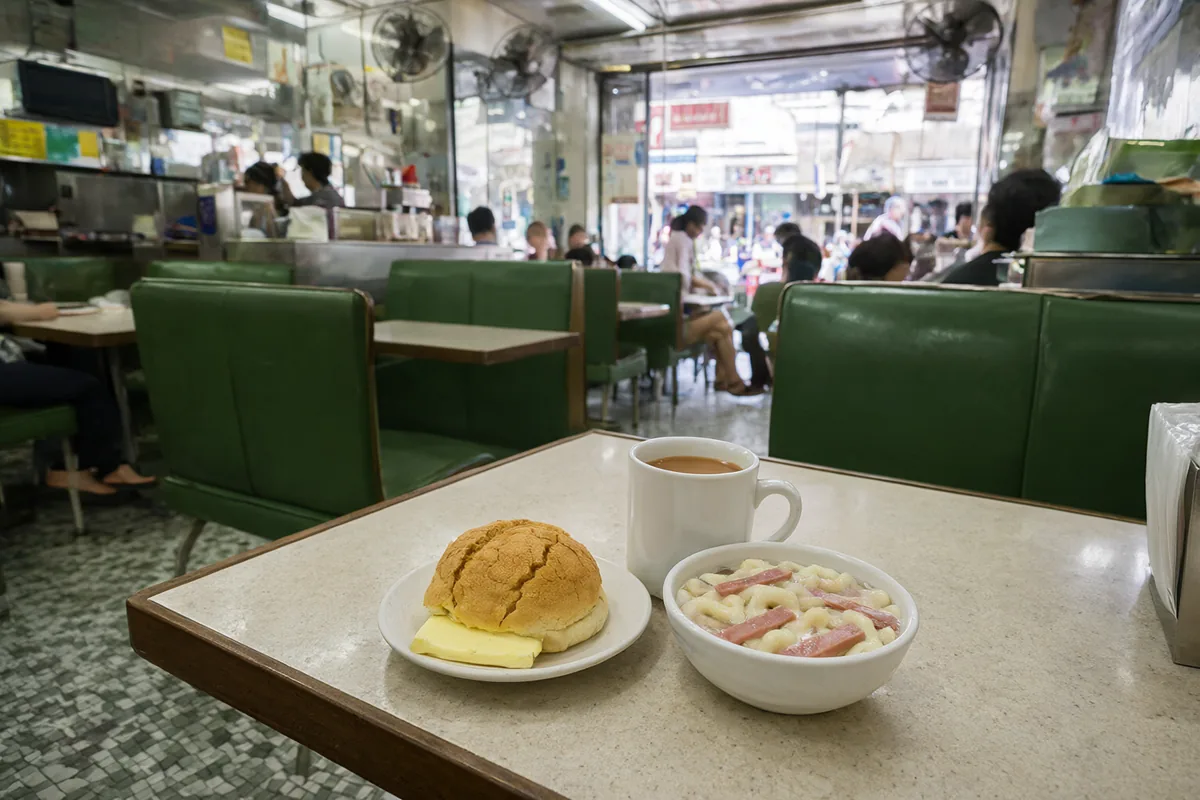
- Hong Kong-style milk tea (naai cha): strong black tea strained through a cloth bag and mixed with evaporated milk. Yuen yeung is half coffee, half milk tea.
- Pineapple bun (bo lo baau): a soft bun with a crackly sugar crust. It contains no pineapple. With a thick slab of cold butter inside, it is a bo lo yau.
- Egg tart (daan taat): a wobbly egg custard in a shortcrust or flaky pastry shell, best still warm from the bakery.
- Hong Kong French toast (sai do si): two slices of bread sandwiched with peanut butter, deep-fried and served with butter and syrup.
- Claypot rice (bo zai faan): rice cooked in a clay pot over a flame with Chinese sausage, chicken or spare ribs, with a crisp crust at the bottom. A cool-weather dish.
- Egg waffles (gai daan zai): a sheet of small, puffed bubbles of sweet batter, sold hot from street stalls.
How to read a Cantonese menu
Hong Kong uses traditional Chinese characters and speaks Cantonese, not Mandarin. Many restaurants in tourist districts have English menus, but cha chaan teng (Hong Kong-style cafés), dim sum order sheets and wall menus at noodle shops are often in Chinese only. Cantonese romanisation varies a great deal, so the spellings below are the ones you will most often see on signs and menus.
| Chinese | Cantonese | Meaning |
|---|---|---|
| 點心 | dim sum | Dim sum, small plates eaten with tea |
| 燒味 | siu mei | Roast meats: char siu, roast goose, crispy pork |
| 叉燒 / 燒鵝 | char siu / siu ngo | Barbecued pork / roast goose |
| 雲吞麵 | wan tan min | Wonton noodles |
| 腸粉 | cheung fun | Steamed rice noodle rolls |
| 粥 | juk | Congee, rice porridge |
| 飯 / 麵 / 河 | faan / min / ho | Rice / egg noodles / flat rice noodles (ho fun) |
| 常餐 / 快餐 | seung chaan / faai chaan | Set meals at a cha chaan teng, usually with a drink included |
| 奶茶 / 鴛鴦 | naai cha / yuen yeung | Milk tea / coffee and milk tea mixed |
| 凍 / 熱 | dung / yit | Iced (often a few dollars more) / hot |
| 走冰 / 少甜 | jau bing / siu tim | No ice / less sweet |
| 加底 | ga dai | Extra noodles or rice, for a small extra charge |
| 茶位 | cha wai | Tea charge, per person |
| 時價 | si ga | Market price, ask before ordering |
At a traditional dim sum restaurant, you order by ticking boxes on a paper sheet printed only in Chinese, with prices graded by size (small, medium, large, special). swap.menu reads the order sheet, translates every line and converts the prices, so you can tick the right boxes and hand the sheet straight back.
Service charges, tipping and paying in Hong Kong
Most sit-down restaurants add a 10 percent service charge to the bill, shown on the menu as "10% service charge" or 加一 (ga yat, "add one"). It is not usually added at cha chaan teng, noodle shops, dai pai dong (open-air street kitchens) or fast food places. Tipping on top is not expected. Many people leave the small coins from their change, and that is enough. Dim sum restaurants and many Chinese restaurants also charge tea per person, sometimes along with small dishes of pickles or peanuts you did not order. Hong Kong has no sales tax or GST, so menu prices are what you pay apart from the service charge. Our guide to tax and service charges on menus explains these lines in more detail.
The currency is the Hong Kong dollar (HKD, written HK$ or $). Restaurants generally take cards, and the Octopus card, the city's transport card, also pays at convenience stores, bakeries, fast food chains and many cafés. Mobile wallets and QR payments are increasingly accepted, but older cha chaan teng, market stalls and dai pai dong may still be cash only. When a card machine offers to charge you in your home currency, pay in Hong Kong dollars: our guide to paying in local currency explains why.
Breakfast is often eaten out, at a cha chaan teng or dim sum house. Lunch is noon to 2pm, when office districts get very crowded, and dinner runs from about 7pm to 10pm, with late-night snacks and dessert shops open well after that. At busy cheap places you will be seated with strangers (daap toi, sharing a table). Order quickly, eat, pay at the till and go.
Where to eat in Hong Kong, district by district
Hong Kong's districts each have a different character, from office-tower lunch counters to fishing-village seafood. Jump to a district:
- Central and Sheung Wan
- Wan Chai and Causeway Bay
- Tsim Sha Tsui and Jordan
- Mong Kok
- Sham Shui Po
- Sai Kung
- Lamma and Cheung Chau
Where to eat in Central and Sheung Wan
Central is Hong Kong's financial district, but between the towers it still has some of the city's oldest places to eat. Around Stanley Street and Graham Street you can find a handful of surviving dai pai dong, green-painted open-air kitchens with folding tables on the pavement, serving milk tea, toast, noodles and stir-fries. The Graham Street market is one of the oldest street markets in Hong Kong. Uphill, along the Mid-Levels Escalator, SoHo and Lan Kwai Fong are where Central goes for international restaurants and bars.
Walk west into Sheung Wan and the streets turn traditional: Des Voeux Road West and Wing Lok Street are lined with shops selling dried seafood, abalone, mushrooms and herbs. The cooked food centre on the upper floor of the Sheung Wan Municipal Services Building is a cheap, local place for lunch. Central and Sheung Wan are busiest at lunchtime on weekdays, so eat a little before noon or after 1:30pm if you want a seat.
Where to eat in Wan Chai and Causeway Bay
Wan Chai is a mix of old tenements, wet markets and nightlife. The streets around Tai Yuen Street and the Wan Chai Market are good for street snacks and noodle shops, the area around Star Street and Ship Street is quieter and full of cafés, and Lockhart Road is the bar strip. The Bowrington Road Cooked Food Centre, above a wet market at the edge of Causeway Bay, is a classic place for a cheap, loud dinner of stir-fries and seafood.
Causeway Bay is Hong Kong's busiest shopping district, packed with dessert shops, Japanese restaurants, food courts and late-night congee places. It is also the home of typhoon shelter crab, fried with a huge pile of crispy garlic, chilli and black beans, a dish created by the boat people who once lived in the Causeway Bay typhoon shelter. Head a little east to Tin Hau for quieter local restaurants and dessert shops serving sweet soups.
Where to eat in Tsim Sha Tsui and Jordan
Tsim Sha Tsui, at the tip of the Kowloon peninsula, has the hotel restaurants and the views across Victoria Harbour to Hong Kong Island. Go for dim sum or afternoon tea at a hotel if you want the harbour view, then eat the rest of the time in the side streets. Chungking Mansions on Nathan Road is a crowded old block full of South Asian and African traders and some of the cheapest Indian and Pakistani curries in the city. Knutsford Terrace is a small strip of bars and international restaurants.
A short walk north, Temple Street Night Market in Jordan is the place for claypot rice, chilli crab and garlic prawns at tables set up on the street in the evening, cooked by stalls that have done it for decades. Prices are higher than in the back streets, so check them before you sit down. The streets of Jordan and Yau Ma Tei around the market also have traditional dessert shops, noodle houses and one of the city's old fruit markets.
Where to eat in Mong Kok
Mong Kok is one of the most densely packed neighbourhoods in the world, and its street food is a reason to visit Hong Kong on its own. Walk along Dundas Street, Fa Yuen Street and the lanes around the Ladies' Market on Tung Choi Street and graze: curry fish balls on skewers, fish-paste siu mai, egg waffles, fried stinky tofu, and cart noodles, where you choose noodles, broth and a list of toppings from a menu that can run to dozens of items.
Mong Kok is also full of cha chaan teng, the Hong Kong-style cafés where Cantonese and British food meet. Expect booth seats, laminated menus and a rapid-fire mix of dishes: macaroni in soup with ham, instant noodles with a fried egg, baked pork chop rice, French toast and milk tea. Set meals are excellent value at breakfast and afternoon tea time. Mong Kok gets very crowded in the evening and at weekends, so arrive early or accept a short queue.
Where to eat in Sham Shui Po
Sham Shui Po is an older, working-class district in northwest Kowloon, best known for electronics markets and fabric shops, and for some of the cheapest good food in Hong Kong. Several of its small, long-running stalls have been recognised by international restaurant guides while still charging very little. Look for cheung fun doused in sauces, tofu pudding and fried tofu from traditional soy shops, dim sum, wonton noodles and Chiu Chow (Chaozhou) braised goose.
The streets to explore are Kweilin Street, Pei Ho Street and Fuk Wing Street, along with the market building on Pei Ho Street. Many places here are cash only and have menus written in Chinese on the wall, which makes Sham Shui Po the district where a translated menu helps most. Go in the morning or at lunch, as some stalls sell out and close by mid-afternoon.
Where to eat in Sai Kung
Sai Kung is a former fishing town on the eastern side of the New Territories, and it is the place Hong Kong goes for seafood by the water. Along the waterfront, restaurants have tanks of live fish, prawns, crabs, lobsters and mantis shrimp, and fishermen sell catch straight from small boats at the pier. You choose your seafood, it is weighed, and the kitchen cooks it however you like: steamed with ginger and spring onion, salt and pepper fried, or with garlic and vermicelli.
Seafood is priced per catty (斤, gan, about 600 g), and some restaurants charge a separate cooking fee, so confirm both the weight and the total before the kitchen starts. Sai Kung town also has bakeries, cafés and good Western restaurants catering to people heading out for hikes and boat trips. It is around an hour from the city centre by bus or minibus, and best on a weekday.
Where to eat on Lamma and Cheung Chau
The outlying islands are a short ferry ride from Central and feel nothing like the city. On Lamma Island, a car-free island of villages and hiking trails, the harbour at Sok Kwu Wan is lined with seafood restaurants, while Yung Shue Wan has a more relaxed mix of cafés, bars and Cantonese kitchens. Many visitors walk the trail between the two and stop for dau fu fa (silky tofu pudding) at the stalls along the way.
Cheung Chau is a busier island with a fishing harbour and a long seafront promenade. Its snacks are famous: giant fish balls on skewers, mango mochi, fried squid and seafood cooked at the restaurants on the waterfront. During the Cheung Chau Bun Festival in spring, the island eats vegetarian for several days and sells "lucky buns" stamped with red characters. Catch an earlier ferry back if you are going at the weekend, as queues build in the evening.
Vegetarian, vegan and allergy tips
Hong Kong has a long tradition of Buddhist vegetarian food, and there are many vegetarian restaurants (look for 齋 jaai, "vegetarian") serving mock meats, tofu dishes and vegetarian dim sum. Ordinary Cantonese cooking is harder. Vegetables are often stir-fried with oyster sauce, dried shrimp or pork, broths are made from pork bones and chicken, and lard is common in pastries and older-style cooking. Egg is used widely, including in noodles. In Cantonese, "I am vegetarian" is 我食齋 (ngo sik jaai).
Seafood and shellfish are everywhere: dried shrimp, shrimp paste and fish sauce turn up in dishes that look meat-free. Peanuts and sesame appear in sauces for cheung fun and noodles, and soy sauce contains wheat. International restaurants in Central, Wan Chai and Tsim Sha Tsui are generally used to allergy requests, while small local places may not be. Our guide to eating abroad with food allergies explains how to communicate an allergy clearly.
Useful Cantonese phrases for ordering
唔該 m goi, "Excuse me" to get attention, and "thank you" for service
兩位 leung wai, "Two people" (hold up fingers as you say it)
有冇英文餐牌? yau mou ying man chaan paai?, "Do you have an English menu?"
我要呢個 ngo yiu ni go, "I want this one" (pointing)
唔要辣 m yiu laat, "Not spicy"
我食齋 ngo sik jaai, "I am vegetarian"
唔該埋單 m goi maai daan, "The bill, please"
好好食 hou hou sik, "Very delicious"
How swap.menu helps you eat in Hong Kong
Some of Hong Kong's best food is served in places with a wall menu in Chinese characters and staff who are too busy to explain. Photograph the menu or the dim sum sheet with swap.menu and every dish appears in your language with the Chinese name beside it and a short explanation, so you know that fung zaau, "phoenix claws", are braised chicken feet, and that a cha chaan teng "A set" comes with a drink. Every price is converted from Hong Kong dollars to your home currency, and the 10 percent service charge and tea charge are pointed out before the bill arrives.
Tap the dishes you want, add a note such as "no ice" or "no peanuts, please", typed or spoken, and swap.menu translates your order into Chinese. Show the waiter your phone, or let them scan the QR code and read your order on their own screen. Try it on a sample menu with the free demo, or see travel pass prices.
Off to Hong Kong? Your first 3 menu scans are free, and a travel pass starts from $4.99 with nothing that renews.
Start free with 3 scansHong Kong food FAQ
Do you tip in restaurants in Hong Kong?
Tipping is not expected. Most sit-down restaurants add a 10 percent service charge, and locals often leave the small coins from their change. Cha chaan teng, noodle shops and street food stalls usually have no service charge at all.
What food is Hong Kong famous for?
Dim sum, roast meats like char siu and roast goose, wonton noodles, egg tarts, pineapple buns and Hong Kong-style milk tea. The city is also known for its cha chaan teng cafés and fresh seafood.
Is Hong Kong expensive to eat out?
It can be either. Hotel and harbour-view restaurants are expensive, but a meal at a noodle shop, roast meat shop or cha chaan teng is cheap, and set meals are very good value. Seafood priced by weight is where bills climb quickly.
Is tap water safe to drink in Hong Kong?
Hong Kong's treated tap water meets international standards, but old pipes in some buildings can affect it, so many locals boil or filter their water. Bottled water is cheap and widely sold, and restaurants usually serve tea.
What time do people eat dinner in Hong Kong?
Dinner usually starts around 7pm and runs to 10pm, and many restaurants and dessert shops stay open late. Lunch is noon to 2pm, and dim sum is a morning and early afternoon meal.
How can I read a menu in Hong Kong if I do not read Chinese?
Tourist areas often have English menus, but many local places do not. Photograph the menu with swap.menu and it translates every dish into your language, explains it, converts prices from Hong Kong dollars and translates your order into Chinese for the staff.
Travelling further in Asia? Read our food guides for nearby destinations:
- Macau food guide
- China food guide
- Taiwan food guide
- Singapore food guide
- Philippines food guide
- Vietnam food guide
Or browse every travel food guide.