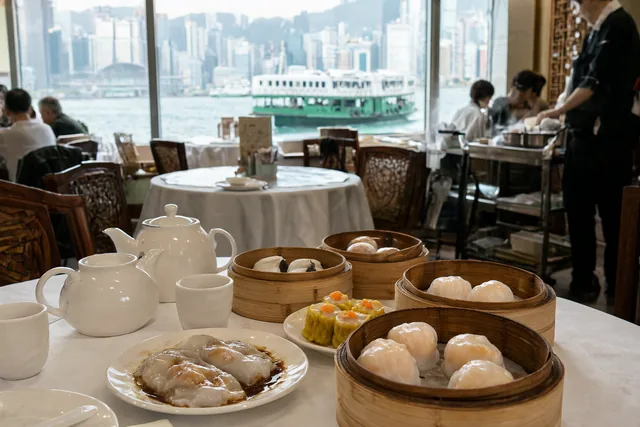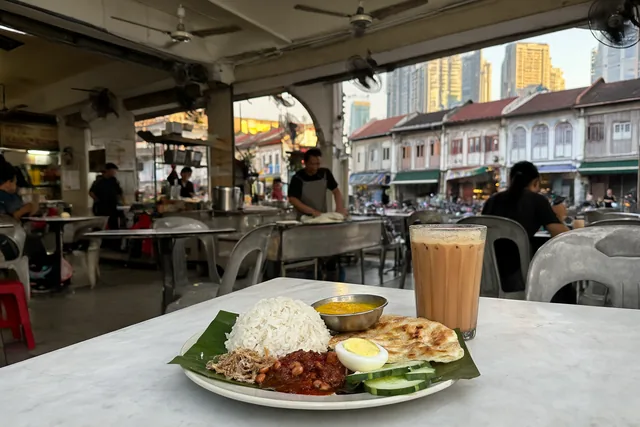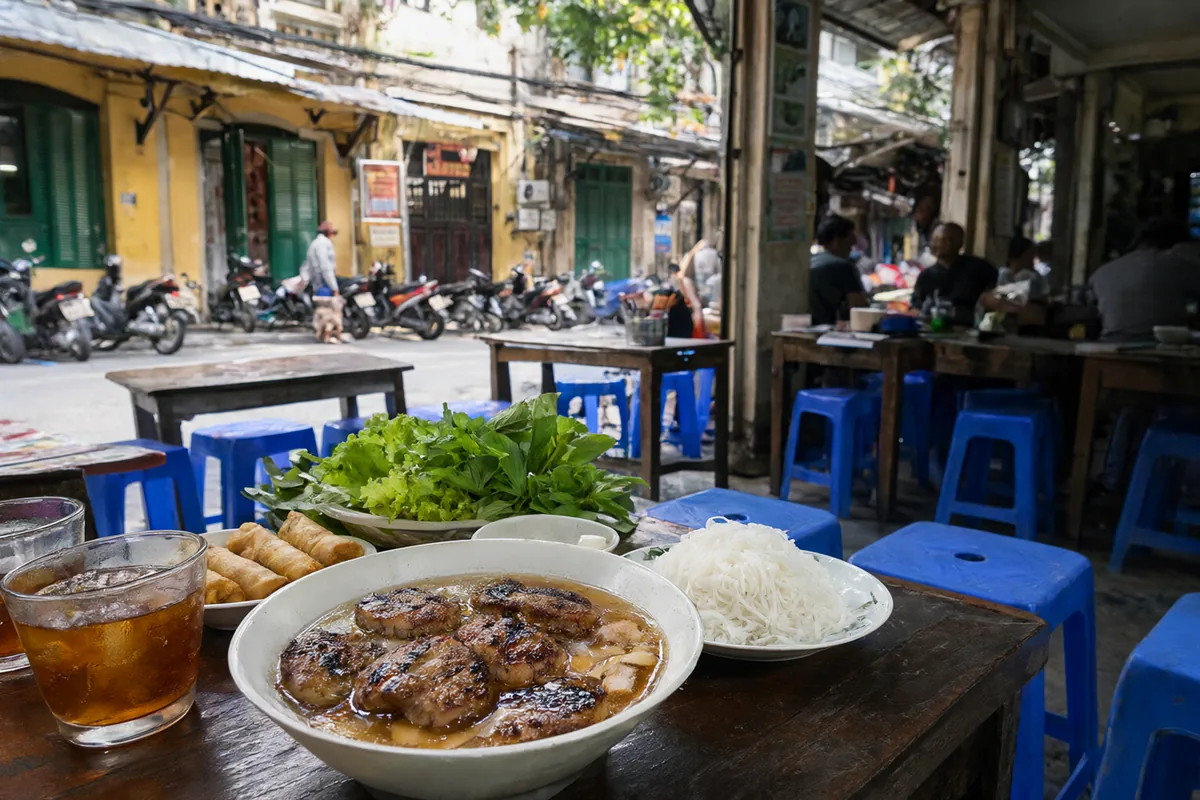
Vietnamese food is fresh, cheap and endlessly varied, and much of the best of it is cooked on the pavement and eaten on a plastic stool. This Vietnam food guide covers the dishes to know, how to read a Vietnamese menu, how tipping and paying in dong work, and then goes city by city through where to eat in Hanoi, Ho Chi Minh City, Hoi An, Hue, Da Nang, Da Lat and Can Tho. The country is long and thin, and its food changes as you travel: the north is subtle and savoury, the centre is spicy, and the south is sweeter, with more herbs and more coconut. Many street stalls cook just one dish, and that is usually a sign they do it well.
What to eat in Vietnam: 12 dishes to know
These are the dishes worth seeking out, with the city or region they belong to. Eat them where they come from whenever you can.
- Phở (Hanoi and the north): rice noodle soup in a clear, spiced beef or chicken broth. Northern phở is restrained; southern bowls come with a plate of herbs, bean sprouts and sauces.
- Bún chả (Hanoi): grilled pork patties and pork belly in a sweet and sour fish sauce dressing, with rice vermicelli and herbs on the side. A lunchtime dish.
- Bánh mì (everywhere, best in Hoi An and Saigon): a light, crisp baguette filled with pâté, cold cuts or grilled pork, pickled carrot and radish, coriander and chilli.
- Cơm tấm (Ho Chi Minh City): broken rice with a grilled pork chop, shredded pork skin, a slice of steamed egg meatloaf and a bowl of sweetened fish sauce.
- Bún bò Huế (Hue): a spicy beef and pork noodle soup flavoured with lemongrass and shrimp paste, with thick round noodles.
- Cao lầu (Hoi An): chewy, thick noodles with slices of pork, crisp croutons, herbs and a little rich broth. Only properly made in Hoi An.
- Mì Quảng (Da Nang and Quang Nam): wide turmeric-yellow rice noodles with prawns, pork or chicken, a small amount of broth, peanuts and a sesame rice cracker.
- Bánh xèo (the south and centre): a crisp, turmeric-coloured rice flour pancake filled with prawns, pork and bean sprouts, wrapped in lettuce and herbs and dipped in fish sauce.
- Gỏi cuốn (the south): fresh spring rolls of rice paper wrapped around prawns, pork, herbs and vermicelli, dipped in a peanut and hoisin sauce.
- Chả cá (Hanoi): turmeric-marinated fish fried at the table with a huge pile of dill and spring onion, eaten with vermicelli, peanuts and shrimp paste.
- Bánh cuốn (the north): thin, steamed rice sheets rolled around minced pork and wood ear mushroom, topped with fried shallots.
- Cà phê sữa đá (everywhere): strong dark coffee dripped through a small metal filter over sweet condensed milk and ice. In Hanoi, try cà phê trứng, coffee topped with whipped egg yolk.
How to read a Vietnamese menu
Vietnamese is written in the Latin alphabet with many accents, which mark tones and change the meaning of a word. That makes menus easier to scan than in most of Asia. Many dish names are built from parts: a base (noodles, rice, bread), a main ingredient and a cooking method. Some words differ between north and south, and both are shown below.
| Vietnamese | Meaning |
|---|---|
| Phở | Flat rice noodles, usually in soup |
| Bún | Round rice vermicelli, in soup or served cool with grilled meat |
| Cơm | Cooked rice, and a rice meal (cơm bình dân is a cheap point-and-choose rice canteen) |
| Bánh | A catch-all for bread, cake, pancake, dumpling or rice sheet |
| Gà / bò / heo (lợn) | Chicken / beef / pork (heo in the south, lợn in the north) |
| Tôm / cá / mực / cua | Prawn / fish / squid / crab |
| Nướng | Grilled, usually over charcoal |
| Chiên (rán) | Deep-fried or fried (chiên in the south, rán in the north) |
| Xào | Stir-fried |
| Luộc / hấp | Boiled / steamed |
| Canh / lẩu | Soup served with rice / hotpot to share |
| Tái / chín | Rare / well done, as in phở tái (rare beef slices) and phở chín (cooked brisket) |
| Chay | Vegetarian |
| Không cay | Not spicy |
Prices in Vietnam are often written without the last three zeros: "45k" or just "45" on a menu board means 45,000 dong. swap.menu reads the shorthand, converts every price from dong to your home currency and explains each dish, so you are not left counting zeros at the table.
Tipping, paying and meal times in Vietnam
Tipping is not a traditional part of eating out in Vietnam, and nobody expects a tip at a street stall or local restaurant. In tourist restaurants, leaving a little change is appreciated. Some restaurants and most hotels add a service charge (often 5 percent) and VAT, and a menu may say that prices do not yet include them, written as "++" or chưa bao gồm VAT. Our guide to tax and service charges on menus explains these lines.
The currency is the Vietnamese dong (VND, written ₫ or đ). Prices run into tens and hundreds of thousands, and some notes are easy to confuse: the 20,000 and 500,000 notes are both blue, so check before you hand them over. Street food, markets and small restaurants are cash only, though many now also accept local bank QR transfers. Cards are accepted in mid-range and upmarket restaurants, cafés in the big cities and hotels. When a card machine offers to charge you in your home currency, choose dong: our guide to paying in local currency explains why. At stalls with no prices shown, ask how much before you order.
Vietnam eats early. Phở and other noodle soups are breakfast food, served from around 6am, and some stalls sell out by 9 or 10am. Lunch is 11am to 1pm, followed by a rest, and dinner runs from around 6pm to 8pm, although street food, beer corners and snail restaurants keep going later in the big cities. Many stalls specialise in one dish and serve it at one time of day.
Where to eat in Vietnam, city by city
Each Vietnamese city has its own noodle soup and its own way of doing things. Jump to a city:
Where to eat in Hanoi
Hanoi is the home of phở, and a bowl at a busy stall at 7am, sitting on a low stool, is the classic Hanoi experience. The capital's other essential dishes are bún chả at lunch, bánh cuốn in the morning, chả cá with dill, and bún riêu, a tomato and crab noodle soup. Near the Truc Bach lake on Ngu Xa island, look for phở cuốn, phở noodle sheets rolled around beef and herbs, and phở chiên phồng, puffed fried noodle squares.
The Old Quarter, where each street was once named after the goods sold on it, is the densest place to eat in Hanoi, with stalls on almost every corner. In the evening, the corner of Ta Hien and Luong Ngoc Quyen streets fills with people drinking bia hơi, cheap fresh draught beer, on plastic stools. Dong Xuan Market has a food section with snacks and lunch dishes. For egg coffee, look in the cafés around Hoan Kiem Lake, many up narrow stairs with a view over the traffic. Hanoi has a cool winter, so a hot bowl of phở makes even more sense from December to February.
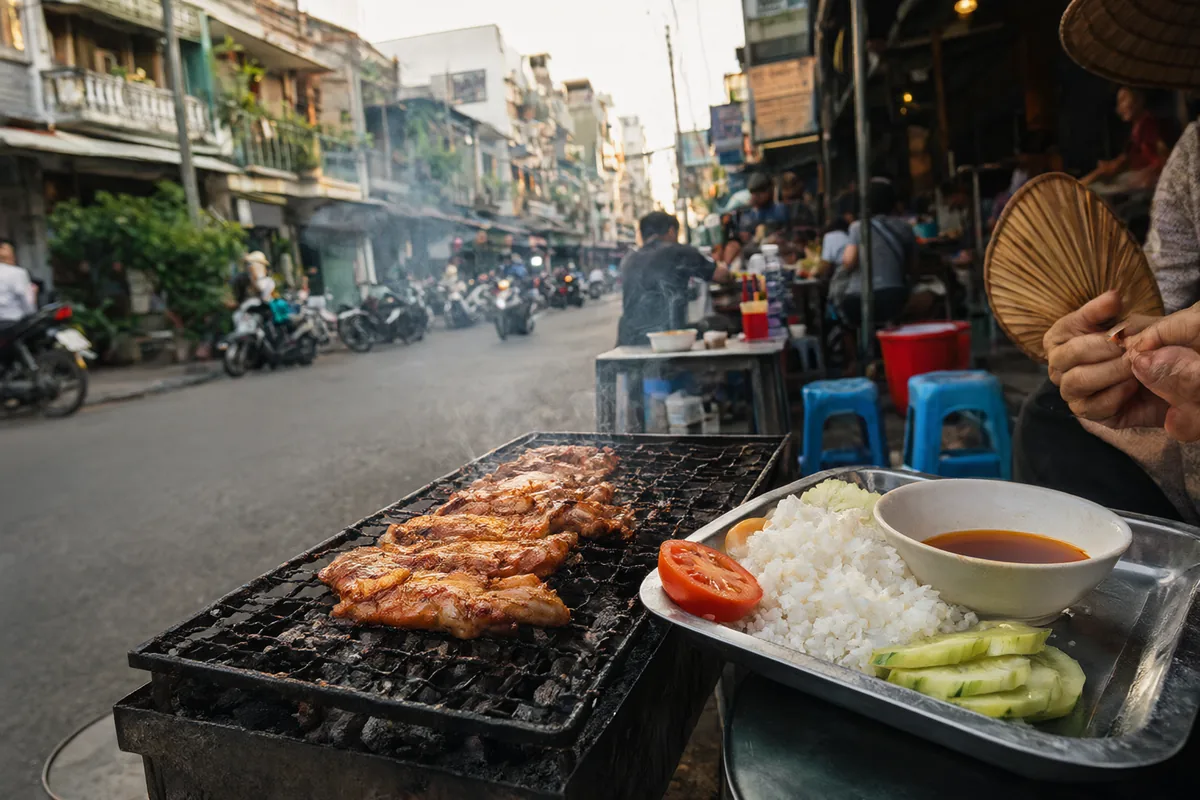
Where to eat in Ho Chi Minh City
Ho Chi Minh City, still called Saigon by most locals, is Vietnam's largest city and its busiest food city. Southern cooking is sweeter and more generous with herbs, and the dishes to order are cơm tấm (broken rice with grilled pork chop), bánh mì, bánh xèo, hủ tiếu (a clear pork and seafood noodle soup with Chinese and Cambodian roots) and gỏi cuốn. Saigon is also famous for ốc, snail and shellfish restaurants where you choose from dozens of kinds of shellfish cooked with tamarind, garlic, coconut or chilli and salt.
Ben Thanh Market in District 1 has a food hall and is easy for a first meal, but prices are higher than elsewhere. Vinh Khanh Street in District 4 is a long strip of snail and seafood restaurants that fills up every evening. Cholon, the Chinatown in District 5, is the place for Chinese-Vietnamese noodles, dim sum and roast duck. District 3 and the alleys off the main streets hide many of the best cơm tấm and bún stalls. Ho Chi Minh City eats late, so do not worry about finding dinner at 9pm.
Where to eat in Hoi An
Hoi An is a small, lantern-lit trading port on the central coast, and it punches far above its size for food. The signature dish is cao lầu, chewy noodles traditionally made using water from local wells and ash from nearby islands. Also order bánh bao bánh vạc ("white rose" dumplings filled with shrimp), cơm gà Hội An (chicken rice coloured with turmeric, served with shredded chicken and herbs) and bánh mì, which many travellers say is the best in Vietnam.
The Central Market by the Thu Bon River has a busy food hall where stallholders cook cao lầu, mì Quảng and sweet soups. In the evening, the riverside and the island of An Hoi across the bridge have a night market with grilled skewers and snacks. Restaurants inside the old town cater largely to visitors, so for lower prices walk a few streets out of the centre. Hoi An is also a popular place for cooking classes, many of which start with a guided market visit.
Where to eat in Hue
Hue was the seat of Vietnam's last royal dynasty, and its food has two sides: refined imperial dishes, and the spiciest street food in the country. The essential bowl is bún bò Huế, beef and pork noodle soup with lemongrass and chilli. Hue is also known for small steamed rice cakes: bánh bèo (little saucers topped with dried shrimp and crispy pork skin), bánh nậm (flat rice parcels in banana leaf) and bánh bột lọc (chewy tapioca dumplings with shrimp).
Try cơm hến, rice with tiny river clams, peanuts, crispy pork skin and herbs, a cheap Hue breakfast. Dong Ba Market near the river is the busiest place to eat in Hue, and the area around the Citadel has small family restaurants serving set menus of royal-style dishes. Finish with chè, sweet soups with beans, jelly and coconut milk, which Hue makes in many varieties. If chilli is a worry, say không cay before your order is made.
Where to eat in Da Nang
Da Nang is a modern beach city halfway down the coast, and the place to eat mì Quảng, the yellow rice noodles of Quang Nam province, and bánh tráng cuốn thịt heo, sliced boiled pork rolled with herbs in rice paper and dipped in fermented anchovy sauce. Fresh seafood is the other big draw: along My Khe Beach, restaurants display tanks and trays of clams, crabs, prawns and fish, priced by weight and cooked as you choose.
Con Market (chợ Cồn) is the best place in Da Nang for street food, with stalls serving snacks, bánh xèo, sweet soups and fresh fruit shakes. Han Market near the river is more central and sells dried goods and local snacks. When eating seafood by weight, confirm the price per kilo and see the catch weighed before it is cooked. Da Nang is also an easy base for day trips to Hoi An, about 45 minutes away.
Where to eat in Da Lat
Da Lat sits in the central highlands at about 1,500 metres, and its cool climate makes it Vietnam's garden: strawberries, artichokes, avocados, flowers and vegetables are grown on the surrounding hills. Its best-known street snack is bánh tráng nướng, a rice paper grilled over charcoal with egg, spring onion and dried shrimp, sometimes called Vietnamese pizza. Also try kem bơ (avocado ice cream), hot soy milk with small cakes in the evening, and artichoke tea.
The Da Lat Night Market, on the steps and streets around the central market, is busy every evening with grilled snacks, hot drinks and stalls selling knitted hats for the cold. Da Lat is also known for lẩu gà lá é, a chicken hotpot with a peppery local herb, a good choice on a cold night. The surrounding province grows coffee, and Da Lat's cafés, many with views over pine-covered valleys, are a reason to linger.
Where to eat in Can Tho
Can Tho is the biggest city in the Mekong Delta, and the food is all about the river: freshwater fish, prawns, rice and an abundance of tropical fruit. Get up before dawn for the Cai Rang Floating Market, where boats sell fruit and vegetables, and smaller boats serve hot hủ tiếu noodle soup and coffee to people on the water. Delta-style bánh xèo is large and served with a basket of herbs and leaves to wrap it in.
Also try lẩu mắm, a pungent hotpot made with fermented fish and served with dozens of fresh vegetables and flowers, and grilled elephant ear fish rolled in rice paper. The Ninh Kieu riverside and its night market are the easiest places to eat in Can Tho in the evening. The Mekong Delta is also the best place in Vietnam for fruit: look for rambutan, mangosteen, longan, durian and pomelo at roadside stalls and markets.
Vegetarian, vegan and allergy tips
Vietnam has a strong Buddhist vegetarian tradition, and every city has chay (vegetarian) restaurants, often near pagodas, serving tofu, mushrooms and mock meats. Many Vietnamese Buddhists eat vegetarian on the first and fifteenth days of the lunar month, when these restaurants are busiest. In ordinary places, though, almost every dish is seasoned with fish sauce (nước mắm), broths are made with bones, stir-fries may use pork fat, and fried shallots and scallion oil can be cooked in lard. "I am vegetarian" is tôi ăn chay, and ask for no fish sauce (không nước mắm).
Peanuts are scattered over many noodle dishes and salads, and peanut sauce comes with spring rolls. Shrimp paste (mắm tôm) is used in dips and soups, and dried shrimp turns up in many snacks. Rice noodles and rice paper are naturally gluten-free, but soy sauce and some sauces are not. Our guide to eating abroad with food allergies explains how to communicate an allergy clearly.
Useful Vietnamese phrases for ordering
Xin chào "Hello"
Cho tôi xem thực đơn "Can I see the menu?"
Cho tôi cái này "I'll have this one" (pointing)
Không cay "Not spicy"
Tôi ăn chay "I am vegetarian"
Bao nhiêu tiền? "How much is it?"
Tính tiền "The bill, please" (in the north, thanh toán is also common)
Ngon quá, cảm ơn! "Delicious, thank you!"
How swap.menu helps you eat in Vietnam
Vietnamese menus look readable because they use the Latin alphabet, but the words give few clues: bánh can be bread, a pancake, a dumpling or a cake, and a menu board may simply list twenty kinds of bún. Photograph it with swap.menu and every dish appears in your language with the Vietnamese name beside it and a short explanation, so you know that bún đậu mắm tôm is vermicelli and fried tofu with a pungent shrimp paste dip, and that hột vịt lộn is a fertilised duck egg. Every price, including "k" shorthand, is converted from dong to your home currency.
Tap the dishes you want, add a note such as "no peanuts" or "not spicy, please", typed or spoken, and swap.menu translates your order into Vietnamese. Show the cook your phone, or let them scan the QR code and read your order on their own screen. Try it on a sample menu with the free demo, or see travel pass prices.
Off to Vietnam? Your first 3 menu scans are free, and a travel pass starts from $4.99 with nothing that renews.
Start free with 3 scansVietnam food FAQ
Do you tip in restaurants in Vietnam?
Tipping is not traditional in Vietnam and is not expected at street stalls or local restaurants. In tourist restaurants, leaving some change for good service is appreciated. Some restaurants and hotels add a service charge and VAT to the bill.
What food is Vietnam most famous for?
Phở, bánh mì, bún chả, fresh spring rolls, bánh xèo and Vietnamese iced coffee. Regional dishes such as bún bò Huế from Hue, cao lầu from Hoi An and cơm tấm from Ho Chi Minh City are just as important.
Is street food safe to eat in Vietnam?
Busy street stalls with a quick turnover are generally a safe bet, since the food is cooked fresh and sells fast. Choose dishes that are cooked hot in front of you, and be more careful with raw herbs and salads if you have a sensitive stomach.
Which city in Vietnam is best for food?
Hanoi is best for phở and northern dishes, Ho Chi Minh City has the widest range of street food, Hue has the spiciest cooking and Hoi An has some of the best bánh mì and local noodles. Each city in this guide has its own section on where to eat.
Is tap water safe to drink in Vietnam?
No, drink bottled or filtered water. Ice served in city restaurants and cafés is generally made from treated water, but if you are unsure, skip it.
How can I read a Vietnamese menu?
Learn a few base words like phở, bún, cơm and bánh and the words for meats and cooking methods, or photograph the menu with swap.menu. It translates every dish into your language, explains what it is, converts prices from dong and translates your order into Vietnamese for the staff.
Travelling further in Southeast Asia? Read our food guides for nearby countries:
Or browse every travel food guide.