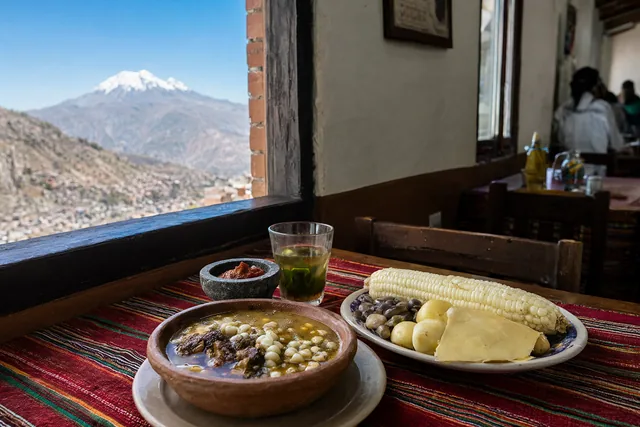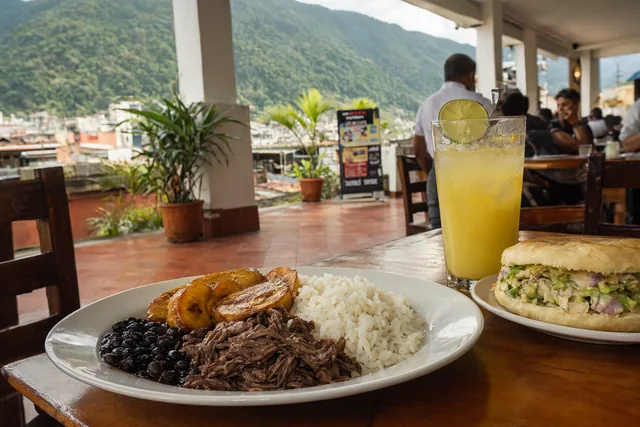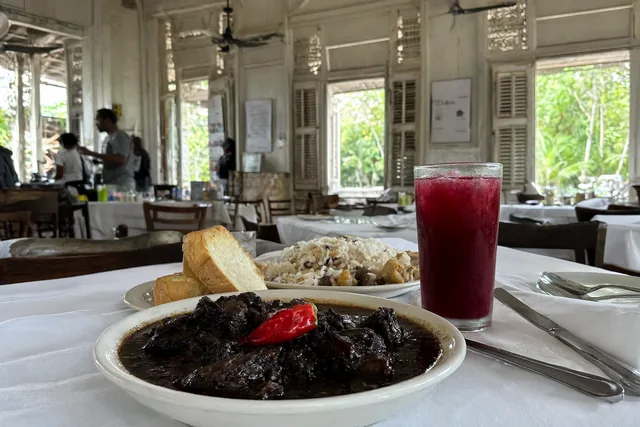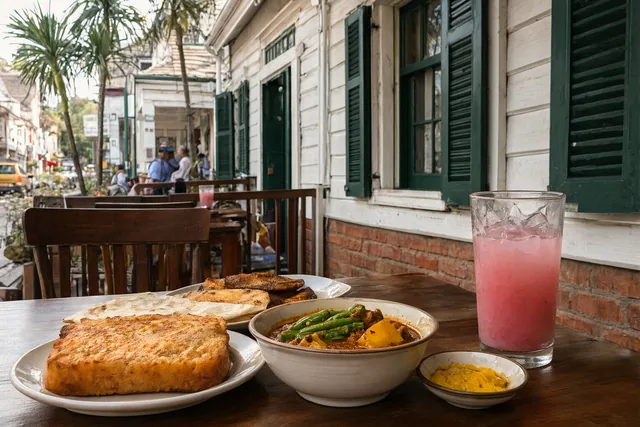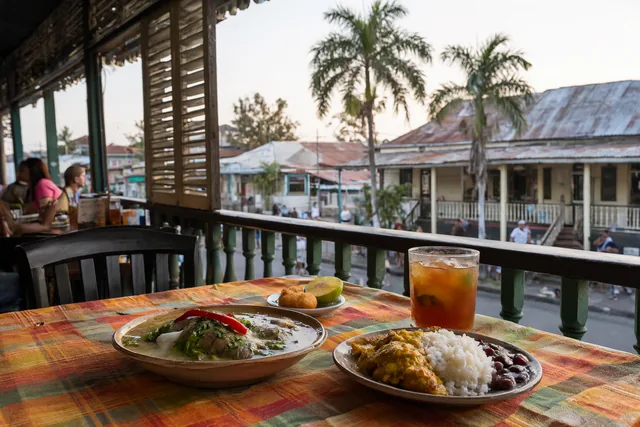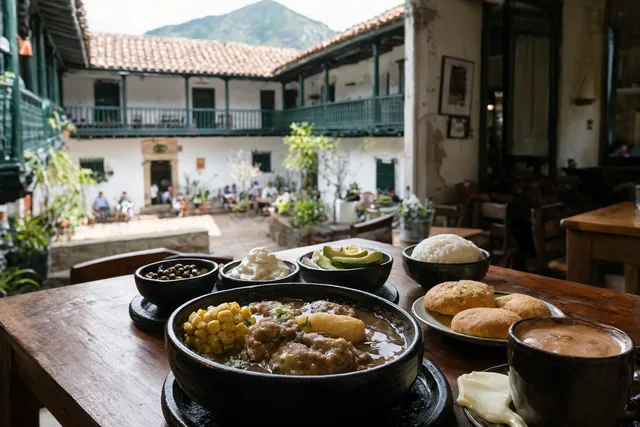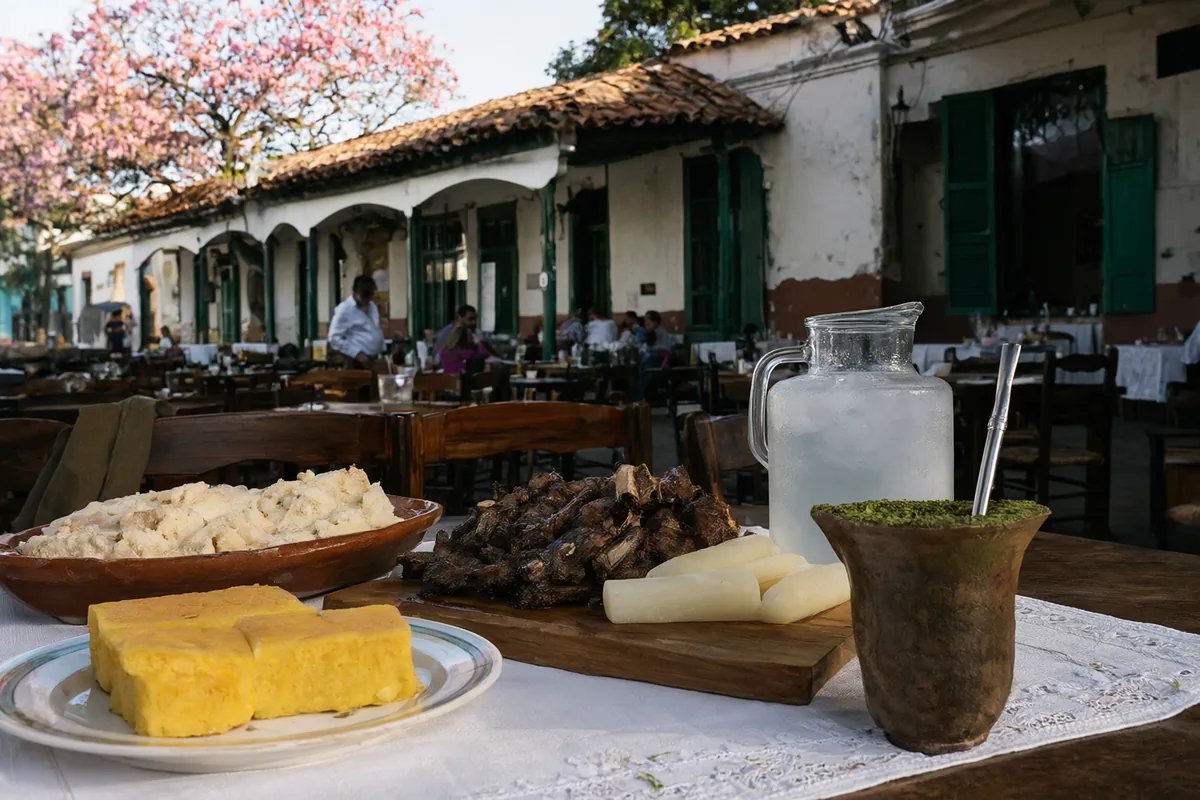
Paraguay is one of the least visited countries in South America and one of the most rewarding to eat in, as long as you like corn, cheese, cassava and beef. This Paraguay food guide covers the dishes to know, how to read a menu that mixes Spanish with Guaraní, tipping and paying in guaraníes, and where to eat in Asunción, Encarnación, Ciudad del Este, Areguá, San Bernardino, Concepción and the Mennonite towns of the Chaco. Paraguay is the only country in the Americas where most people speak an Indigenous language, Guaraní, alongside Spanish, and the food carries Guaraní names: mandi'o for cassava, so'o for meat, kesu for cheese. And everywhere you go, people carry a flask of iced water and a cup of yerba mate for tereré.
What to eat in Paraguay: 12 dishes to know
Paraguayan cooking grew from Guaraní ingredients (corn, cassava, squash) and Spanish cattle and cheese. These are the dishes and drinks to look for.
- Sopa paraguaya (everywhere): despite the name, not a soup at all but a dense, savoury cornbread made with corn flour, cheese, onion, eggs and milk, served in squares beside grilled meat. Paraguayans tell several stories about how a soup became solid.
- Chipa (everywhere): ring-shaped or round rolls of cassava starch, cheese, egg and anise, baked hard outside and chewy inside. Sold on buses, at roadsides and in every bakery, and eaten with coffee or cocido.
- Chipa guasu (everywhere): "big chipa", a moist, soufflé-like bake of fresh corn kernels, cheese and egg. Softer and sweeter than sopa paraguaya.
- Mbeju (everywhere): a flat, crumbly pancake of cassava starch and cheese cooked in a pan, eaten for breakfast or afternoon tea.
- Vori vori (everywhere, in winter): a thick chicken soup with small balls of corn flour and cheese. The name comes from the Guaraní for the little balls.
- So'o yosopy (everywhere): a soup of finely ground beef thickened with rice or corn, very much a home dish and a cold weather favourite.
- Asado (everywhere, weekends above all): Paraguayan barbecue, with beef ribs, sausage, pork and offal grilled over wood or charcoal and served with mandi'o (boiled cassava), sopa paraguaya and salad.
- Bife koygua (everywhere): "hidden steak", a thin beef steak smothered in onions and tomato and topped with a fried egg, so the meat is hidden underneath.
- Pira caldo (river towns): a fish soup made with river fish such as surubí (a large catfish), with onion, peppers, tomato and sometimes cheese. Pira is the Guaraní word for fish.
- Milanesa (everywhere): breaded beef or chicken schnitzel, the default lunch in cafés and roadside restaurants, often served a caballo with a fried egg on top.
- Empanadas (everywhere): fried or baked turnovers filled with beef, chicken, ham and cheese or mandi'o, sold in bakeries and snack bars.
- Tereré (everywhere): yerba mate steeped in iced water, often with crushed medicinal herbs (yuyos), sipped through a metal straw (bombilla) from a cup called a guampa. It is on UNESCO's list of intangible cultural heritage and is shared in a circle: the server refills the cup and hands it to each person in turn.
Two more to know. Cocido is a breakfast drink of yerba mate toasted with sugar and a hot coal, then boiled with water or milk, and mazamorra or kaguyjy is a sweet corn dessert. For a sweet with real local character, try kosereva, bitter orange peel candied in dark molasses.
How to read a Paraguayan menu
Menus in Paraguay are written in Spanish, but many dish names are Guaraní, and spoken ordering often slips into jopara, the everyday mix of the two. Small restaurants often offer a menú del día or plato del día at lunch, and many buffet-style places charge por kilo, by the weight of your plate. Here are the words that matter.
| Word | Language | Meaning |
|---|---|---|
| Menú del día / plato del día | Spanish | Set lunch or dish of the day |
| Por kilo / buffet libre | Spanish | Pay by weight / all you can eat |
| Mandi'o | Guaraní | Cassava (yuca), usually boiled |
| So'o | Guaraní | Meat, usually beef |
| Pira | Guaraní | Fish |
| Kesu | Guaraní | Cheese |
| Avati | Guaraní | Corn (maize) |
| Guasu | Guaraní | Big, as in chipa guasu |
| Parrillada | Spanish | Mixed grill, usually for two or more |
| Achuras / menudencias | Spanish | Offal from the grill: sweetbreads, intestines, kidney |
| A caballo | Spanish | "On horseback": with a fried egg on top |
| Surubí / dorado / pacú | Spanish and Guaraní | River fish, common on menus near the Paraná and Paraguay rivers |
| Jugo natural | Spanish | Freshly squeezed juice |
"Sopa" in Paraguay can mean a slab of cornbread rather than a bowl of soup, and "so'o" means meat. swap.menu explains Guaraní dish names like so'o yosopy and mbeju when it reads the menu, so you know what will arrive.
Tipping, tax and paying the bill
In sit-down restaurants in Paraguay, a tip of about 10 percent is normal for good service. Some restaurants in Asunción print a suggested tip (propina) on the bill or ask if you want it added when you pay by card, so check before leaving more. At bakeries, snack bars and market stalls, tipping is not expected, though rounding up is kind. Our guide to tax and service charges on menus explains how these lines work around the world.
Paraguay's value added tax (IVA) is included in menu prices, so the number you see is the number you pay, plus any tip. The currency is the guaraní, written ₲ or PYG, and the numbers are large: prices run into the tens and hundreds of thousands, written with a full stop as the thousands separator (₲ 50.000 means fifty thousand). Count the zeros carefully when paying.
Cards are widely accepted in restaurants, supermarkets and shops in Asunción, Encarnación and Ciudad del Este, and contactless is common. Cash is still needed for chipa sellers, markets, buses and small towns. When a card machine offers to charge you in your home currency, choose guaraníes: our guide to paying in local currency explains why.
Lunch is the main meal, from about 12pm to 2pm, and in the heat of summer many businesses slow down for a siesta in the early afternoon. The afternoon merienda of chipa or mbeju with coffee or cocido comes around 5pm. Dinner is late, usually from 9pm, and later on weekends. Weekend asados can run all afternoon.
Where to eat in Paraguay, city by city
Most visitors base themselves in Asunción and travel out to the lakes, the southern cities and the Chaco. Jump to a place:
Where to eat in Asunción
Asunción, the capital on the Paraguay River, is where you will eat best and with the most choice. For the everyday food of the city, go to Mercado 4, the sprawling market a short ride from the centre, where comedores serve vori vori, so'o yosopy, milanesas and pira caldo at shared tables, and stalls sell chipa, fruit and fresh juices. In the same area, the herb sellers of the Paseo de los Yuyos pound medicinal plants in wooden mortars to add to your tereré, and they will tell you which herb cures which ailment.
The more upmarket restaurant districts of Asunción are Villa Morra and Carmelitas, where you will find parrillas serving big cuts of Paraguayan beef, modern restaurants reworking Guaraní dishes, cafés and bars. The historic centre around the Palacio de López and the Costanera riverfront has a few long-running places and snack bars, handy for lunch between sights. On weekends, many families eat asado at home or at a quincho (a covered outdoor grill area), so Sunday lunch in Asunción restaurants is a busy affair. Try a lomito (steak sandwich) from a late-night lomitería after a night out.
Where to eat in Encarnación
Encarnación sits on the Paraná River across the bridge from Posadas in Argentina, and in summer its riverside beaches along the Costanera make it Paraguay's beach town. It is also the base for visiting the Jesuit mission ruins of Trinidad and Jesús. The food in Encarnación reflects the immigrants who settled the region: German, Ukrainian, Polish and Japanese families farmed the land around the city, and the nearby Colonias Unidas (Hohenau, Obligado and Bella Vista) are known for yerba mate production, German-style bakeries and sausages.
The Costanera of Encarnación is lined with restaurants, ice cream shops and kiosks, busy on summer evenings, and the city centre has parrillas and pizzerias. River fish such as surubí and dorado appear on menus here, grilled or in pira caldo. Encarnación hosts Paraguay's biggest carnival in January and February, when the city fills up and food stalls line the parade route. If you visit the yerba mate plantations in the colonias, some offer tastings and tours that end with tereré.
Where to eat in Ciudad del Este
Ciudad del Este is a border trading city on the Friendship Bridge to Foz do Iguaçu in Brazil, and most visitors come for shopping or on the way to the Iguazú Falls. Its food reflects its population. Ciudad del Este has a large Lebanese and Arab community, so shawarma, kibbeh and Middle Eastern bakeries are part of everyday eating, and there are long-established Chinese and Taiwanese communities with their own restaurants. Brazilian churrascarias and buffets por kilo are common too, and Portuguese is heard as often as Spanish.
The shopping streets of the microcentro are crowded in the day and close early, and many of the city's better restaurants are away from the border area in the residential districts. Food courts in the big shopping centres are the easy option in the middle of the day. Ciudad del Este is also close to the Itaipú dam, and day trippers often eat on the Brazilian side in Foz do Iguaçu. Keep an eye on your belongings in the busy centre.
Where to eat in Areguá
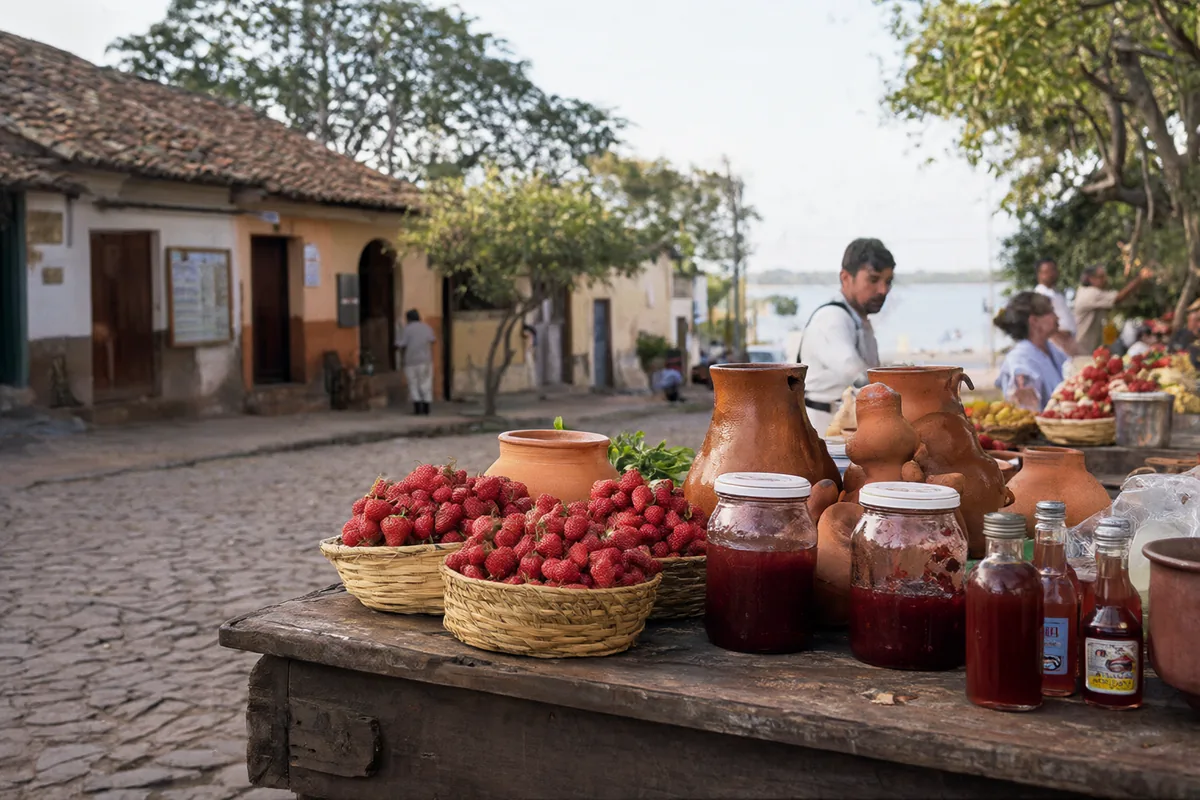
Areguá is a small, hilly colonial town on the shore of Lake Ypacaraí, about 30 kilometres from Asunción and an easy day trip. It is known for two things: pottery and strawberries. In the strawberry season, roughly the southern winter and early spring, roadside stalls sell baskets of fresh strawberries, strawberry jam, liqueur and cakes, and the town holds a strawberry festival. All year, stalls and workshops sell terracotta pots and figures, and the cobbled streets have a few cafés in old houses.
Eating in Areguá is simple: a slice of strawberry cake and coffee at a café, chipa from a roadside seller, or a lunch of milanesa or grilled meat at a small restaurant near the lake. On the road out from Asunción you will pass many chipa sellers, and the town of Eusebio Ayala, a little further east, calls itself the capital of chipa. In Areguá, come on a weekend for the most activity, or a weekday for quiet streets.
Where to eat in San Bernardino
San Bernardino, on the opposite shore of Lake Ypacaraí, was founded by German settlers in the 19th century and is now the summer holiday town for Asunción's families. From December to February its lakeside restaurants, bars and ice cream shops are full, and on summer weekends there is live music and a busy nightlife. The rest of the year San Bernardino is quiet, and some places only open at weekends.
The German heritage of San Bernardino shows in its bakeries and cake shops, where you will find strudel and fruit cakes alongside chipa and empanadas. Restaurants serve parrillada, pizza, river fish and the usual Paraguayan classics. In summer, book ahead for weekend dinners in San Bernardino, and in winter, check opening days before driving out.
Where to eat in Concepción
Concepción is a river port in the north, on the Paraguay River, and the place where travellers board boats heading upriver towards the Pantanal and Bahía Negra. It is a quiet, unpretentious town with wide streets, old merchant houses and a riverfront. The food in Concepción is river and ranch food: surubí, pacú and other river fish, grilled beef from the surrounding cattle country, and the full range of chipa, sopa paraguaya and mandi'o.
The municipal market is the place for an early breakfast of cocido and chipa or a cheap lunch at the comedores, and the riverfront has simple places serving fried and grilled fish. Do not expect a restaurant scene, but the everyday cooking in Concepción is honest and very local. If you take a river boat north, bring snacks and water, as food on board is basic.
Where to eat in the Chaco
The Chaco is the vast, hot, thinly populated plain that covers the western half of Paraguay. Its towns, especially Filadelfia, Loma Plata and Neuland, were founded by Mennonite settlers from the 1920s onwards, and they are now the centre of Paraguay's dairy and beef industries. The Mennonite cooperatives produce milk, cheese, butter and yoghurt sold all over the country, and the food in the Chaco towns is a mix of German and Russian-Mennonite cooking (sausages, breads, cakes, vareniki-style dumplings) with Paraguayan asado and chipa.
Eating in the Chaco means hotel restaurants, cooperative supermarkets, bakeries and a few grill restaurants, and it pays to eat at the normal hours as places close early. Beef in the Chaco is excellent and cheap. Bring water and plan your fuel and food stops on the long Ruta Transchaco, where service stations are often the only places to eat between towns.
Vegetarian, vegan and allergy tips
Paraguay is beef country, but its bakery and corn traditions make it easier for vegetarians than you might expect. Chipa, chipa guasu, sopa paraguaya, mbeju, boiled mandi'o, salads and fresh juices are all meat-free, though they are rich in cheese, eggs and milk, so vegans have a harder time. The word for vegetarian is vegetariano (vegano for vegan), and Asunción has a few dedicated vegetarian places. Watch for hidden meat: vori vori and most soups are made with chicken or beef stock, and some empanadas and mandi'o dishes are cooked with lard or beef fat.
Cheese is in almost everything baked in Paraguay, so a dairy allergy needs careful explaining. The good news for coeliacs is that chipa, mbeju and many traditional breads use cassava starch or corn rather than wheat, but check for wheat flour in commercial versions. Our guide to eating abroad with food allergies explains how to explain an allergy clearly when you do not speak the language.
Useful Spanish and Guaraní phrases for ordering
Buen día / Buenas tardes "Good morning / Good afternoon", the polite greeting as you walk in
Mba'éichapa "Hello, how are you?" in Guaraní, a friendly opener that always gets a smile
¿Qué es el plato del día? "What is the dish of the day?"
Quiero esto, por favor "I would like this, please" (pointing)
Sin carne, por favor "Without meat, please"
Soy alérgico / alérgica a... "I am allergic to..." (alérgico for a man, alérgica for a woman)
La cuenta, por favor "The bill, please"
Aguyje "Thank you" in Guaraní
How swap.menu helps you eat in Paraguay
A Paraguayan menu can surprise even fluent Spanish speakers, because the dish names are often Guaraní and the "sopa" may be cornbread. Photograph it with swap.menu and every dish appears in your language with the original name beside it and a short explanation, so you know that so'o yosopy is a ground beef soup, mbeju is a cassava and cheese pancake and bife koygua is a steak hidden under onions and egg. Every price is converted from guaraníes to your home currency, which helps a great deal when the numbers run to six digits.
Tap the dishes you want, add a note such as "no cheese" or "no meat stock, please", typed or spoken, and swap.menu translates your order into Spanish. Show the waiter your phone, or let them scan the QR code and read your order on their own screen. You can try it right now on a sample menu with the free demo, or see travel pass prices.
Off to Paraguay? Your first 3 menu scans are free, and a travel pass starts from $4.99 with nothing that renews.
Start free with 3 scansParaguay food FAQ
Do you tip in restaurants in Paraguay?
A tip of about 10 percent is normal in sit-down restaurants in Paraguay. Some restaurants suggest a tip on the bill or when you pay by card, so check before adding more. Tipping is not expected at bakeries, snack bars or market stalls.
What food is Paraguay famous for?
Paraguay is famous for chipa, the cassava and cheese bread sold everywhere, and for sopa paraguaya, a solid cornbread despite its name. Chipa guasu, vori vori soup, asado with boiled cassava and the cold yerba mate drink tereré are also national favourites.
Is Paraguay expensive to eat out?
Paraguay is one of the more affordable countries in South America for eating out. Market lunches, chipa and bakery snacks are very cheap, and even good steak in an Asunción parrilla is reasonably priced by international standards.
What time do people eat dinner in Paraguay?
Dinner in Paraguay usually starts around 9pm and later on weekends. Lunch, the main meal of the day, is from about 12pm to 2pm. An afternoon snack of chipa or mbeju with coffee or cocido fills the gap around 5pm.
Is tap water safe to drink in Paraguay?
Tap water in Asunción is treated, but most visitors stick to bottled water, which is cheap and sold everywhere. Outside the capital and in the Chaco, drink bottled water. Tereré is made with water too, so it is fine to say you prefer bottled.
How can I read a Paraguayan menu if I do not speak Spanish or Guaraní?
Learn a few words like mandi'o, so'o, pira and plato del día, or photograph the menu with swap.menu. It translates every dish into your language, explains Guaraní dish names, converts prices from guaraníes to your currency and translates your order back into Spanish.
Travelling further in South America? Read our food guides for neighbouring countries:
Or browse every travel food guide.