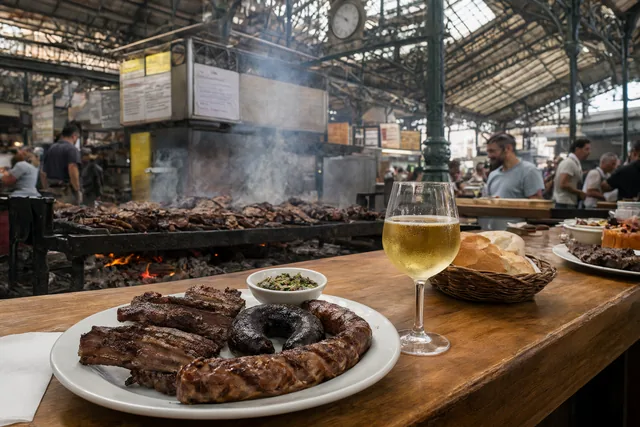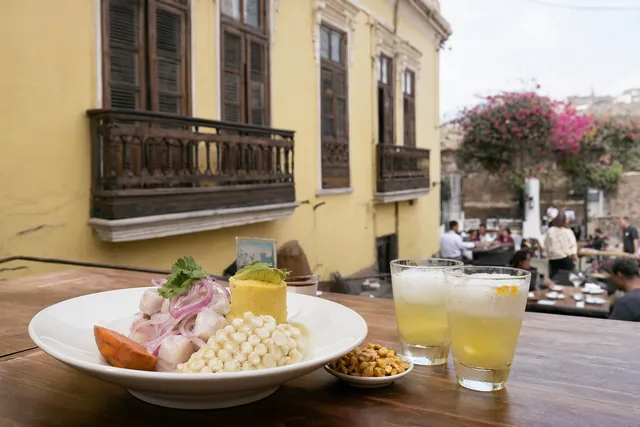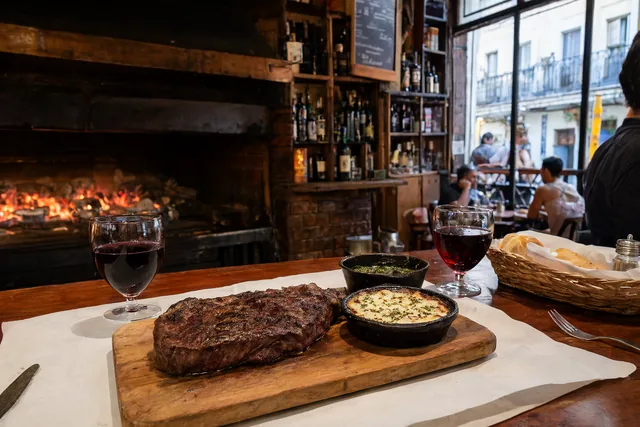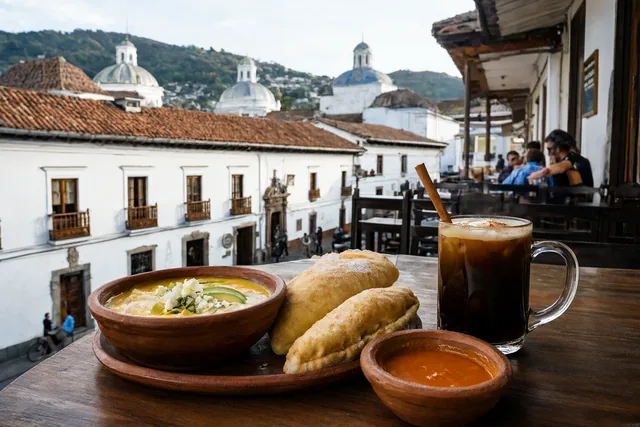
Chile is more than 4,000 kilometres long and only a few hundred wide, so its food runs from desert herbs in the far north to king crab and lamb in Patagonia, with one of the richest coastlines in the world in between. This Chile food guide covers the dishes to know, how to read a Chilean menu and its slang, how the suggested 10 percent tip works, and then where to eat in Santiago, Valparaíso, the Colchagua Valley wine country, Puerto Varas, Chiloé, San Pedro de Atacama and Punta Arenas. Expect superb seafood, generous home cooking, good-value wine and a national habit of putting avocado on almost everything.
What to eat in Chile: 12 dishes to know
These are the dishes you will see on Chilean menus, at markets and at family tables, with the region they belong to where it matters.
- Empanada de pino (everywhere): a large baked pastry filled with pino, beef and onion with a slice of hard-boiled egg, a black olive and raisins. On the coast, look for fried seafood and cheese empanadas.
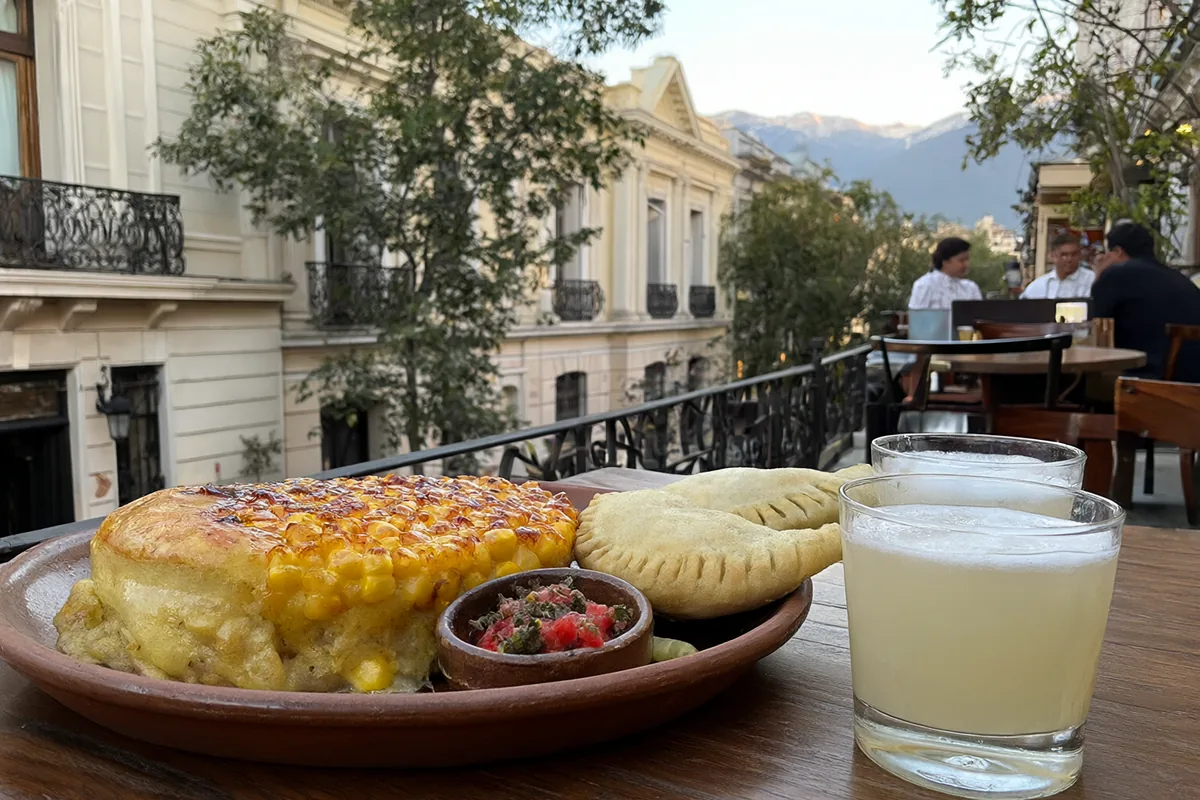
- Pastel de choclo (central Chile): a summer bake of pino and chicken under a thick layer of puréed sweetcorn, sprinkled with sugar and browned in a clay dish.
- Cazuela (everywhere): a clear, hearty soup with a large piece of beef or chicken on the bone, potato, pumpkin, rice and a wedge of corn on the cob.
- Completo (everywhere): Chile's hot dog, piled with toppings. The italiano comes with tomato, mashed avocado and mayonnaise, the colours of the Italian flag.
- Chacarero (Santiago): a thin beef steak sandwich with green beans, tomato and green chilli. The barros luco is steak with melted cheese.
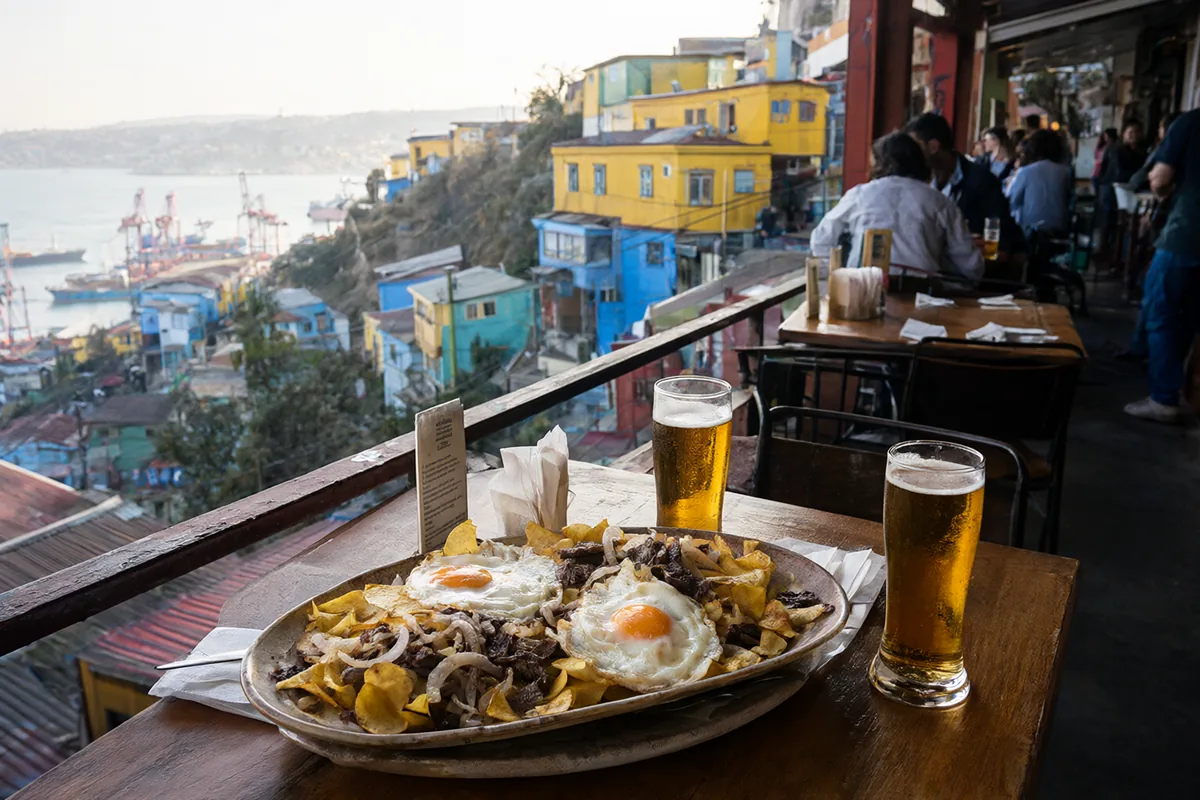
- Chorrillana (Valparaíso): a heap of chips topped with strips of beef, fried onions and fried eggs, made for sharing with beer.
- Machas a la parmesana (the coast): razor clams baked in their shells with white wine, butter and parmesan.
- Caldillo de congrio (the coast): conger eel soup with potatoes, tomato and coriander, so loved that the poet Pablo Neruda wrote an ode to it.
- Ceviche (the coast): the Chilean style uses finely diced white fish such as reineta or corvina, with lemon, onion, coriander and often green pepper.
- Curanto (Chiloé): shellfish, meats, potatoes and potato breads layered over hot stones in a pit and covered with large leaves to steam.
- Sopaipillas (central Chile): fried rounds of pumpkin dough, eaten from street carts with pebre, a fresh tomato, onion and coriander salsa, or soaked in dark sugar syrup on rainy days.
- Pisco sour and mote con huesillo (everywhere): the Chilean pisco sour is made with pisco, lemon and sugar, often without egg white. Mote con huesillo is a summer drink of dried peaches in syrup with husked wheat.
How to read a Chilean menu
Chilean Spanish is fast and full of local words, and menus use terms you will not find in a phrasebook. Many restaurants also have a cheap set lunch that is not always written on the main menu, so ask for it. Here are the words you will see most often.
| Spanish | Meaning |
|---|---|
| Entrada | Starter |
| Plato de fondo | Main course |
| Agregado / acompañamiento | Side dish, often ordered separately |
| Menú del día / colación | Set lunch: soup or starter, main, and dessert or a drink |
| Once | Afternoon tea with bread, ham, cheese and avocado, often instead of dinner |
| Palta | Avocado |
| Lomo / pollo / pescado / mariscos | Beef / chicken / fish / seafood |
| A lo pobre | Served with chips, fried onions and fried eggs |
| Al pil pil | Cooked in olive oil with garlic and chilli |
| Paila marina | Mixed seafood soup in a clay bowl |
| Pebre / ají | Fresh salsa / chilli sauce |
| Chop / schop | Draught beer |
| Agua de la llave | Tap water |
| Propina sugerida | Suggested tip (10 percent), shown on the bill |
"A lo pobre" means "poor man's style", but there is nothing modest about it: a steak or fish a lo pobre comes buried under chips, onions and two fried eggs. swap.menu explains terms like this when it reads the menu, so you know how much food is coming before you order.
Tipping and paying the bill
In Chile the bill usually shows a propina sugerida, a suggested tip of 10 percent, below the total. It is voluntary, but it is the norm, and almost everyone pays it unless the service was poor. When you pay by card, the waiter brings the card machine to the table and asks whether to include the tip ("¿le incluyo la propina?"). At counters, cafés and street stalls, tipping is not expected. Our guide to tax and service charges on menus explains how these lines work around the world.
Prices are in Chilean pesos, written with a $ sign and no cents, so menu prices run into thousands. Menu prices include IVA, the value added tax. Cards and contactless payments are accepted almost everywhere in the cities, but carry some cash for markets, street carts and small towns. When a card machine offers to charge you in your home currency, choose pesos: our guide to paying in local currency explains why.
Lunch is the main meal for many Chileans, from about 1 to 3pm, and the set lunch is the best value of the day. In the early evening many families have once, a light meal of bread, ham, cheese and tea, and restaurant dinners start around 8:30 or 9pm.
Where to eat in Chile, city by city
Most trips combine Santiago and the coast with a flight north to the desert or south to the lakes and Patagonia. Jump to a destination:
Where to eat in Santiago
Santiago's food markets are the best introduction to Chilean cooking. The Mercado Central, under a 19th-century cast-iron roof, is a working fish market with seafood restaurants around the edges and in the middle, serving paila marina, machas a la parmesana and caldillo de congrio. Across the Mapocho River, La Vega Central is a huge produce market with small, cheap cocinerías where market workers eat cazuela and the menú del día. Go at lunchtime and keep an eye on your belongings in the crowds.
For restaurants and bars, head to Barrio Lastarria, with its cafés and wine bars near Cerro Santa Lucía, Bellavista, the nightlife district below Cerro San Cristóbal, and Barrio Italia and Providencia, where locals eat out. Santiago's old-fashioned fuentes de soda, simple diners, are the place for a completo or a chacarero with a draught beer. Santiago is also the base for wine tasting in the Maipo and Casablanca valleys, both within easy reach for a day trip.
Where to eat in Valparaíso
Valparaíso, a port city of steep hills, colourful houses and old funicular lifts, is an hour and a half from Santiago and has its own food culture. It is the home of the chorrillana, the shared mountain of chips, beef, onion and egg, served in old bars and student hangouts all over the city. The restaurants and cafés on Cerro Alegre and Cerro Concepción have terraces with harbour views, and they are where you will find modern Chilean seafood cooking.
For fish straight off the boats, go to the Caleta Portales fishing cove, where stalls sell the catch and simple upstairs restaurants fry it. Next door, the beach city of Viña del Mar has seafront restaurants, and the coast road north to Concón is known for fried seafood empanadas, especially shrimp and cheese. Valparaíso's old bars, some more than a century old, are good for a terremoto, a sweet and strong mix of pipeño wine and pineapple ice cream.
Where to eat in the Colchagua Valley
The Colchagua Valley, about two and a half hours south of Santiago, is Chile's best-known red wine region, famous for Carmenère, a grape that was thought to have disappeared in France and turned up in Chilean vineyards. Many wineries serve lunch with views over the vines, from simple grills to long tasting menus, and the town of Santa Cruz is the base, with restaurants around its main square.
This is the heart of rural central Chile and huaso (cowboy) culture, so the food is countryside cooking: cazuela, pastel de choclo in summer, porotos granados (fresh bean stew with corn and pumpkin) and asado. If you are in the Colchagua Valley in autumn, the harvest festivals in March bring food stalls and folk dancing. Arrange a driver or tour if you plan to taste wine at several wineries.
Where to eat in Puerto Varas
Puerto Varas sits on Lake Llanquihue, facing the snow cone of the Osorno volcano, and was settled by German immigrants in the 19th century. That heritage shows in its bakeries and cafés, which serve kuchen, German-style fruit tarts made with raspberry, apple or murta, a small native berry. Restaurants in Puerto Varas serve salmon, lake trout, smoked meats and lamb, and the town is the most comfortable base in the Lake District.
Twenty minutes away, the port city of Puerto Montt has the Angelmó market, a waterfront strip of seafood stalls and cocinerías serving curanto en olla (cooked in a pot rather than a pit), paila marina and shellfish you may not recognise, such as picorocos, giant barnacles, and cholgas, large mussels. It is busy and informal, and one of the best seafood lunches in southern Chile.
Where to eat in Chiloé
The island of Chiloé, south of Puerto Montt, has a food culture all of its own, built on shellfish and potatoes. Chiloé grows hundreds of native potato varieties, and they appear in milcao and chapalele, potato breads and dumplings that are cooked inside the curanto. A true curanto al hoyo is cooked in a pit in the ground over hot stones and covered with large nalca leaves, and it is served at festivals, on tours and at some restaurants on set days.
In the island's capital, Castro, restaurants and cafés are built in the wooden stilt houses, the palafitos, over the water. The waterfront market at Dalcahue has a row of cocinerías serving curanto, cazuela de mariscos and empanadas, and it is busiest on Sundays. Try licor de oro, a local liqueur made from whey and spices, and the smoked mussels sold at markets all over Chiloé.
Where to eat in San Pedro de Atacama
San Pedro de Atacama is an adobe oasis town in the driest desert in the world, at about 2,400 metres. Its restaurants, mostly on and around Calle Caracoles, cook with Andean ingredients: quinoa, llama meat, native potatoes and corn, and desert herbs such as rica-rica, which flavours pisco sours, ice cream and sauces. Many have courtyards with open fires, which you will appreciate when the desert night turns cold.
Most restaurants in San Pedro de Atacama are aimed at visitors, so prices are higher than elsewhere in northern Chile, and set lunches are the best value. Try fruit and syrups made from chañar, a desert tree, and drink plenty of water at altitude. Tap water here is not recommended, so stick to bottled or filtered water.
Where to eat in Punta Arenas
Punta Arenas, on the Strait of Magellan, is the gateway to Chilean Patagonia and Torres del Paine. The two dishes to order are cordero magallánico, Patagonian lamb roasted on a spit beside an open fire, and centolla, southern king crab, served cold, in a gratin or in a chowder. Local legend says that anyone who eats the purple calafate berry will return to Patagonia, and you will find it in jams, ice cream and the calafate sour.
Restaurants in Punta Arenas are concentrated in the centre around the main square and along the waterfront, and the town of Puerto Natales, the base for Torres del Paine, has a good choice of restaurants serving lamb, guanaco and seafood. Prices are high in Patagonia, as many supplies travel long distances, and king crab is often priced by weight, so ask before ordering.
Vegetarian, vegan and allergy tips
Vegetarians in Chile can rely on avocado, sopaipillas with pebre, cheese empanadas, humitas (steamed corn parcels), porotos granados and salads, and Santiago and Valparaíso have plenty of vegetarian and vegan restaurants. Watch for hidden meat and seafood: beans and soups are often made with meat stock or pork, and many coastal dishes use shellfish broth. The word for vegetarian is vegetariano (or vegetariana), and vegan is vegano. The set lunch menú del día usually includes a vegetarian option if you ask.
Shellfish is everywhere on the Chilean coast, so people with shellfish allergies should ask about broths and sauces. Coeliacs should know that the word for gluten-free is sin gluten, and that packaged foods carry a gluten-free label. Our guide to eating abroad with food allergies explains how to explain an allergy clearly when you do not speak the language.
Useful Spanish phrases for ordering
Buenas tardes / Buenas noches "Good afternoon / Good evening", the polite way to greet staff
Una mesa para dos, por favor "A table for two, please"
¿Tiene menú del día? "Do you have a set lunch?"
¿Qué me recomienda? "What do you recommend?"
Quiero esto, sin picante "I would like this, not spicy"
Soy alérgico / alérgica a los mariscos "I am allergic to shellfish" (alérgico for a man, alérgica for a woman)
¿Me trae la cuenta, por favor? "Could you bring me the bill, please?"
Estaba muy rico, gracias "It was very good, thank you"
How swap.menu helps you eat in Chile
Chilean menus are full of local names, and many seafood restaurants list shellfish that have no common English name. Photograph the menu with swap.menu and every dish appears in your language with the Spanish name beside it and a short explanation, so you know that locos are a kind of Chilean abalone, that picorocos are giant barnacles, and that a barros luco is a steak and cheese sandwich. Every price is converted from Chilean pesos to your home currency, which helps when prices run into the thousands, and we point out the suggested tip line on the bill.
Tap the dishes you want, add a note such as "no shellfish" or "no egg, please", typed or spoken, and swap.menu translates your order into Spanish. Show the waiter your phone, or let them scan the QR code and read your order on their own screen. You can try it right now on a sample menu with the free demo, or see travel pass prices.
Off to Chile? Your first 3 menu scans are free, and a travel pass starts from $4.99 with nothing that renews.
Start free with 3 scansChile food FAQ
Do you tip in restaurants in Chile?
Yes. The bill usually shows a suggested tip of 10 percent, called the propina sugerida. It is voluntary but customary, and when you pay by card the waiter will ask whether to add it. Tipping is not expected at counters or street stalls.
What food is Chile famous for?
Chile is known for empanadas de pino, pastel de choclo, cazuela, the completo hot dog and superb seafood, including machas, king crab and conger eel soup. Chilean wine, especially Carmenère, and the pisco sour are the best-known drinks.
Is Chile expensive to eat out?
Chile is moderately priced by South American standards. The set lunch, completos, empanadas and market cocinerías are good value, while San Pedro de Atacama and Patagonia are noticeably more expensive. Chilean wine is good value almost everywhere.
Is tap water safe to drink in Chile?
Tap water in Santiago and most cities is treated and generally safe, though it is high in minerals and some visitors prefer bottled water. In the Atacama desert and remote rural areas, drink bottled or filtered water.
What time do Chileans eat dinner?
Lunch, from about 1 to 3pm, is the main meal. Many Chileans have once, a light meal of bread and tea, in the early evening, and restaurant dinners usually start around 8:30 or 9pm.
How can I read a Chilean menu if I do not speak Spanish?
Learn a few words such as plato de fondo, agregado, palta and a lo pobre, or photograph the menu with swap.menu. It translates every dish into your language, explains what it is, converts prices from pesos to your currency and translates your order back into Spanish for the waiter.
Travelling further in South America? Read our food guides for neighbouring countries:
Or browse every travel food guide.