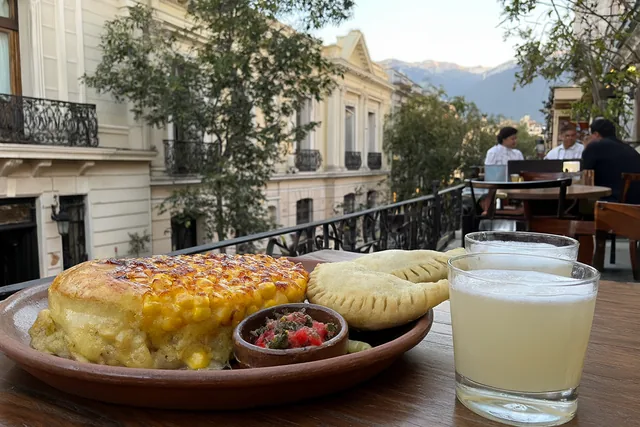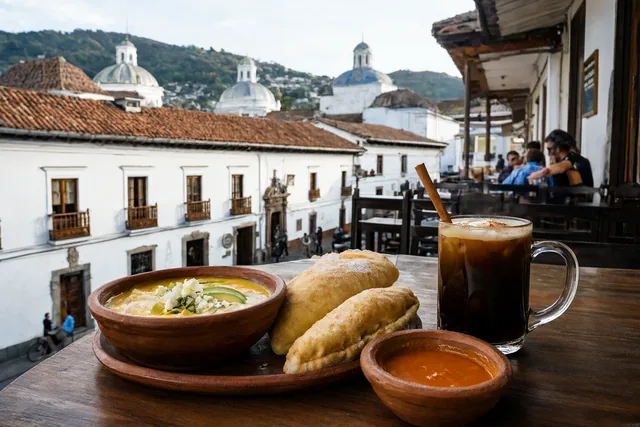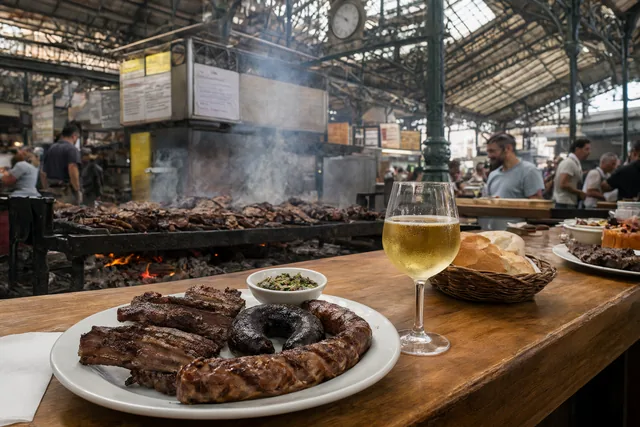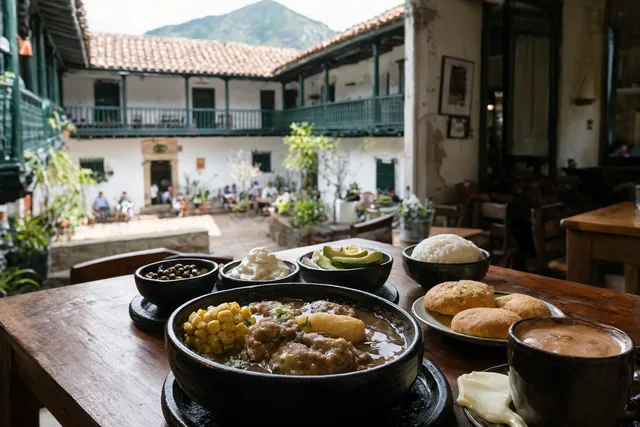
Peru has become one of the great food destinations of the world, and for good reason: the Pacific coast, the Andes and the Amazon give it an extraordinary range of ingredients, and Spanish, African, Chinese and Japanese immigrants have all left their mark on the cooking. This Peru food guide covers the dishes to know, how to read a Peruvian menu and order the cheap set lunch, how tipping and tax work, and then where to eat in Lima, Cusco, Arequipa, Puno, Trujillo, Chiclayo and Iquitos. Ceviche and pisco sours are only the beginning.
What to eat in Peru: 12 dishes to know
These are the dishes worth seeking out, with the city or region they belong to. Peruvians are very proud of their food, so asking a waiter or market cook for their favourite is a good way to start a conversation.
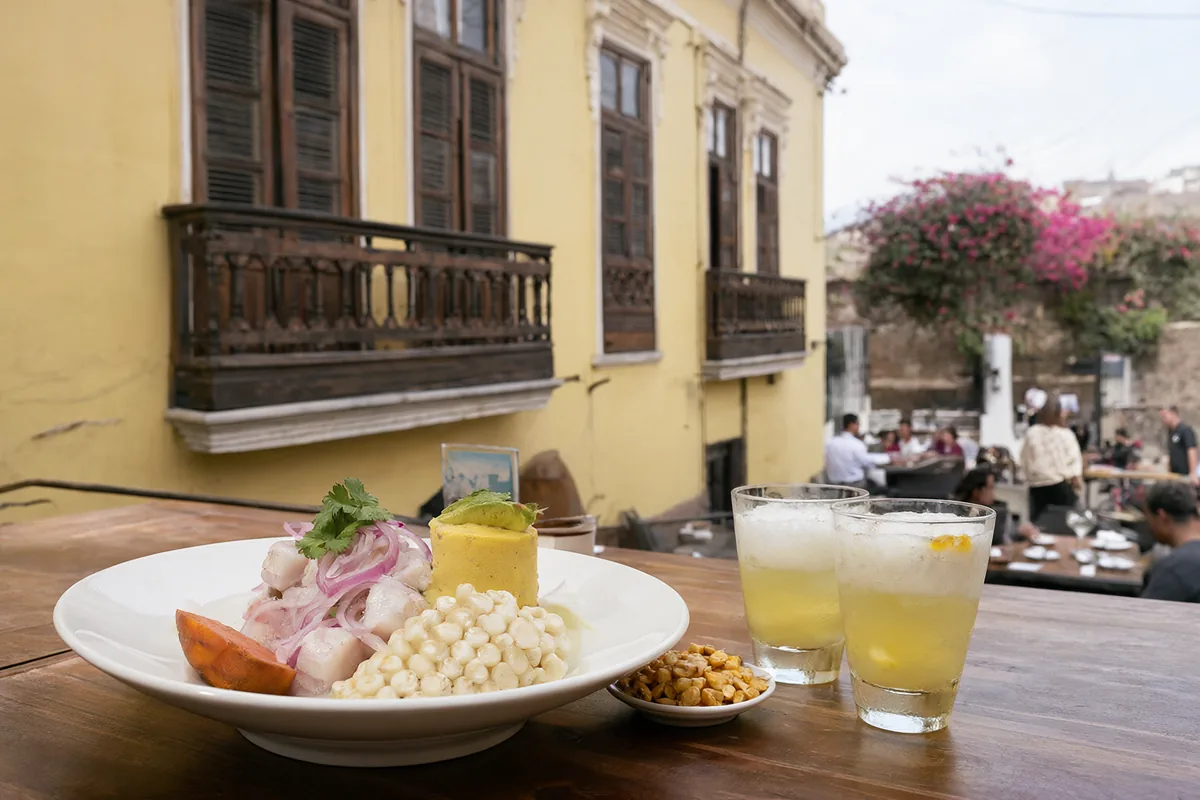
- Ceviche (the coast): raw white fish "cooked" in lime juice with red onion, chilli and coriander, served with sweet potato (camote) and large-kernel corn. The juice left on the plate, leche de tigre, is drunk as a pick-me-up.
- Lomo saltado (everywhere): beef stir-fried in a wok with onion, tomato, soy sauce and vinegar, served with both chips and rice. A Chinese-Peruvian classic.
- Ají de gallina (Lima): shredded chicken in a creamy sauce of yellow chilli (ají amarillo), bread, milk and nuts, with rice, potato and olives.
- Causa limeña (Lima): a cold layered terrine of mashed yellow potato seasoned with lime and ají, filled with chicken, tuna or crab and avocado.
- Anticuchos (Lima and everywhere): skewers of marinated beef heart grilled over charcoal, sold from street carts in the evening. Tender and smoky.
- Papa a la huancaína (everywhere): boiled potatoes in a creamy, mildly spicy sauce of fresh cheese and ají amarillo, often served as a starter.
- Pollo a la brasa (everywhere): rotisserie chicken marinated with spices and cooked over charcoal, served with chips, salad and creamy sauces. Peru's favourite family meal.
- Arroz chaufa (everywhere): Chinese-Peruvian fried rice, the signature dish of the chifa, as Peru's Chinese restaurants are called.
- Rocoto relleno (Arequipa): a rocoto pepper stuffed with beef, onions, raisins and olives, topped with cheese and baked. It can be very hot.
- Cuy (the Andes): guinea pig, roasted whole (al horno) in Cusco or flattened and fried (chactado) in Arequipa. A traditional Andean festive food.
- Juane (the Amazon): rice seasoned with turmeric, with chicken, egg and olives, wrapped in a leaf and boiled. Eaten especially at the San Juan festival in June.
- Pisco sour and chicha morada (everywhere): the Peruvian pisco sour is shaken with lime, sugar and egg white. Chicha morada is a sweet, non-alcoholic drink made from purple corn with pineapple and spices.
How to read a Peruvian menu
Peruvian menus are in Spanish, often with Quechua words for Andean ingredients and Chinese and Japanese words in chifa and Nikkei restaurants. At lunchtime, look for a chalkboard by the door advertising the menú, a set lunch. Here are the words you will see most often.
| Spanish | Meaning |
|---|---|
| Menú | Set lunch: a starter or soup, a main (segundo) and a drink, very cheap |
| Entrada / segundo | Starter / main course |
| Cebiche / ceviche | Raw fish cured in lime, spelt both ways |
| Leche de tigre | The spicy citrus marinade from ceviche, served in a glass |
| Tiradito | Thinly sliced raw fish in a chilli and lime sauce, no onion |
| Saltado | Stir-fried in a wok |
| Sudado / chupe | Fish steamed in a spicy broth / a creamy chowder |
| Chicharrón | Fried pork or fried pieces of fish or squid |
| Chaufa / tallarín saltado | Fried rice / stir-fried noodles |
| A lo macho | With a spicy seafood sauce on top |
| Ají / picante | Chilli / spicy |
| Choclo / cancha / camote | Large-kernel corn / toasted corn kernels / sweet potato |
| Combinado | A combination plate, often two or three dishes on one plate |
| Postre | Dessert |
"Picante" on a Peruvian menu does not always mean a fiery dish: in Arequipa a picante is also a type of stew, and a picantería is a traditional lunch house. swap.menu explains local dish names like these when it reads the menu, and tells you which dishes are likely to be hot.
Tipping, tax and paying the bill
Menu prices in Peru should include IGV, the general sales tax. Some upmarket restaurants also add a service charge, sometimes called a recargo al consumo, which should be stated on the menu. Where no service charge is added, a tip of about 10 percent is normal in sit-down restaurants in Lima and the tourist areas. In cheap menú places, markets and street stalls, tipping is not expected, though leaving the coins is appreciated. Our guide to tax and service charges on menus explains how these lines work around the world.
The currency is the Peruvian sol, written S/. Cards are accepted in restaurants in Lima, Cusco and Arequipa, but markets, street food, menú restaurants and anything in small towns or the Amazon need cash, and small notes and coins are always useful. If a card machine offers to charge you in your home currency, choose soles: our guide to paying in local currency explains why.
Lunch, from about 1 to 3pm, is the main meal of the day. Ceviche is traditionally a lunch dish, eaten when the fish is freshest, and many cevicherías close in the late afternoon. Dinner starts around 8pm, and street food stalls such as anticucho carts come out after dark.
Where to eat in Peru, city by city
Each region of Peru has its own cooking, from coastal seafood to Andean stews and Amazon fish. Jump to a city:
Where to eat in Lima
Lima is often called the food capital of South America, and it is the reason many people visit Peru. The city's top tasting-menu restaurants regularly appear on international best-restaurant lists and book out weeks ahead, but some of the best eating in Lima is far cheaper. Go to a cevichería at lunchtime for ceviche, tiradito and chicharrón de pescado, eat lomo saltado at a neighbourhood restaurant, and look for huariques, the small, unpretentious places locals swear by. For Chinese-Peruvian food, head to the Barrio Chino around Calle Capón in the historic centre, and look out for Nikkei restaurants, which blend Japanese technique with Peruvian ingredients.
Most visitors stay in Miraflores, which has a huge choice of restaurants, cafés and pisco bars, and Barranco, the bohemian clifftop district next door, where restaurants and bars fill old mansions. San Isidro is quieter and smarter. Across from Miraflores, the Mercado de Surquillo is a classic produce market with ceviche counters and juice stalls, and it is the place to see the extraordinary variety of Peruvian potatoes, chillies and fruits. In the evening, look for anticucho stalls and picarones, sweet potato and squash doughnuts drizzled with molasses syrup.
Where to eat in Cusco
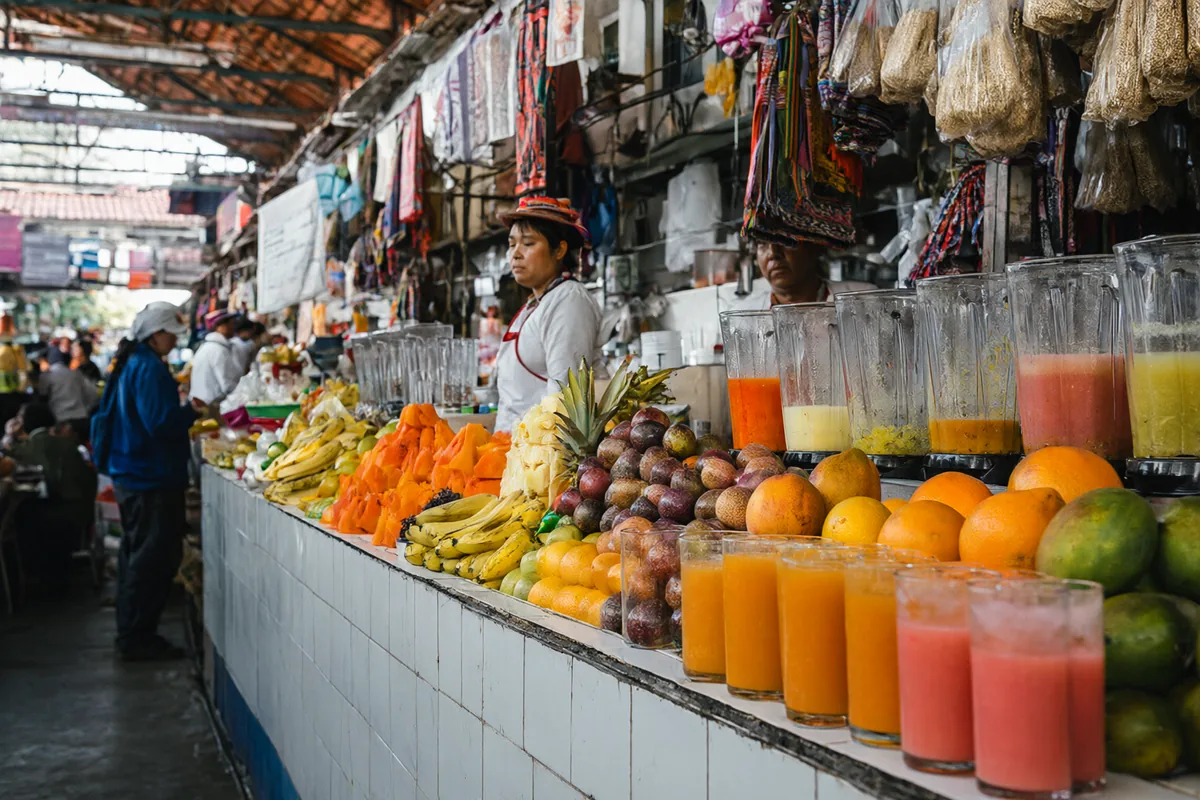
Cusco, the old Inca capital at about 3,400 metres, is the base for Machu Picchu and the Sacred Valley, and its food is Andean: quinoa soups, alpaca steaks, river trout, potatoes in dozens of varieties, and cuy al horno, roast guinea pig, which is a festive dish rather than an everyday one. The Mercado San Pedro is the place to eat cheaply and well, with rows of juice stalls blending fresh fruit to order, soup counters and stalls selling bread, cheese and chocolate. Go in the morning, and keep your belongings close.
Restaurants around the Plaza de Armas cater to visitors and charge accordingly. Walk uphill to the San Blas neighbourhood for cafés and smaller restaurants, or look for a chichería, a traditional house selling chicha de jora, fermented corn beer, often marked by a pole with a red flag or bag outside the door. At Corpus Christi in June, Cusco eats chiriuchu, a cold platter of guinea pig, chicken, sausage, seaweed, fish roe and corn cakes. At altitude, eat lightly on your first day and drink coca tea, which is sold everywhere in Cusco.
Where to eat in Arequipa
Arequipa, Peru's second city, built from white volcanic stone, has its own proud cuisine, and the place to eat it is a picantería. These traditional lunch houses open in the daytime only and serve rocoto relleno with a potato and cheese bake, chupe de camarones, a rich chowder of river shrimp, milk and cheese, and cuy chactado, fried guinea pig. Many picanterías follow a tradition of a different soup for each day of the week, and on Sunday mornings Arequipa eats adobo, a pork stew marinated in chicha and spices.
The Mercado San Camilo is a large covered market with juice stalls and lunch counters. Look for queso helado, which despite its name is not cheese but a creamy cinnamon ice cream sold in the streets of Arequipa, and ocopa, potatoes in a sauce of huacatay (black mint) and peanuts. Restaurants around the Plaza de Armas and the Santa Catalina monastery are aimed at visitors, but the picanterías in the districts around the centre are where Arequipeños eat.
Where to eat in Puno
Puno sits on the shore of Lake Titicaca at about 3,800 metres, and the dish to order is trucha, lake trout, fried, grilled or in a ceviche. The cooking is hearty high-altitude food: quinoa soup, alpaca, chairo (a beef and vegetable soup with chuño, freeze-dried potato) and dishes made with native grains such as cañihua. Restaurants line Jirón Lima, the pedestrian street off the main square.
Many visitors to Puno stay overnight with families on the lake islands of Amantaní or Taquile, where simple home meals of soup, potatoes, fresh cheese and herbal tea are part of the stay. In February, Puno hosts the Fiesta de la Candelaria, one of the biggest festivals in South America, with food stalls across the city. Nights are freezing, so a bowl of soup is the best way to end the day.
Where to eat in Trujillo
Trujillo, on the north coast, is a colonial city near the ruins of Chan Chan, and northern Peruvian cooking is generous and bold. Try cabrito a la norteña, young goat stewed with coriander and chicha, and shambar, a thick soup of wheat, beans and pork traditionally eaten on Mondays. The northern ceviche is often made with stronger flavours and served with fried fish and yucca.
The beach town of Huanchaco, just outside Trujillo, is where the fishermen still go out in caballitos de totora, traditional reed boats. Its seafront restaurants serve ceviche, fried fish and seafood rice at lunchtime, with a view of the boats drying on the sand. It is a relaxed place to stay and an easy taxi ride from Trujillo.
Where to eat in Chiclayo
Chiclayo, further north, is known across Peru for arroz con pato, rice cooked green with coriander and dark beer, served with duck, and for cabrito. The Lambayeque region is also home to the King Kong, a huge layered biscuit filled with manjar blanco (milk caramel) and fruit paste, sold in boxes as a gift, and to chinguirito, a ceviche made with dried guitarfish.
The Mercado Modelo in Chiclayo is a sprawling market with food stalls and a famous section selling herbs and traditional remedies. For seafood, locals head to the beach at Pimentel, where restaurants serve ceviche by the pier. Chiclayo is also the base for the Lord of Sipán museum in Lambayeque, so a long lunch there fits well into a day of sightseeing.
Where to eat in Iquitos
Iquitos is the largest city in the world that cannot be reached by road, and it is the gateway to the Peruvian Amazon. Its food is built on river fish, plantains and jungle fruit. Order juane, tacacho con cecina (fried green plantain mashed with pork fat, served with smoked pork), paiche, a huge river fish, and patarashca, fish wrapped in leaves and grilled. Juices of camu camu and aguaje, Amazon fruits, are everywhere.
The Mercado de Belén, in the river district of the same name, is a chaotic, fascinating market selling fish, smoked meats, grilled grubs (suri) and medicinal plants; go with a guide and leave valuables at your hotel. In the evening, the riverfront boulevard in Iquitos has restaurants and bars with views of the Amazon. Lodges outside the city usually include all meals in the price.
Vegetarian, vegan and allergy tips
Peru is easier for vegetarians than you might expect. Potatoes, corn, quinoa and beans are the base of Andean cooking, papa a la huancaína, causa and quinoa dishes are widely available, and Lima and Cusco have many vegetarian restaurants. Watch for hidden meat: soups are often made with chicken or beef stock, and the cheap menú almost always includes meat unless you ask. The word for vegetarian is vegetariano (or vegetariana), and vegan is vegano. Some restaurants offer a vegetarian lomo saltado with mushrooms.
For allergies, nuts and peanuts appear in ají de gallina, ocopa and many sauces, seafood is everywhere on the coast, and fresh cheese is in many Andean dishes. Our guide to eating abroad with food allergies explains how to explain an allergy clearly when you do not speak the language. If you are sensitive to spice, ask for sauces on the side.
Useful Spanish phrases for ordering
Buenos días / Buenas tardes "Good morning / Good afternoon", the polite way to greet staff
¿Cuál es el menú de hoy? "What is today's set lunch?"
¿Qué me recomienda? "What do you recommend?"
¿Pica mucho? "Is it very spicy?"
Sin ají, por favor "No chilli, please"
Soy alérgico / alérgica a... "I am allergic to..." (alérgico for a man, alérgica for a woman)
La cuenta, por favor "The bill, please"
Estuvo delicioso, gracias "It was delicious, thank you"
How swap.menu helps you eat in Peru
Peruvian menus mix Spanish with Quechua, Chinese and Japanese words, and dish names rarely tell you what is in them. Photograph the menu with swap.menu and every dish appears in your language with the original name beside it and a short explanation, so you know that anticuchos are beef heart, that chupe is a creamy chowder and that cuy is guinea pig before you order it. Every price is converted from soles to your home currency, and we point out any service charge and which dishes are likely to be spicy.
Tap the dishes you want, add a note such as "no chilli" or "no nuts, please", typed or spoken, and swap.menu translates your order into Spanish. Show the waiter your phone, or let them scan the QR code and read your order on their own screen. You can try it right now on a sample menu with the free demo, or see travel pass prices.
Off to Peru? Your first 3 menu scans are free, and a travel pass starts from $4.99 with nothing that renews.
Start free with 3 scansPeru food FAQ
Do you tip in restaurants in Peru?
A tip of about 10 percent is normal in sit-down restaurants in Lima and tourist areas when no service charge has been added. Tipping is not expected at markets, street stalls or cheap set lunch places, though leaving small change is appreciated.
What food is Peru most famous for?
Ceviche is Peru's national dish, followed by lomo saltado, ají de gallina, causa, anticuchos and pollo a la brasa. The pisco sour is the national cocktail, and Peru is also known for its Chinese-Peruvian chifa and Japanese-Peruvian Nikkei cooking.
Is Peru expensive to eat out?
Eating out in Peru can be very cheap: the set lunch called the menú costs very little, and markets and street food are good value. Lima's famous tasting-menu restaurants are expensive by any standard, and tourist restaurants in Cusco charge more than local places.
Is tap water safe to drink in Peru?
No. Tap water is not considered safe to drink anywhere in Peru, so use bottled, boiled or filtered water, including for brushing your teeth if you have a sensitive stomach. Reputable restaurants use purified water for ice and ceviche preparation.
Which city in Peru is best for food?
Lima is the best city for food in Peru, with everything from cevicherías to world-famous restaurants. Arequipa is excellent for traditional picanterías, Cusco for Andean cooking, and Iquitos for Amazon dishes. Each city in this guide has its own section on where to eat.
How can I read a Peruvian menu if I do not speak Spanish?
Learn a few words such as menú, segundo, saltado and picante, or photograph the menu with swap.menu. It translates every dish into your language, explains what it is, converts prices from soles to your currency and translates your order back into Spanish for the waiter.
Travelling further in South America? Read our food guides for neighbouring countries:
Or browse every travel food guide.