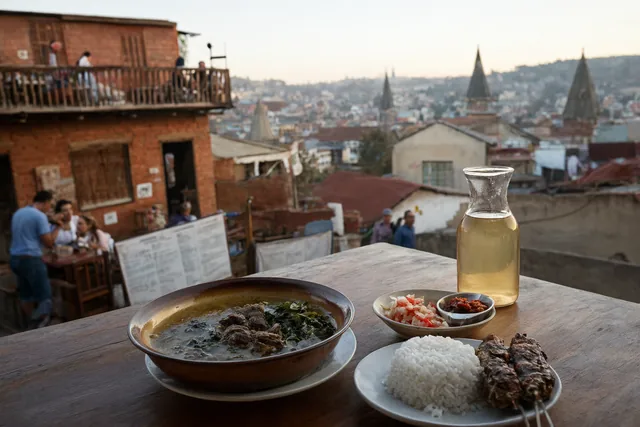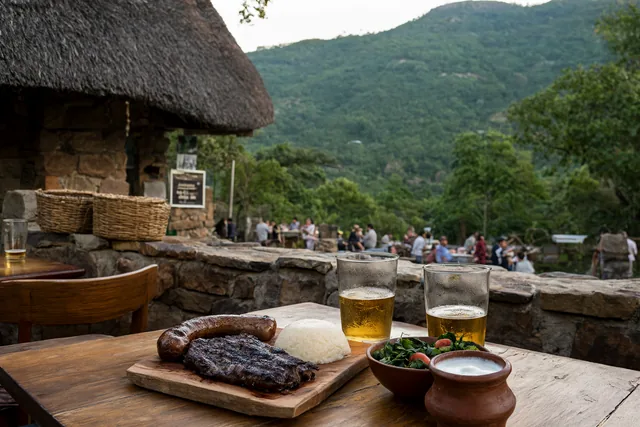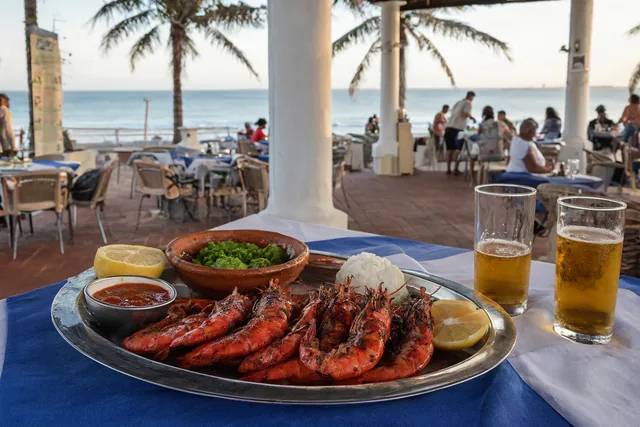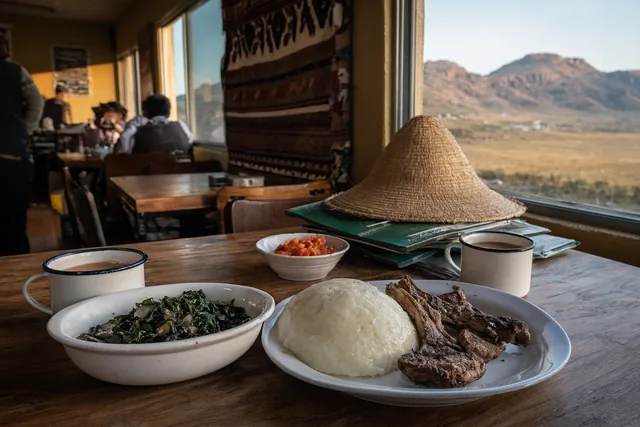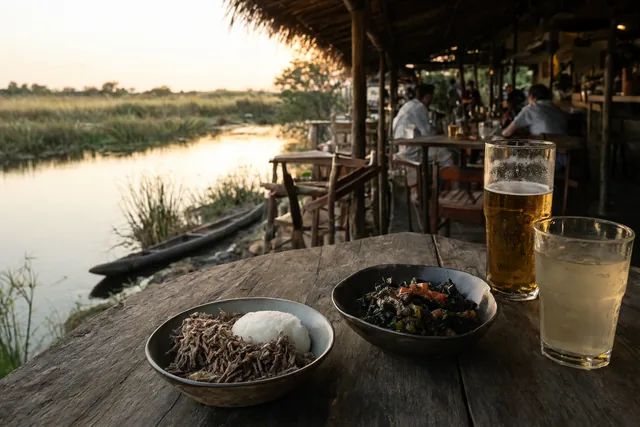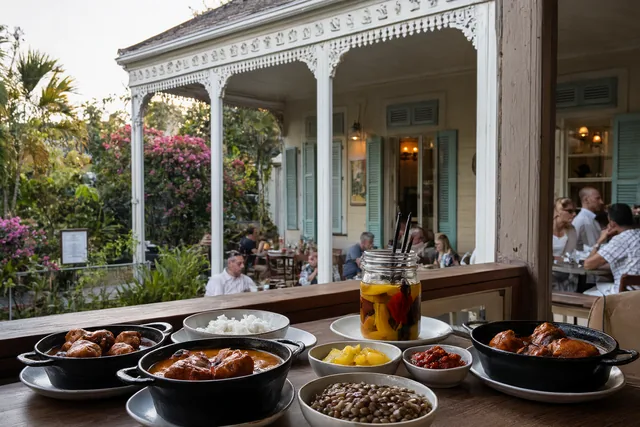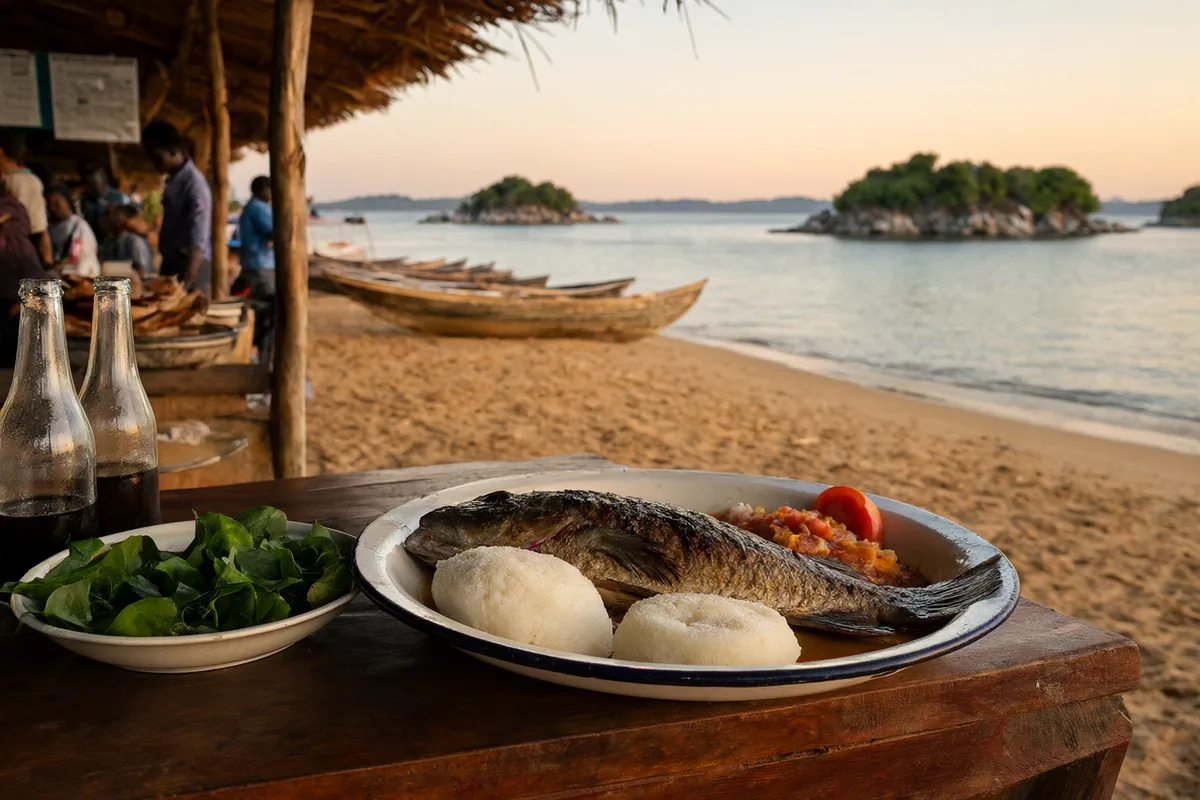
Malawi calls itself "the warm heart of Africa", and much of its food comes from the vast freshwater lake that fills a third of the country. Chambo, a tilapia found only in Lake Malawi, grilled whole and served with nsima, the stiff maize porridge, is the meal most visitors remember. Add tiny dried usipa, greens cooked in groundnut flour, roadside fritters and some of Africa's best tea, and there is plenty to explore. This Malawi food guide covers the dishes to know, the Chichewa words on menus, tipping and paying in kwacha, and where to eat in Lilongwe, Blantyre, Zomba, Cape Maclear, Nkhata Bay and the north, and Liwonde.
What to eat in Malawi: 12 dishes to know
A Malawian meal is nsima plus ndiwo, the relish of fish, meat, beans or greens. Malawians often say that if they have not eaten nsima, they have not eaten. These are the dishes to look out for.
- Nsima (everywhere): white maize flour cooked into a stiff porridge, shaped into smooth lumps with a wooden paddle and eaten with the right hand. It is the centre of almost every lunch and dinner.
- Chambo (Lake Malawi): the lake's famous tilapia, grilled or fried whole and served with nsima or chips and a tomato relish. Lake stocks have fallen, so it is often more expensive than other fish.
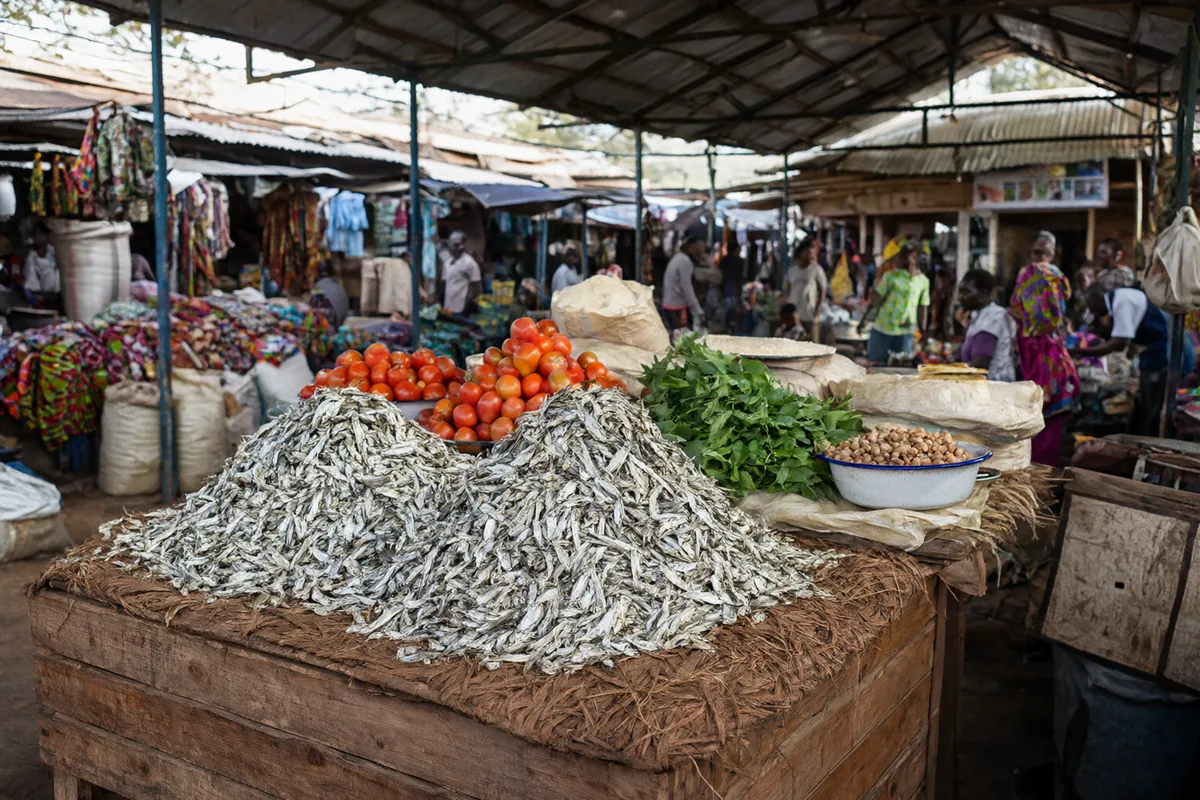
- Usipa (the lakeshore, sold everywhere): small sardine-like fish, dried on racks along the beaches and fried or stewed with tomato and onion.
- Kampango and mpasa (Lake Malawi): kampango is a large lake catfish, often stewed or grilled, and mpasa, sometimes called lake salmon, is a prized fish from the rivers that feed the lake.
- Ndiwo of greens (everywhere): leafy relishes made from mkhwani (pumpkin leaves), mpiru (mustard greens), bonongwe (amaranth) or rape, often simply cooked with tomato and onion.
- Nsinjiro relishes (everywhere): greens or vegetables cooked with nsinjiro, pounded groundnut flour, which makes a thick, nutty sauce. Pumpkin leaves with nsinjiro are a classic.
- Therere (everywhere): okra cooked into a slippery relish, sometimes with bicarbonate of soda to make it smoother.
- Kondowole (the north and lakeshore): nsima made from cassava flour instead of maize, stretchier and slightly sour, eaten with fish around Nkhata Bay and Likoma.
- Nkhuku and nyama (everywhere): chicken, especially free-range "village chicken", and meat, usually goat or beef, stewed with tomato or grilled at roadside stalls.
- Mandasi and zitumbuwa (everywhere): mandasi are fried dough buns sold at breakfast with tea, and zitumbuwa are fritters made with mashed banana and maize flour.
- Thobwa (everywhere): a thick, sweet and slightly sour drink made from fermented maize or millet, usually non-alcoholic, sold in villages and markets.
- Malawi tea (Thyolo and Mulanje): tea from the estates of the south, among the oldest in Africa, served strong and sweet with milk everywhere, or as a pot in the tea gardens of the estates themselves.
How to read a menu in Malawi
English is Malawi's official language and restaurant and lodge menus are in English. Local restaurants and roadside eateries, though, often have no printed menu and use Chichewa words for dishes and relishes, and Chichewa is spoken across most of the country (Tumbuka is common in the north). These are the terms you are likely to meet.
| Term | Language | Meaning |
|---|---|---|
| Nsima | Chichewa | Stiff maize porridge, the staple |
| Ndiwo | Chichewa | Relish: whatever is served with nsima |
| Nsomba | Chichewa | Fish |
| Nkhuku | Chichewa | Chicken |
| Nyama | Chichewa | Meat, usually goat or beef |
| Nyemba | Chichewa | Beans |
| Chambo | Chichewa | Lake Malawi tilapia |
| Usipa | Chichewa | Small dried lake fish |
| Mkhwani | Chichewa | Pumpkin leaves |
| Mpiru | Chichewa | Mustard greens |
| Nsinjiro | Chichewa | Pounded groundnut flour used in relishes |
| Therere | Chichewa | Okra relish |
| Kondowole | Tumbuka and Tonga | Cassava nsima |
| Mandasi | Chichewa | Fried dough buns |
In local restaurants, the price of "nsima with" a relish depends on the relish: beans and greens are cheapest, chicken and goat cost more, and chambo is often the most expensive thing on the board. If dishes are listed in Chichewa, swap.menu explains each one and converts the kwacha price to your home currency.
Tipping, tax and paying the bill in Malawi
Tipping is appreciated in Malawi but not automatic. In tourist restaurants and hotels, around 10 percent is a generous tip for good service, and at lodges a shared tip box for staff is common. At local eateries and markets, tipping is not expected. VAT is included in menu prices, and some hotels add a service charge, so check the bill. Our guide to tax and service charges on menus explains how these lines work around the world.
The currency is the Malawi kwacha (MWK), written K on menus. Prices can change quickly, and many lodges and tour operators quote in US dollars. Malawi is largely a cash economy: cards are accepted at larger hotels, lodges, supermarkets and some restaurants in Lilongwe and Blantyre, but markets, local restaurants and most lakeshore guesthouses take cash only. ATMs in the main towns accept foreign Visa cards, and Malawians use mobile money widely. Carry small notes. When a card machine offers to charge you in your home currency, decline: our guide to paying in local currency explains why that costs more.
Malawi keeps early hours. Lunch is from about 12pm to 2pm, and dinner from around 6:30pm. Outside the cities, restaurants and lodges may need notice for dinner, especially if you want chambo, so order in the afternoon.
Where to eat in Malawi, town by town
Malawi is small and long, and most trips combine one of the cities with a stretch of the lakeshore and a national park. Jump to a destination:
Where to eat in Lilongwe
Lilongwe, the capital, is spread out and green, with separate "areas" rather than a single centre, and most visitors spend their time in Old Town. This is where you find cafés, Indian and Chinese restaurants, bakeries, a craft market and the main Lilongwe market by the river, which is the best place in the city to see dried usipa, beans, groundnuts, fresh greens and nsima canteens. Local restaurants around the market and the bus depot serve nsima with chicken, beef, beans or fish at lunchtime, and roadside grills sell skewers of meat in the evening.
The newer City Centre district, near Capital Hill, and the shopping malls on the main roads have supermarkets, coffee shops, grills and international restaurants that cater to government workers, aid organisations and business travellers. Lilongwe is a good place to try chambo before you reach the lake, and the place to stock up on supplies, cash and snacks before heading for the lakeshore or the parks. Restaurants in Lilongwe close early, so plan dinner from about 7pm.
Where to eat in Blantyre
Blantyre, in the south, is Malawi's commercial capital and its oldest city, founded by Scottish missionaries in the nineteenth century. It has a larger Indian community than the capital, and some of the best curries and samosas in the country. The Blantyre market and the market in neighbouring Limbe are large and busy, with produce from the surrounding hills, dried fish, and small eateries serving nsima and relishes. Blantyre's city centre and the suburbs around it have cafés, grills and restaurants serving everything from pizza to chambo.
Blantyre is also the base for the tea country of Thyolo and Mulanje, where green estates cover the slopes below Mount Mulanje. Some estates offer tours, tastings and lodges with afternoon tea on the veranda, which is one of the most pleasant ways to spend a day in southern Malawi. Mulanje is also a major hiking area, and the town of Mulanje has simple eateries and a market for hikers stocking up.
Where to eat in Zomba
Zomba, Malawi's colonial capital, sits at the foot of the Zomba Plateau, and is a relaxed university town with old buildings and plenty of trees. The Zomba market is one of the best in Malawi, a big, covered market full of fruit, vegetables, dried fish, spices, groundnuts and bundles of greens, with stalls selling mandasi and fried snacks. Local restaurants in town serve nsima with village chicken, beans and greens.
The road up the Zomba Plateau leads to forests, waterfalls and viewpoints, and in season roadside sellers offer fresh berries and fruit grown on the cool plateau. A few lodges and cafés on top serve meals with views over the Shire Highlands. Zomba is an easy stop between Blantyre and Liwonde or the southern lakeshore, and a good place to break a long drive with lunch.
Where to eat in Cape Maclear
Cape Maclear, on a peninsula at the southern end of Lake Malawi, is the lake's best-known beach destination, inside Lake Malawi National Park, a UNESCO World Heritage Site famous for its brightly coloured cichlid fish. The village of Chembe runs along the beach, with fishermen pulling up dugout canoes, racks of usipa drying in the sun, and lodges and simple restaurants serving grilled chambo, kampango, usipa and nsima with tomato relish, alongside pasta and pizza for backpackers.
Many lodges in Cape Maclear organise kayak and boat trips to the nearby islands, often with a fish lunch cooked on the shore, and some local families offer meals in their homes, which is a good way to eat village food and support the community. Chambo is best ordered in advance, so the lodge can buy it fresh from the fishermen. The nearby towns of Monkey Bay and Mangochi have markets and supplies, and Mangochi has a strong Yao and Muslim culture, with samosas and spiced snacks at its market.
Where to eat in Nkhata Bay and the north
Nkhata Bay, a small harbour town on the northern lakeshore, is a favourite of backpackers for its rocky coves, clear water and relaxed lodges. Food here is simple and centred on fish: grilled chambo, usipa and other lake fish served with nsima or kondowole, the cassava nsima of the north. The town market sells cassava, fish, fruit and vegetables, and lodges cook a mix of local and international dishes.
Inland, Mzuzu is the main city of the north and the centre of Malawi's coffee country, with coffee grown on the hills around it and sold at local cafés. Out on the lake, Likoma Island, reached by the long-running lake ferry or by small plane, has a handful of lodges and guesthouses, a huge old cathedral and a diet of fish, cassava and mangoes. Supplies are limited in the north, so carry snacks and cash for long road days.
Where to eat in Liwonde
Liwonde National Park, on the Shire River south of the lake, is Malawi's best-known wildlife park, with elephants, hippos and boat safaris along the river. Eating here means eating at your lodge or camp: most are full board, with breakfast before the morning activity, lunch during the heat of the day, afternoon tea, sundowners on a boat or a drive, and dinner on a deck over the river or around a fire. Tell the lodge about any dietary needs when you book.
The town of Liwonde, on the main road at the bridge over the Shire River, has markets selling fish from the river and nearby Lake Malombe, plus simple local restaurants and fuel. Further south, Majete Wildlife Reserve has a small number of lodges and a campsite. Tipping at lodges is usually done through a staff tip box at the end of your stay, with a separate tip for your guide.
Vegetarian, vegan and allergy tips
Malawi is relatively easy for vegetarians. Nsima with beans (nyemba), pumpkin leaves, mustard greens, okra or relishes made with nsinjiro is a full vegetarian meal, and usually vegan too. Watch for dried usipa or a little meat stock added for flavour, and remember that "ndiwo" means any relish, not just vegetables. "Vegetarian" is understood in restaurants and lodges; at local eateries, say "no meat, no fish". Lodges cater well if told in advance.
Groundnuts are the main hidden allergen: nsinjiro is pounded groundnut flour and goes into many vegetable relishes, and groundnuts are a common snack. Maize is in nearly everything, and cassava replaces it in the north. Our guide to eating abroad with food allergies explains how to make an allergy clear when the cook does not share your language.
Useful Chichewa phrases and ordering terms
English works in restaurants and lodges, but a few words of Chichewa are warmly received everywhere in Malawi.
Moni / Muli bwanji? "Hello" / "How are you?", the usual greeting before anything else
Ndili bwino, kaya inu? "I am fine, and you?", the reply to muli bwanji
Nsima ndi chambo, please How to order the classic lakeshore meal
Ndikufuna... "I want...", followed by the dish
Ndi zingati? "How much is it?"
No nsinjiro, please Ask for greens without groundnut flour if you have a peanut allergy
Zikomo / Zikomo kwambiri "Thank you" / "Thank you very much"; zikomo also means "please" and "excuse me"
How swap.menu helps you eat in Malawi
Malawian menus are in English, but the local dishes are where visitors hesitate: is mkhwani a fish or a vegetable, what is nsinjiro, and why is chambo so much more expensive than usipa? Photograph the menu with swap.menu and every dish gets a short explanation, so you know kondowole is cassava nsima before it arrives. Every kwacha price is converted to your home currency, which helps when prices change fast and lodges quote in US dollars.
Visitors from non-English-speaking countries can read the whole menu in their own language, in any of 29 languages, and add notes such as "no groundnuts" or "no dried fish", typed or spoken, that appear on the waiter's screen in English. You can save the menus of lodges and restaurants you liked along the lake. Try it on a sample menu with the free demo, or see travel pass prices.
Off to Malawi? Your first 3 menu scans are free, and a travel pass starts from $4.99 with nothing that renews.
Start free with 3 scansMalawi food FAQ
Do you tip in restaurants in Malawi?
Tipping is appreciated but not expected at local eateries. In tourist restaurants and hotels, around 10 percent is generous for good service, and lodges usually have a shared tip box for staff.
What food is Malawi famous for?
Malawi is famous for chambo, a tilapia found only in Lake Malawi, served with nsima, the stiff maize porridge eaten at nearly every meal. Dried usipa fish, greens cooked with groundnut flour and tea from Thyolo and Mulanje are also well known.
Is it expensive to eat out in Malawi?
Local food is very cheap, and lakeshore lodges and city restaurants are inexpensive by international standards. Imported food and drinks cost more, and safari lodges are the most expensive places to eat, though meals are usually included.
Is tap water safe to drink in Malawi?
No, visitors should not drink tap water in Malawi. Use bottled or filtered water, which most lodges provide, and take care with ice and raw salads at small eateries.
What time do people eat dinner in Malawi?
Dinner is early, usually from about 6:30pm, and restaurants outside Lilongwe and Blantyre often close by 9pm. At small lodges, order dinner, especially fish, in the afternoon.
Can swap.menu help with Malawi menus if they are in English?
Yes. It explains Chichewa dish names such as nsima, ndiwo, mkhwani and nsinjiro, converts kwacha prices to your home currency and saves the menus you scan. Visitors who do not read English can see the menu in their own language.
Travelling further in southern and eastern Africa? Read our food guides for nearby countries:
Or browse every travel food guide.