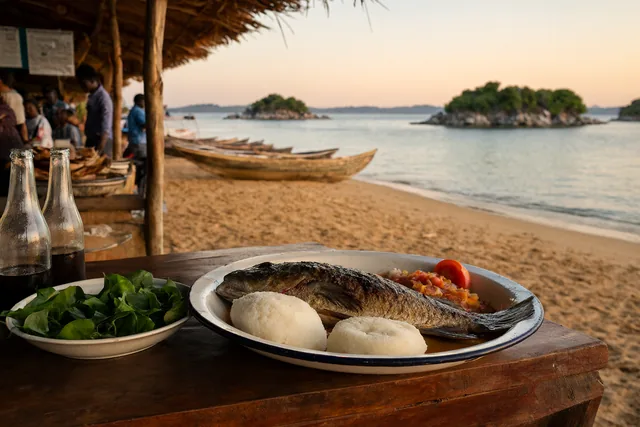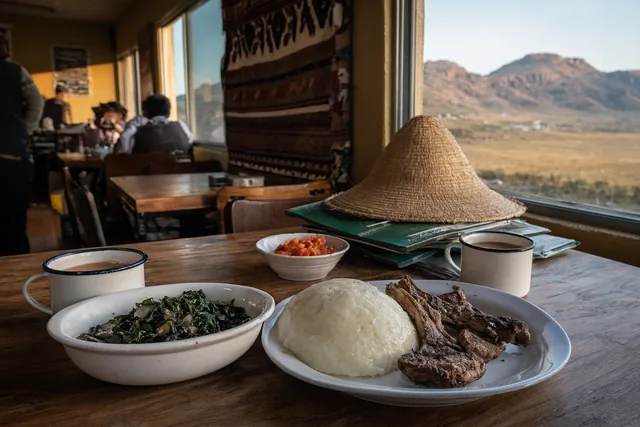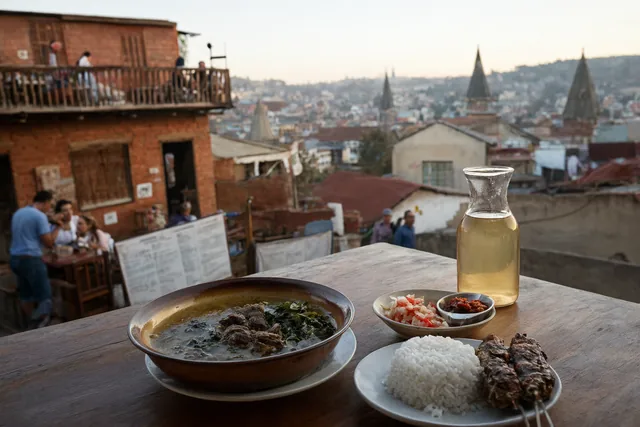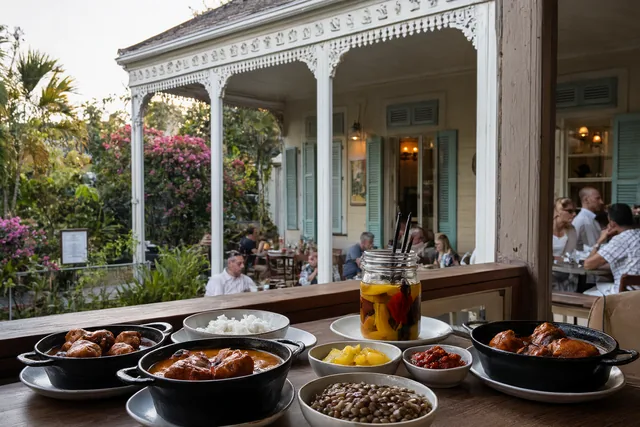
Eswatini, the small mountain kingdom between South Africa and Mozambique, is one of the few places in Africa where traditional food, ceremonies and royal festivals are still part of everyday life. Its cooking is plain and filling: thick maize porridges, soured milk, pumpkin, beans and grilled meat, with fresh pineapples, citrus and sugar cane from the valleys and the lowveld. This Eswatini food guide covers the dishes to know, the siSwati words you will meet, tipping and paying in emalangeni, and where to eat in Mbabane, the Ezulwini Valley, the Malkerns Valley, Manzini, the Lowveld, and Piggs Peak and the north.
What to eat in Eswatini: 12 dishes to know
Swazi food shares a lot with South African and Zulu cooking, but it has its own names and traditions. Menus in tourist restaurants are mostly grills and international dishes, so the traditional foods below are best found at cultural villages, local eateries and markets.
- Sishwala (everywhere): a thick, stiff porridge of maize meal, the everyday staple, eaten with meat, vegetables or sour milk. Restaurants often just call it pap.
- Incwancwa (everywhere): a sour porridge of fermented maize meal, eaten for breakfast or as a light meal.
- Sidvudvu (everywhere): pumpkin cooked and mixed with maize meal into a soft, slightly sweet porridge.
- Emasi dishes (everywhere): emasi is thick soured milk, eaten with ground maize (emasi etinkhobe temmbila) or ground sorghum (emasi emabele) as a cooling meal on hot days.
- Siphuphe setindlubu (everywhere): a thick mash of bambara groundnuts, a hardy legume grown across the country.
- Tinkhobe (everywhere): whole maize kernels boiled until tender, a simple snack or side.
- Umncweba and umkhunsu (everywhere): dried meat, the Swazi relatives of biltong. Umncweba is dried raw meat, umkhunsu is meat that is cooked first and then dried.
- Sitfubi (everywhere): fresh milk boiled and thickened with maize meal, a comfort food often eaten at home.
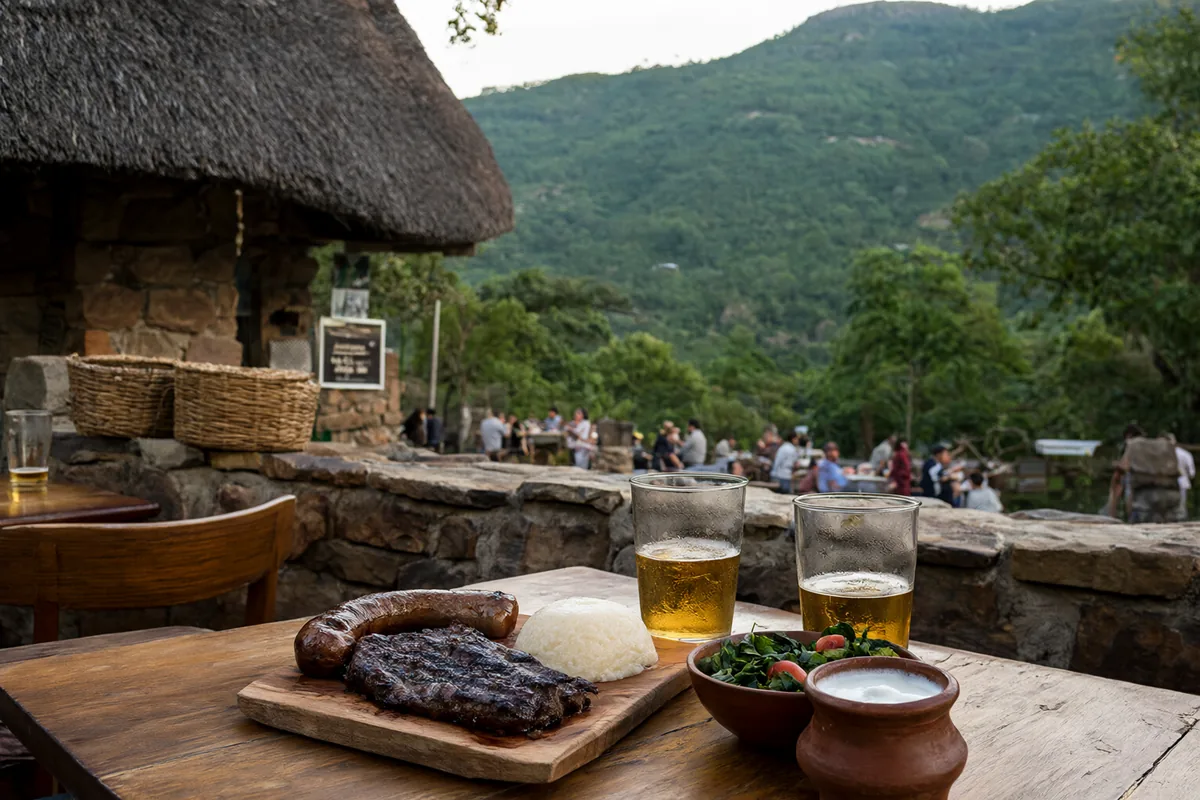
- Grilled meat (everywhere): beef, chicken and boerewors (spiced sausage) cooked over coals at braai spots and roadside grills, sold by weight and eaten with pap and a tomato and onion relish. Beef and goat are central to Swazi celebrations.
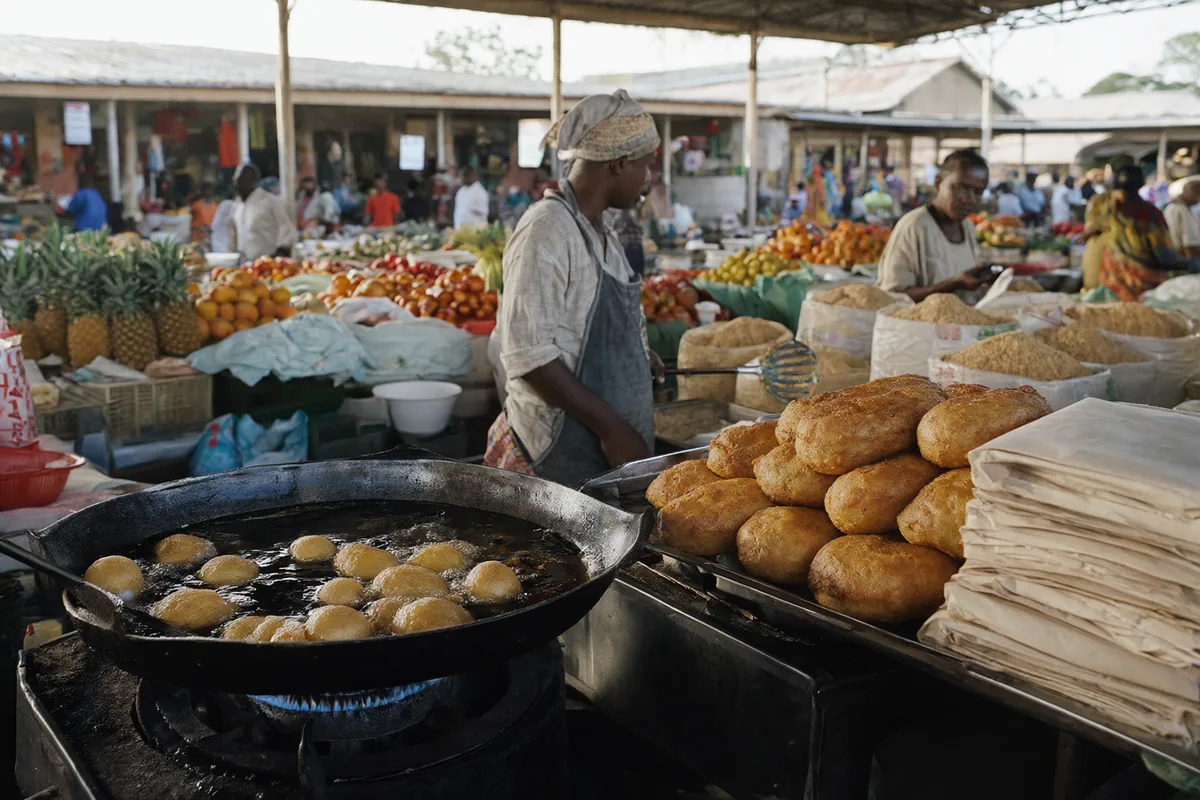
- Fat cakes (everywhere): balls of fried dough sold at bus ranks and markets in the morning, eaten plain or with polony or jam.
- Buganu and tjwala (rural areas): buganu is a seasonal brew made from fermented marula fruit in late summer, celebrated with a royal marula festival, and tjwala is home-brewed sorghum or maize beer.
- Pineapples, citrus and sugar cane (the valleys and lowveld): the Malkerns Valley is famous for its pineapples, the lowveld grows sugar cane and citrus, and roadside stalls sell fruit by the bag.
How to read a menu in Eswatini
English and siSwati are both official languages in Eswatini. Restaurant, hotel and lodge menus are in English, often with South African food terms from Afrikaans and Zulu, and the local market canteens and roadside eateries use siSwati names for traditional food. These are the terms worth knowing.
| Term | Language | Meaning |
|---|---|---|
| Sishwala, pap | siSwati, Afrikaans | Stiff maize porridge |
| Mealie meal | Southern African English | Maize flour |
| Emasi | siSwati | Thick soured milk |
| Incwancwa | siSwati | Fermented sour maize porridge |
| Sidvudvu | siSwati | Pumpkin and maize porridge |
| Tinkhobe | siSwati | Boiled whole maize |
| Inyama | siSwati | Meat |
| Inkhukhu | siSwati | Chicken |
| Shisa nyama | South African slang | A grill spot where you choose raw meat and it is cooked for you |
| Braai | Afrikaans | Barbecue |
| Boerewors | Afrikaans | Coiled spiced sausage |
| Chakalaka | South African | Spicy vegetable relish of beans, peppers and carrot |
| Umncweba | siSwati | Dried raw meat |
| Emanti | siSwati | Water |
At a shisa nyama or market grill, meat is often sold raw by weight: you choose a piece, it is weighed and priced, and then it is grilled for you with pap and relish. Agree the price before it goes on the fire. swap.menu explains siSwati and South African food terms and converts emalangeni prices to your home currency.
Tipping, tax and paying the bill in Eswatini
Tipping is customary in Eswatini's restaurants, as it is in South Africa. Around 10 percent is normal for good table service when no service charge has been added; at market canteens and takeaway counters, tipping is not expected. Petrol stations are full service, and attendants appreciate a small tip, as do car guards in town car parks. VAT is included in menu prices. Our guide to tax and service charges on menus explains how service and tax lines work around the world.
The currency is the lilangeni (plural emalangeni, code SZL), written E on menus. It is pegged one to one to the South African rand, and rand are accepted everywhere in Eswatini, so you can pay in either. Emalangeni are not accepted in South Africa, so spend them before you leave or ask for change in rand. Cards are accepted in shopping centres, supermarkets, hotels and most restaurants in Mbabane, Ezulwini, Malkerns and Manzini, but carry cash for markets, roadside stalls, fuel in rural areas and small eateries. When a card machine offers to charge you in your home currency, decline: our guide to paying in local currency explains why.
Meal times are early. Lunch is from about 12pm to 2pm and dinner from around 6:30pm, and many restaurants outside the main valleys close by 9pm. Sunday is a quiet day, with some restaurants and shops closed or opening late.
Where to eat in Eswatini, place by place
Eswatini is small enough to cross in a few hours, and most visitors base themselves in the Ezulwini or Malkerns valleys and take day trips. Jump to a destination:
Where to eat in Mbabane
Mbabane, the capital, is a small, hilly city in the highveld, cooler than the rest of the country and busy with government offices and shoppers on weekdays. Its eating is practical rather than glamorous: shopping centres such as Swazi Plaza and the malls along the main roads have cafés, grills, Portuguese and Indian restaurants and supermarkets, and the town's hotels serve buffets and grills. Portuguese and Mozambican influence shows in the piri-piri chicken on many menus.
For local food in Mbabane, head to the Mbabane market near the centre, where stalls sell fresh produce, fruit and crafts and small canteens serve sishwala with beef stew, chicken, beans and greens at lunchtime. The bus rank nearby has fat cake sellers and grilled meat in the mornings and evenings. Mbabane is quiet after dark, and most visitors staying here eat at their hotel or drive the short distance down to the Ezulwini Valley.
Where to eat in the Ezulwini Valley
The Ezulwini Valley, the "valley of heaven", runs between Mbabane and Manzini below green mountains, and it is the tourism centre of Eswatini, with hotels, lodges, a casino, craft stalls and the country's widest choice of restaurants. Menus in the Ezulwini Valley focus on grilled meat, steaks, pizzas, curries and buffets, and several places have terraces with mountain views. The craft market along the main road is the place to buy baskets, carvings and snacks.
The best place to try traditional Swazi food here is a cultural village, such as the one in the Mantenga Nature Reserve, where visits often include traditional dancing and a meal of sishwala, meat, pumpkin and emasi. The nearby Mlilwane Wildlife Sanctuary has a rest camp restaurant where you can eat while hippos and birds gather at the pool, and braai areas for self-caterers. The royal village of Lobamba, the site of the national ceremonies, is just down the road.
Where to eat in the Malkerns Valley
The Malkerns Valley, south of Ezulwini, is farming country: pineapple fields, citrus orchards and avocado trees stretch across the valley floor, and the area has long been known for its pineapple cannery. Roadside stalls in the Malkerns Valley sell pineapples, oranges, avocados and other fruit in season at very low prices. The valley is also Eswatini's craft centre, with workshops making candles, glass, textiles and baskets, many with cafés attached.
Those cafés and the country restaurants around Malkerns are some of the most pleasant places in Eswatini to eat: garden lunches, salads made with local produce, wood-fired pizza, grilled meat and cakes. On weekends they fill with families from Mbabane and Manzini and visitors from South Africa. Malkerns also has a lively evening scene on some weekends, with live music at a few venues, and lodges in the valley that serve dinner to guests.
Where to eat in Manzini
Manzini is Eswatini's largest town and commercial hub, busier and more crowded than Mbabane, and it is where you see everyday Swazi food at its most direct. The Manzini market is the biggest in the country, with covered halls of fruit, vegetables and maize meal, stalls of traditional medicine and crafts, and food stalls serving sishwala with stew, grilled chicken and fat cakes. Craft sellers come in from the countryside on particular market days, so ask locally which days are busiest.
Manzini's bus rank and the streets around it are lined with grills selling beef and boerewors cut and cooked to order, roasted mealies (maize cobs) and fat cakes. The town also has shopping centres with supermarkets, takeaways and chain restaurants, and a few hotels with grills and buffets. Keep valuables out of sight in crowded areas of Manzini, and visit the market in the morning, when it is freshest.
Where to eat in the Lowveld
The Lowveld, the hot, flat east of Eswatini, is sugar cane and bush country, and home to the main game parks. Hlane Royal National Park has a rest camp with a restaurant and braai areas, and elephants and rhinos come to the waterhole nearby. Mkhaya Game Reserve is visited on guided stays where meals are included and served in the bush camp, often around a fire, and Mlawula Nature Reserve near the Mozambique border has campsites for self-caterers.
The towns of the Lowveld, such as Big Bend, Simunye and Siteki, are small and practical, with supermarkets, takeaways and a few hotel restaurants. Lodges in the region serve braais and buffets, and the lowveld is where you are most likely to find marula fruit in late summer. It is hot here in summer, so stock up on cold water and fruit before game drives.
Where to eat in Piggs Peak and the north
The north of Eswatini is mountainous and forested, with pine plantations, deep valleys and some of the country's best hiking in the Malolotja Nature Reserve, where accommodation is self-catering, so bring supplies. The small town of Piggs Peak has shops, a market and simple eateries serving pap and grilled meat. Around the town, lodges near the Phophonyane Falls and the Maguga Dam serve meals with views over the valleys and the lake.
The north is also the route to Kruger National Park in South Africa through the border at Matsamo, so many visitors stop for lunch on the way. Roadside stalls in the north sell fruit, roasted maize and crafts, and the old mining town of Bulembu, on a winding road in the hills, has a community-run guesthouse and café. Distances are short but roads are slow, so allow time and eat when you find a good stop.
Vegetarian, vegan and allergy tips
Eswatini's restaurant menus are meat-heavy, but traditional food has plenty for vegetarians: sishwala, sidvudvu, tinkhobe, siphuphe setindlubu, beans, chakalaka and greens are all meat-free, and emasi dishes are vegetarian (though not vegan). Watch for meat stock in stews and greens, and for butter and milk in porridges. The word "vegetarian" is understood everywhere; at market stalls, "no meat" is clearer. Restaurants in the Ezulwini and Malkerns valleys usually have vegetarian options.
Dairy is the hidden ingredient in many traditional dishes, from emasi to sitfubi, which matters if you are lactose intolerant or allergic to milk. Groundnuts and bambara nuts appear in some dishes, and wheat is in fat cakes and bread. Our guide to eating abroad with food allergies has tips for explaining a serious allergy clearly.
Useful siSwati phrases and ordering terms
English is understood everywhere in Eswatini, but greeting in siSwati is polite and appreciated. Greet before you ask for anything.
Sawubona / Sanibonani "Hello" to one person / to more than one person
Unjani? / Ngikhona "How are you?" / "I am fine"
Ngicela... "Please may I have...", followed by the dish
Malini? "How much is it?"
Pap and wors, please How to order maize porridge with boerewors at a grill
Kumnandzi "It is delicious"
Ngiyabonga "Thank you"
Sala kahle "Stay well", said when you leave
How swap.menu helps you eat in Eswatini
Menus in Eswatini are in English, but they mix in siSwati, Afrikaans and South African terms that can leave visitors guessing: what is sidvudvu, what does shisa nyama mean, and is chakalaka spicy? Photograph the menu with swap.menu and every dish gets a short explanation, from emasi to boerewors. Every price is converted from emalangeni (or rand) to your home currency, and any service charge is pointed out.
Visitors from non-English-speaking countries can read the whole menu in their own language, in any of 29 languages, and add notes such as "no dairy" or "well done, please", typed or spoken, that appear on the waiter's screen in English. You can save the menus of the places you liked in Ezulwini or Malkerns. Try it on a sample menu with the free demo, or see travel pass prices.
Off to Eswatini? Your first 3 menu scans are free, and a travel pass starts from $4.99 with nothing that renews.
Start free with 3 scansEswatini food FAQ
Do you tip in restaurants in Eswatini?
Yes, around 10 percent is customary for good table service when no service charge has been added. Petrol attendants and car guards also appreciate a small tip, while market stalls and takeaways do not expect one.
Can I use South African rand in Eswatini?
Yes. The lilangeni is pegged one to one to the rand, and rand are accepted everywhere in Eswatini. Emalangeni are not accepted in South Africa, so spend them or ask for change in rand before you leave.
What is traditional food in Eswatini?
Traditional Swazi food includes sishwala (stiff maize porridge), sidvudvu (pumpkin porridge), emasi (soured milk) with ground maize, mashed bambara nuts, dried meat and grilled beef. Cultural villages and market canteens are the best places to try it.
Is tap water safe to drink in Eswatini?
Tap water in Mbabane and Manzini is treated, but most visitors drink bottled or filtered water. Do not drink untreated water from rivers or rural taps.
What time do people eat dinner in Eswatini?
Dinner is early, usually from about 6:30pm, and many restaurants outside the Ezulwini and Malkerns valleys close by 9pm. Sundays are quiet, with some places closed.
Can swap.menu help with menus in Eswatini if they are in English?
Yes. It explains siSwati dishes and South African terms such as sishwala, emasi, shisa nyama and boerewors, converts emalangeni prices to your home currency and saves the menus you scan. Visitors who do not read English can see the menu in their own language.
Travelling further in southern Africa? Read our food guides for nearby countries:
- South Africa food guide
- Mozambique food guide
- Lesotho food guide
- Botswana food guide
- Zimbabwe food guide
Or browse every travel food guide.