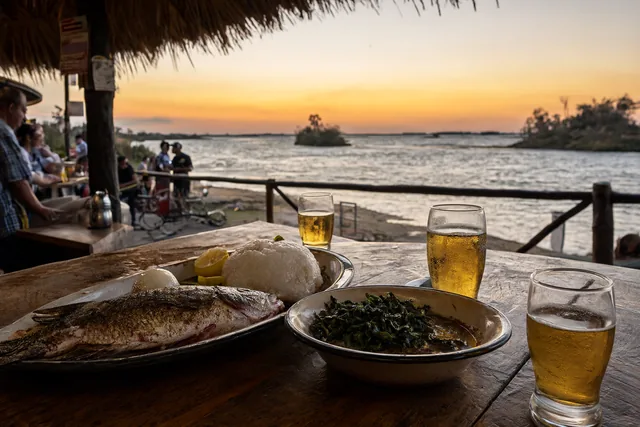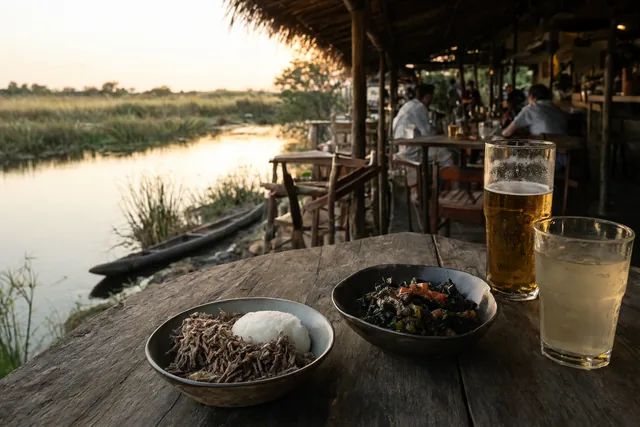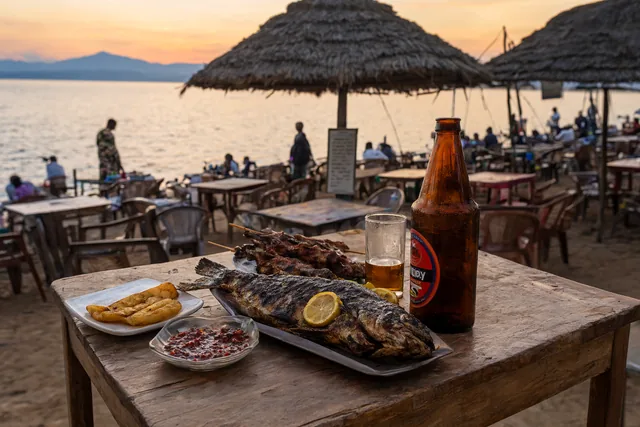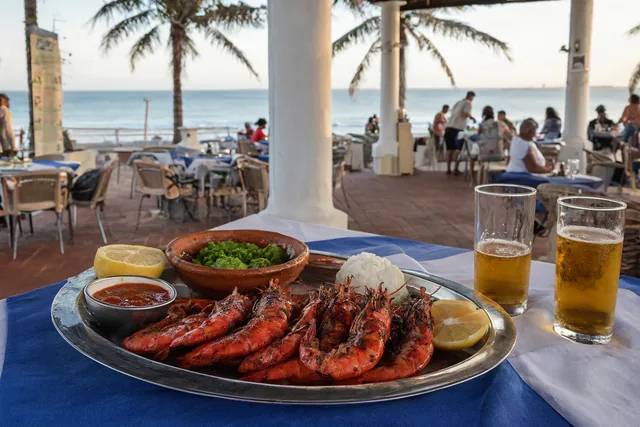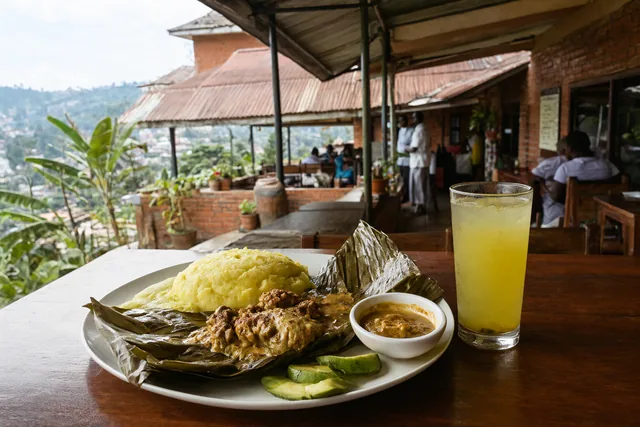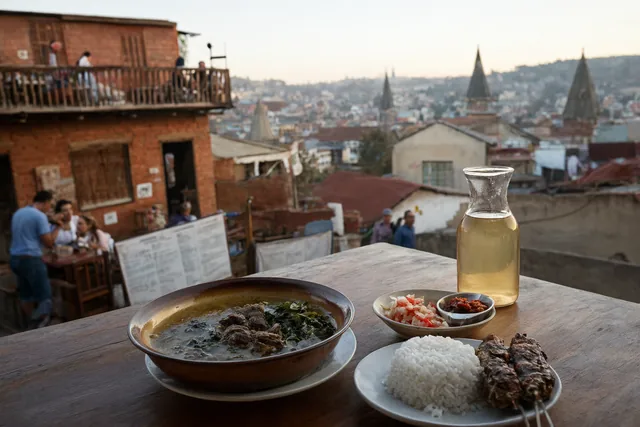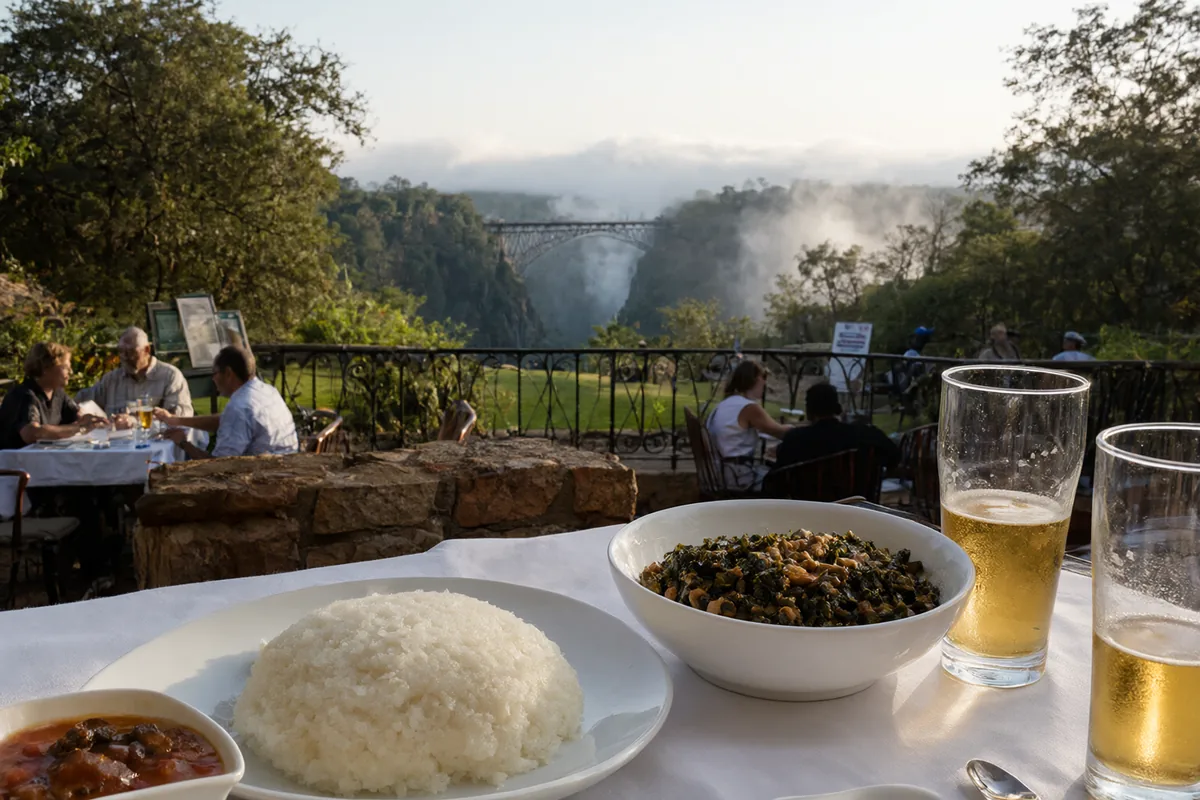
Zimbabwe's food is honest, filling and built around one dish: sadza, the stiff maize porridge that is eaten with meat, greens and peanut butter stews at nearly every meal. Add free-range "road runner" chicken, kapenta from Lake Kariba, game meat at Victoria Falls and long dinners at safari lodges, and there is plenty to explore. This Zimbabwe food guide covers the dishes to know, the Shona and Ndebele words you will meet, tipping and paying in US dollars, what to expect at safari camps, and where to eat in Harare, Bulawayo, Victoria Falls, Hwange, Kariba and Mana Pools, and the Eastern Highlands.
What to eat in Zimbabwe: 12 dishes to know
A Zimbabwean meal is sadza plus usavi or "relish", the stew or vegetables that go with it. These are the dishes and foods worth seeking out.
- Sadza (everywhere): white maize meal cooked into a stiff porridge and served in smooth mounds. Known as isitshwala in Ndebele. It is eaten with the right hand, rolled into a ball and used to scoop up the relish.
- Sadza ne nyama (everywhere): sadza with beef stew, slow-cooked with tomato and onion until tender. The standard lunch order in any local restaurant.
- Muriwo une dovi (everywhere): greens such as covo (collard greens), rape or pumpkin leaves cooked with onion, tomato and peanut butter. Dovi is peanut butter, and it turns up in many Zimbabwean dishes.
- Road runner (everywhere): free-range village chicken, or huku in Shona, leaner and tastier than farmed chicken, usually stewed. Menus often list it separately and charge more.
- Huku ne dovi (everywhere): chicken stewed in a peanut butter sauce, one of the country's best-known dishes.
- Matemba (everywhere, from Lake Kariba): small dried kapenta fish, fried with tomato and onion and eaten with sadza. Fresh kapenta is eaten around Kariba.
- Madora (the south and west): mopane worms, the caterpillars of the emperor moth, dried and then fried or stewed. Called amacimbi in Ndebele, and a favourite snack in Bulawayo.
- Nhopi (everywhere): mashed pumpkin or butternut, sometimes mixed with peanut butter, often served to children and as a side dish.
- Derere (everywhere): okra, or wild okra, cooked into a slippery relish that helps sadza go down.
- Mupunga une dovi (everywhere): rice cooked with peanut butter, a rich side dish for special meals.
- Game meat (Victoria Falls and lodges): crocodile tail, warthog, kudu and impala appear on tourist menus, grilled or in stews.
- Maputi and maheu (everywhere): maputi is popped maize, sold in small bags as a snack; maheu is a thick, slightly sour fermented maize drink sold in shops. Opaque sorghum beer, sold in cartons and big plastic containers, is the traditional drink at beer halls.
How to read a menu in Zimbabwe
English is widely spoken in Zimbabwe and restaurant menus are in English, but the "traditional" or "local" section uses Shona and sometimes Ndebele words. Shona is the main language in Harare and most of the country, and Ndebele is spoken in Bulawayo and the south west. Small local eateries often have a board listing the day's relishes, or no menu at all. These are the terms to know.
| Term | Language | Meaning |
|---|---|---|
| Sadza / isitshwala | Shona / Ndebele | Stiff maize porridge, the staple |
| Relish, usavi | English, Shona | The stew or vegetables served with sadza |
| Nyama | Shona | Meat, usually beef stew on menus |
| Huku, road runner | Shona, Zimbabwean English | Chicken, free-range village chicken |
| Hove | Shona | Fish, often bream (tilapia) |
| Muriwo | Shona | Leafy greens |
| Covo, rape | Zimbabwean English | Collard greens, a kale-like green |
| Dovi | Shona | Peanut butter, used in sauces |
| Derere | Shona | Okra relish |
| Nhopi | Shona | Mashed pumpkin |
| Matemba | Shona | Dried kapenta fish |
| Madora / amacimbi | Shona / Ndebele | Mopane worms |
| Umfushwa | Ndebele | Dried greens, rehydrated and cooked |
| Maputi | Shona | Popped maize snack |
A plate of "sadza and" a relish is priced by the relish: beans and greens are cheapest, road runner chicken and fish cost the most. If the board lists dishes in Shona or Ndebele, swap.menu explains each one and shows the US dollar price in your home currency before you order.
Tipping, US dollars and paying the bill in Zimbabwe
Tipping is customary in Zimbabwe's restaurants, hotels and lodges. About 10 percent is normal in sit-down restaurants when service is not already included, and in local eateries rounding up is enough. Car guards, porters and guides expect a small tip, and safari lodges have a staff tip box. Taxes are normally included in menu prices, but some hotels and restaurants add a service charge, so check the bill. Our guide to tax and service charges on menus explains how these lines work around the world.
Money in Zimbabwe works differently from most countries. The US dollar is used for most everyday spending, and prices in tourist areas, hotels and restaurants are almost always in US dollars. The local currency is the ZiG (Zimbabwe Gold), which you may receive as change. Bring plenty of small US dollar notes in good condition, as torn or old notes can be refused and change is often short. Visa and Mastercard work at many hotels, lodges and larger restaurants in Harare and Victoria Falls, but card machines can be unreliable, and markets and small eateries are cash only. Where you are given a choice of currency on a card machine, read our guide to paying in local currency first.
Meal times are early. Lunch is the main meal for many Zimbabweans and runs from about midday to 2pm, and dinner starts from around 6:30pm. Outside the main towns, restaurants close early and roadside food stops shut at dusk.
Where to eat in Zimbabwe, place by place
Most visitors combine Victoria Falls with Hwange or Kariba, and many add Harare or Bulawayo at the start or end. Jump to a destination:
Where to eat in Harare
Harare, the capital, is the best place in Zimbabwe to eat local food, and the easiest way in is a plate of sadza ne nyama or road runner at a local restaurant at lunchtime, when office workers fill the counters in the city centre. Mbare Musika, the huge market and bus terminus south of the centre, is the city's food hub, with fresh produce, dried matemba and madora, and stalls cooking sadza and stews. It is crowded and intense, so go with someone who knows it and keep valuables out of sight. In season, from around November to January, roadside sellers across Harare sell mazhanje, the sweet wild loquat fruit of the miombo woodland.
Most of Harare's sit-down restaurants are in the leafy northern suburbs: Avondale, Borrowdale, Mount Pleasant and Belgravia. Here you find steakhouses, garden cafés, Portuguese, Indian, Chinese and Italian restaurants, and weekend braais. The open-air shopping village at Borrowdale and the shopping centres in Avondale are reliable for cafés and supermarkets. Zimbabwe raises excellent beef, so a steak in Harare is usually a good order, and the city's coffee shops serve coffee grown in the Eastern Highlands.
Where to eat in Bulawayo
Bulawayo, Zimbabwe's second city, is quieter and more relaxed than Harare, with wide streets laid out in the colonial era and a well-preserved city centre. This is the heart of Ndebele country, and local restaurants serve isitshwala with beef stew, chicken, umfushwa (dried greens) and amacimbi, mopane worms, which are especially popular here. Bulawayo's markets sell bags of dried amacimbi, and adventurous eaters should try them fried with tomato and onion.
For sit-down meals, Bulawayo has hotels, steakhouses and cafés in the centre and leafy eastern neighbourhoods such as Hillside, many in old colonial buildings with gardens. The city is the base for the Matobo Hills, a national park of granite outcrops and San rock art an hour south, where lodges serve dinners under the stars. Bulawayo's railway history is part of its character, and the city is the start of overland journeys towards Hwange and Victoria Falls.
Where to eat in Victoria Falls
Victoria Falls town sits a short walk from the falls themselves and is set up almost entirely for visitors, with restaurants, cafés and bars along Livingstone Way and Parkway Drive in the centre. Menus mix burgers, pizza and steaks with game meat: crocodile tail, warthog, kudu and impala. The signature Victoria Falls experience is a boma dinner, an evening buffet of grilled game, stews and sadza served in an open-air enclosure, with drumming, dancing and a chance to try mopane worms. It is touristy but fun, and the food is usually generous.
The other Victoria Falls traditions are high tea on the terraces of the grand old hotels facing the Victoria Falls Bridge, and sunset cruises on the upper Zambezi with drinks and snacks while elephants and hippos come down to the water. Many lodges upriver serve dinner on decks overlooking the Zambezi. For a local view, the Chinotimba area, where most of the town's residents live, has markets and simple eateries serving sadza ne nyama for a fraction of tourist prices. Book cruises and boma dinners ahead in the busy months.
Where to eat in Hwange
Hwange National Park, Zimbabwe's largest, is famous for big herds of elephants at its waterholes, and eating here means eating at your lodge or camp. Most are full board, with meals served on decks overlooking a waterhole, so dinner often comes with elephants, buffalo or lions in view. Expect hearty set menus of grilled meat, stews, salads and fresh bread, with a braai night or a traditional dinner of sadza and relishes at many camps.
If you are self-driving, the national parks rest camps at Main Camp, Sinamatella and Robins have campsites and chalets, but limited food, so bring supplies from Victoria Falls or Bulawayo. The small town of Hwange, a coal mining town outside the park, has basic shops. Between Victoria Falls and Hwange, the main road passes villages and roadside stalls selling fruit, vegetables and, in season, mazhanje and other wild fruits.
Where to eat in Kariba and Mana Pools
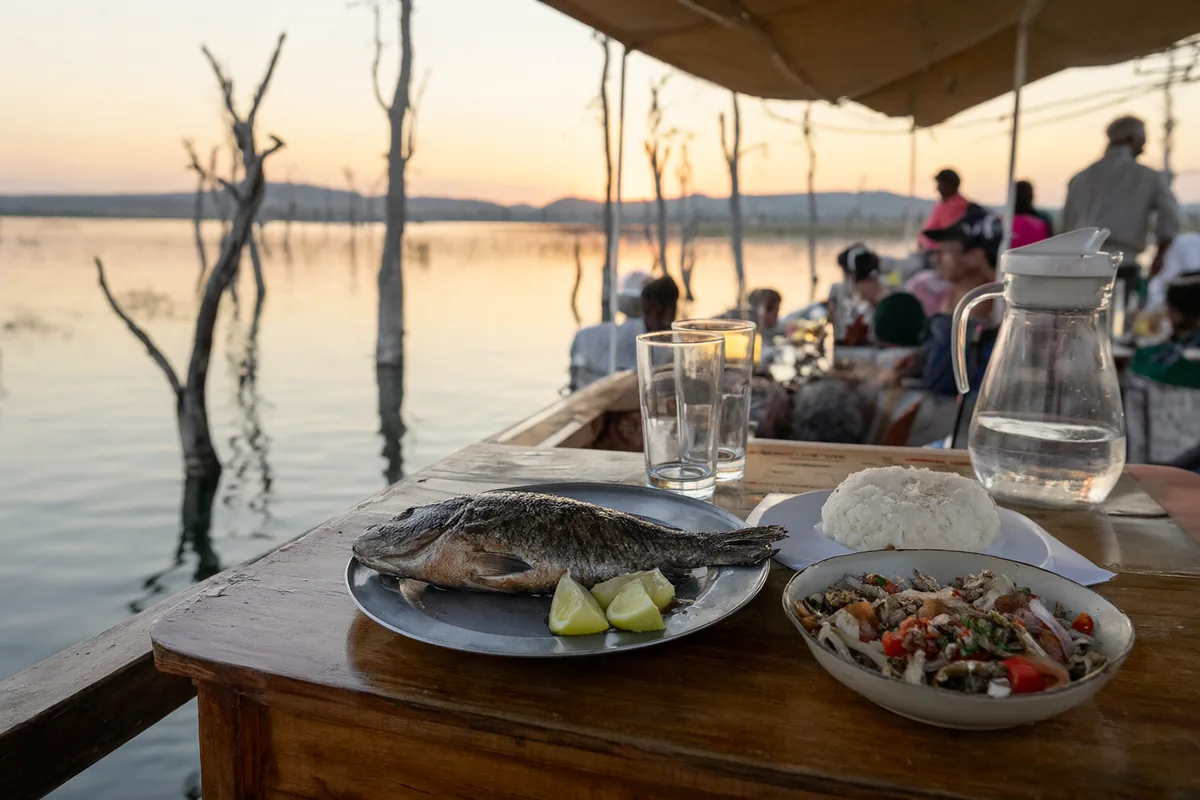
Lake Kariba, the vast reservoir on the Zambezi shared with Zambia, is known for houseboats, sunsets over drowned trees and fishing. The lakeside town of Kariba is the centre of the kapenta industry: at night, kapenta rigs fish with bright lights, and in the morning the catch is spread on racks to dry. Fresh kapenta, fried crisp, is a revelation compared with dried matemba. Grilled bream from the lake is the other dish to order in Kariba, and tigerfish are caught for sport.
Houseboats, which range from simple to luxurious, usually include all meals cooked by the crew, often with fish caught that day, and lodges on the lakeshore and in Matusadona National Park serve meals on decks above the water. Further down the Zambezi, Mana Pools National Park is wild and remote, with a small number of camps that include all meals, and public campsites where you must bring all your own food and water from Harare or Karoi. Self-drivers to Mana Pools should plan their supplies carefully.
Where to eat in the Eastern Highlands
The Eastern Highlands, along the mountainous border with Mozambique, are cooler, greener and very different from the rest of Zimbabwe. This is where the country's tea and coffee are grown, on estates in the Honde Valley, around Chipinge and in the Vumba mountains near Mutare, and many hotels and tea rooms serve local coffee with scones and cakes. Nyanga is known for trout from its mountain streams and dams and for apples and other fruit grown in its cool climate.
Mutare, the main town, has hotels, cafés and the busy Sakubva market, where local produce from the highlands is sold alongside cooked food. In the Vumba and Nyanga, old country hotels and lodges serve trout, roasts and afternoon teas by log fires on cold evenings. Chipinge is also a centre for macadamia nuts and avocados. The Eastern Highlands are the best part of Zimbabwe for walking, so a good lunch at a tea garden is part of the experience.
Eating at safari lodges and camps in Zimbabwe
If you are on safari in Hwange, Mana Pools, Matusadona or the Matobo Hills, your lodge will feed you very well. The day starts before dawn with coffee, tea and rusks or muffins by the fire, then a morning game drive or walk. Brunch, a full cooked meal, comes when you return in the late morning. Afternoon tea with cakes and savouries is served around 3:30pm before the evening drive, which stops for sundowners, drinks and snacks in the bush as the sun sets. Dinner is served after dark, often at a shared table with your guide or around a fire.
Most lodges are full board, and many include local drinks. Supplies are trucked or flown in, so let the lodge know about dietary needs when you book. At the end of your stay, tip in US dollars: a shared box covers camp staff and a separate envelope goes to your guide, and the welcome pack in your room usually suggests a daily amount per guest. Ask for sadza and a Zimbabwean relish if it is not on the set menu; most kitchens are happy to cook what their own staff eat.
Vegetarian, vegan and allergy tips
Zimbabwe is meat-loving, but sadza with muriwo une dovi, derere, nhopi, beans or cabbage is a full vegetarian meal, and often vegan as well. Ask whether greens and beans have been cooked with meat stock, and remember that "relish" can mean meat or vegetables. The word "vegetarian" is understood everywhere in restaurants and lodges; in local eateries, "no meat, no fish" is clearer. Lodges and Harare restaurants cater well for vegetarians and vegans if told in advance.
Peanut butter (dovi) is the hidden ingredient to watch: it appears in greens, stews, rice and pumpkin dishes, which matters if you have a peanut allergy. Maize is in nearly everything, wheat is in bread and baking, and dried fish may be used to flavour relishes. Our guide to eating abroad with food allergies explains how to make an allergy clear when the cook does not share your language.
Zimbabwean food terms and ordering phrases
English works everywhere in Zimbabwe, but a few words of Shona or Ndebele are appreciated.
Sadza ne nyama, please Sadza with beef stew, the most common lunch order
Mhoroi / Sawubona "Hello" in Shona (polite form) / in Ndebele
Makadii? "How are you?" in Shona, a polite greeting before ordering
Ndinoda... "I would like..." in Shona, followed by the dish
Without dovi, please Ask for greens or stew without peanut butter if you have a peanut allergy
Zvinonaka "It is delicious" in Shona
Ndatenda / Ngiyabonga "Thank you" in Shona / in Ndebele
Do you have change? Worth asking before you hand over a larger US dollar note
How swap.menu helps you eat in Zimbabwe
Zimbabwean menus are in English, but the local section is where visitors hesitate. Is covo a vegetable, what are madora, and what does "road runner" mean on a menu? Photograph the menu with swap.menu and every dish gets a short explanation, so you know muriwo une dovi is greens in peanut butter before it arrives. Prices are converted from US dollars or ZiG to your home currency, so a lodge bill or a boma dinner makes sense at a glance, and any service charge is pointed out.
Visitors from non-English-speaking countries can read the whole menu in their own language, in any of 29 languages, and add notes such as "no peanuts" or "no meat stock", typed or spoken, that appear on the waiter's screen in English. You can save the menus of the places you liked in Harare or Victoria Falls. Try it on a sample menu with the free demo, or see travel pass prices.
Off to Zimbabwe? Your first 3 menu scans are free, and a travel pass starts from $4.99 with nothing that renews.
Start free with 3 scansZimbabwe food FAQ
Do you tip in restaurants in Zimbabwe?
Yes, about 10 percent is normal in sit-down restaurants when no service charge has been added. At safari lodges, tips go into a staff tip box at the end of your stay, with a separate tip for your guide, usually in US dollars.
What currency do you use to pay for food in Zimbabwe?
US dollars are used for most spending, and almost all tourist restaurants and lodges price in dollars. The local currency is the ZiG, which you may get as change. Carry small US notes in good condition, as change is often short.
What food is Zimbabwe famous for?
Zimbabwe is famous for sadza, the stiff maize porridge served with beef stew, greens, chicken or beans. Peanut butter dishes like muriwo une dovi, road runner chicken, kapenta from Lake Kariba and mopane worms are also typical.
Is tap water safe to drink in Zimbabwe?
Visitors should not drink tap water in Zimbabwe. Use bottled or filtered water, which hotels and lodges provide, and take care with ice at small eateries.
What time do people eat dinner in Zimbabwe?
Dinner is early, usually from about 6:30pm, and many restaurants outside Harare, Bulawayo and Victoria Falls close by 9pm. At safari lodges, dinner is served after the evening game drive, usually around 8pm.
Can swap.menu help with Zimbabwean menus if they are in English?
Yes. It explains Shona and Ndebele dish names such as sadza, muriwo, derere and madora, converts US dollar or ZiG prices to your home currency and saves the menus you scan. Visitors who do not read English can see the menu in their own language.
Travelling further in southern Africa? Read our food guides for nearby countries:
- Zambia food guide
- Botswana food guide
- Mozambique food guide
- South Africa food guide
- Namibia food guide
- Malawi food guide
Or browse every travel food guide.