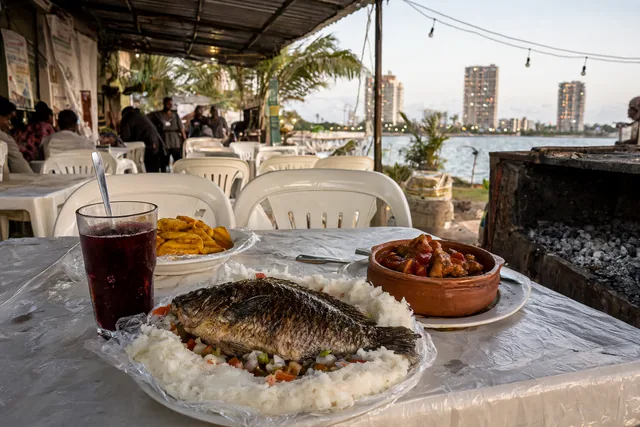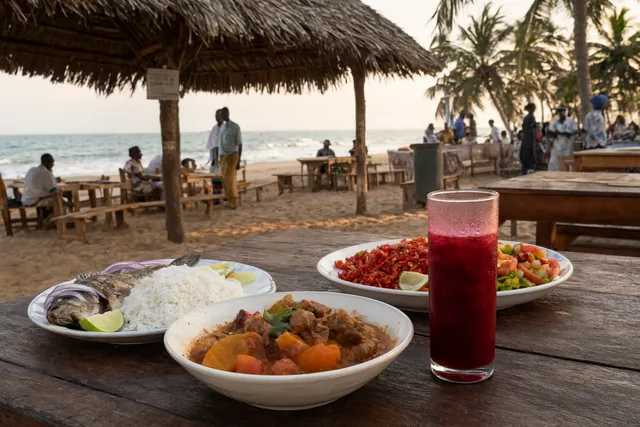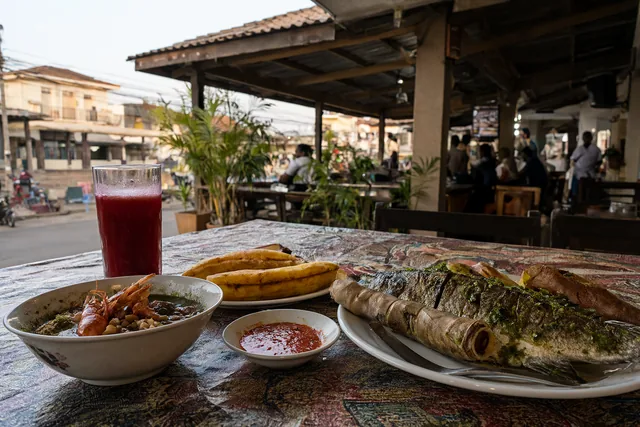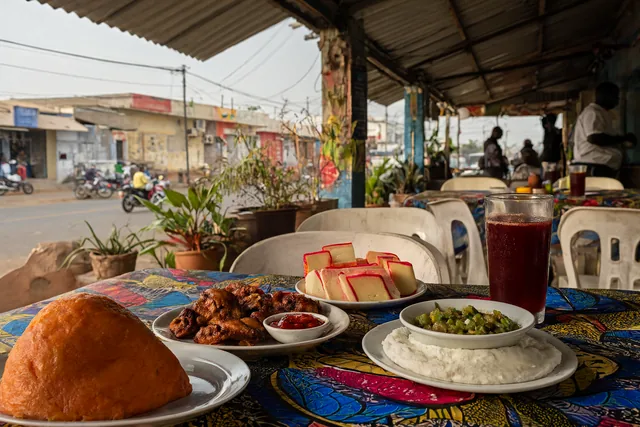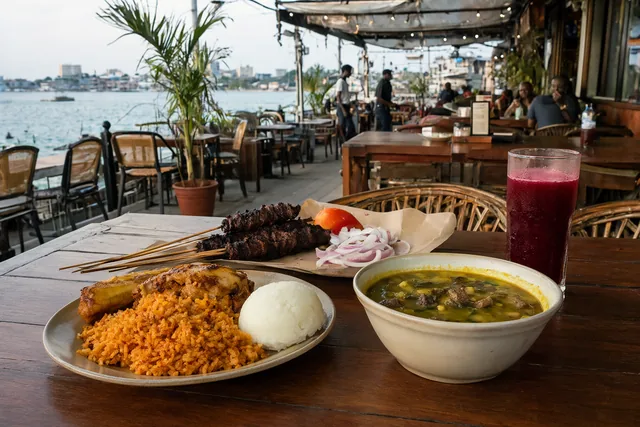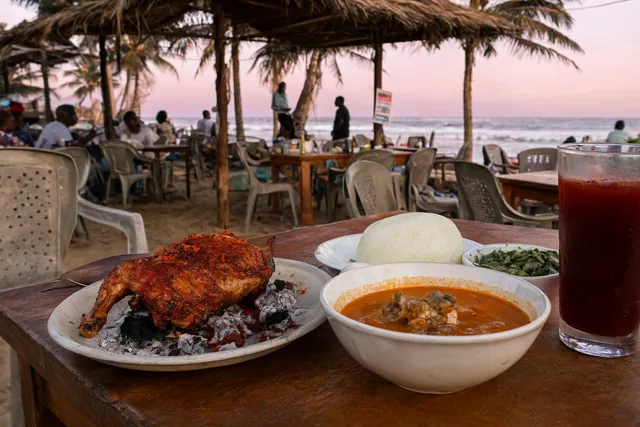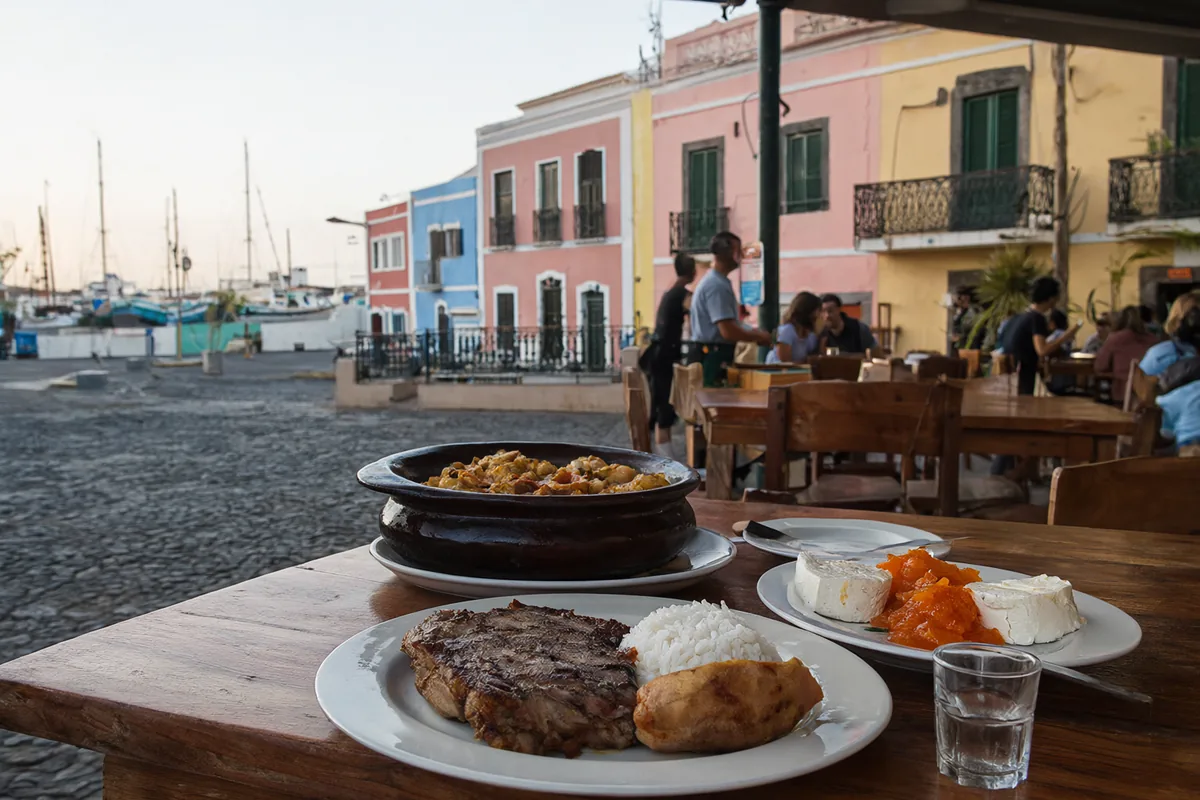
Cape Verde's food is island food with a Portuguese and West African accent: slow-cooked cachupa of corn and beans, tuna and wahoo grilled straight off the boat, goat cheese with papaya jam, and grogue, the sugar cane spirit distilled on Santo Antão. This Cape Verde food guide covers the dishes to order, the Portuguese and Kriolu words you will see on menus, how tipping and paying in escudos works, and then goes island by island through where to eat on Santiago, São Vicente, Sal, Boa Vista, Santo Antão and Fogo. Portuguese is the official language and the language of printed menus, but everyone speaks Kriolu, the Cape Verdean creole, and many dish names come from it.
What to eat in Cape Verde: 12 dishes to know
These are the dishes worth seeking out. The islands are dry and much food is imported, so the best eating is built on what the islands do well: corn, beans, fish, goat and sugar cane.
- Cachupa (everywhere): the national dish, a slow-cooked stew of hominy corn and beans. Cachupa pobre ("poor") is corn, beans and vegetables, while cachupa rica ("rich") adds pork, chicken, sausage or fish. In Kriolu it is katxupa.
- Cachupa refogada (everywhere): yesterday's cachupa fried up with onion and served with a fried egg and sausage. The classic Cape Verdean breakfast.
- Atum grelhado (everywhere): thick tuna steaks grilled and served with rice, chips or boiled vegetables. Tuna is one of the islands' main catches.
- Peixe serra (everywhere): wahoo, a firm white fish, grilled or fried. Also look for garoupa (grouper), dourado (dorado) and bica (sea bream).
- Caldo de peixe (everywhere): fish stew with potatoes, sweet potato, cassava, plantain and tomato, often served with rice.
- Búzio (everywhere): sea snail, stewed in a rich tomato and onion sauce. Listed as búzio or caldo de búzio.
- Lagosta (Sal, Boa Vista and São Vicente): spiny lobster, grilled or in a stew, usually the most expensive item on the menu.
- Moreia frita (everywhere): moray eel, cut into pieces and fried until crisp, eaten as a snack with a drink.
- Pastéis com diablo dentro (everywhere): "pastries with the devil inside", crisp fried turnovers of sweet potato and corn dough filled with spiced tuna.
- Xerém (everywhere): finely ground corn cooked like a soft polenta, often with fish, pork or beans.
- Queijo de cabra com doce de papaia (Fogo and Santo Antão): fresh goat cheese served with papaya jam, the standard Cape Verdean dessert.
- Feijoada (everywhere): a stew of beans with pork and sausage, a Portuguese legacy, often a weekend lunch dish.
To drink, the essential local spirit is grogue (grogu in Kriolu), distilled from sugar cane, strongest and best known from Santo Antão. Ponche (punch) is grogue sweetened with sugar cane honey (mel) and sometimes lime, and is sold by the bottle in many flavours. Fogo produces wine from vines grown in volcanic soil inside its crater, sold as vinho do Fogo. Coffee is grown on Fogo and Santiago, and the local lager is in every bar. Cuscus (kuskus), a steamed corn flour cake eaten with milk, butter or honey, is a traditional breakfast or snack.
How to read a Cape Verdean menu in Portuguese and Kriolu
Menus in Cape Verde are in Portuguese, with English and sometimes French or German in the resort towns of Sal and Boa Vista. In local restaurants and bars, the dish of the day is often written on a board, and the waiter may explain it in Kriolu. The prato do dia (dish of the day) is usually the cheapest and freshest choice. These are the words worth knowing.
| Portuguese (Kriolu) | Meaning |
|---|---|
| Cachupa (katxupa) | Corn and bean stew, the national dish |
| Prato do dia | Dish of the day |
| Peixe (pexi) | Fish |
| Peixe serra / atum | Wahoo / tuna |
| Mariscos | Shellfish and seafood |
| Carne de porco / frango / cabrito | Pork / chicken / young goat |
| Grelhado / frito / guisado | Grilled / fried / stewed |
| Arroz / feijão / milho (midju) | Rice / beans / corn |
| Batata doce / mandioca | Sweet potato / cassava |
| Queijo de cabra | Fresh goat cheese |
| Grogue (grogu) | Sugar cane spirit |
| Ponche | Grogue sweetened with sugar cane honey |
| Couvert | Bread, butter or olives brought to the table, charged if eaten |
| Conta | The bill |
As in Portugal, the bread, butter, olives or small snacks placed on the table when you sit down may be charged as couvert. If you do not want them, say so and they will be taken away. swap.menu reads Portuguese menus, explains Kriolu dish names and converts escudo prices to your home currency.
Tipping, tax and paying the bill in Cape Verde
Tipping is not obligatory in Cape Verde, but it is appreciated. In restaurants, around 5 to 10 percent is a generous tip for good service, and in local bars rounding up is enough. Value added tax (IVA) is included in menu prices, and some hotels and resorts add a tourist tax or service charge to the bill, which should be shown separately. Our guide to tax and service charges on menus explains how these lines work.
The currency is the Cape Verdean escudo (CVE), which is pegged to the euro. Prices are often written with the escudo sign in the decimal position, so 1$000 means 1,000 escudos and 250$00 means 250 escudos. Euros are accepted in many tourist businesses on Sal and Boa Vista, but change comes in escudos and the rate offered is not always fair. Cards are accepted in hotels, resorts and many restaurants in the main towns, while small bars, markets and village restaurants want cash. When a card machine offers to charge you in your home currency, choose escudos: our guide to paying in local currency explains why.
Lunch is the main meal, from about 12:30pm to 3pm, and dinner runs from about 7:30pm. Cachupa is traditionally cooked for lunch, often in big batches at weekends, and cachupa refogada appears at breakfast the next morning. Island life runs at its own pace, so allow time for meals: service is relaxed, and in small places your fish may be cooked to order from scratch.
Where to eat in Cape Verde, island by island
Cape Verde has ten islands, nine of them inhabited, and each has its own character: resort beaches on Sal and Boa Vista, music and nightlife on São Vicente, mountains on Santo Antão and wine on Fogo. Jump to an island:
Where to eat on Santiago
Santiago is the largest island and home to the capital, Praia, and its food is the most traditional in the country, with strong West African roots. In Praia, the old town on the Plateau has cafés, restaurants and bars around the main square and the pedestrian street, while the areas around Prainha and Quebra Canela have seafront restaurants and hotels. The Sucupira market is the island's big, chaotic market for produce and everyday goods, and the municipal market on the Plateau sells fruit, vegetables and fish.
Outside Praia, Cidade Velha, the first European colonial town in the tropics and a UNESCO World Heritage Site, has seafront restaurants serving grilled fish and cachupa by its tiny harbour. Inland, the town of Assomada holds one of the island's biggest markets, and the north of Santiago around Tarrafal has a sheltered beach and simple fish restaurants. Santiago is also known for batuku music and for cachupa cooked the old way, so it is the island to try it at its most traditional.
Where to eat on São Vicente
São Vicente is the cultural heart of Cape Verde, and its port town, Mindelo, is the best place in the country to eat and drink. Mindelo has pastel-painted colonial buildings, a working harbour, and the islands' liveliest music scene, with morna and coladeira played live in bars and restaurants most evenings. The Mercado Municipal, in a restored colonial building, sells fruit, vegetables and local cheese and grogue, and the fish market on the seafront is busy each morning as the boats come in.
Mindelo's restaurants range from seafood places on the waterfront to small local spots in the streets behind the harbour serving cachupa, grilled fish and the prato do dia. Order lagosta, grilled tuna or moreia frita with a glass of grogue. Outside town, Baía das Gatas hosts a famous music festival each August, and Calhau on the east coast is a weekend spot for grilled fish by the sea. Mindelo's Carnival in February is the biggest in the country.
Where to eat on Sal
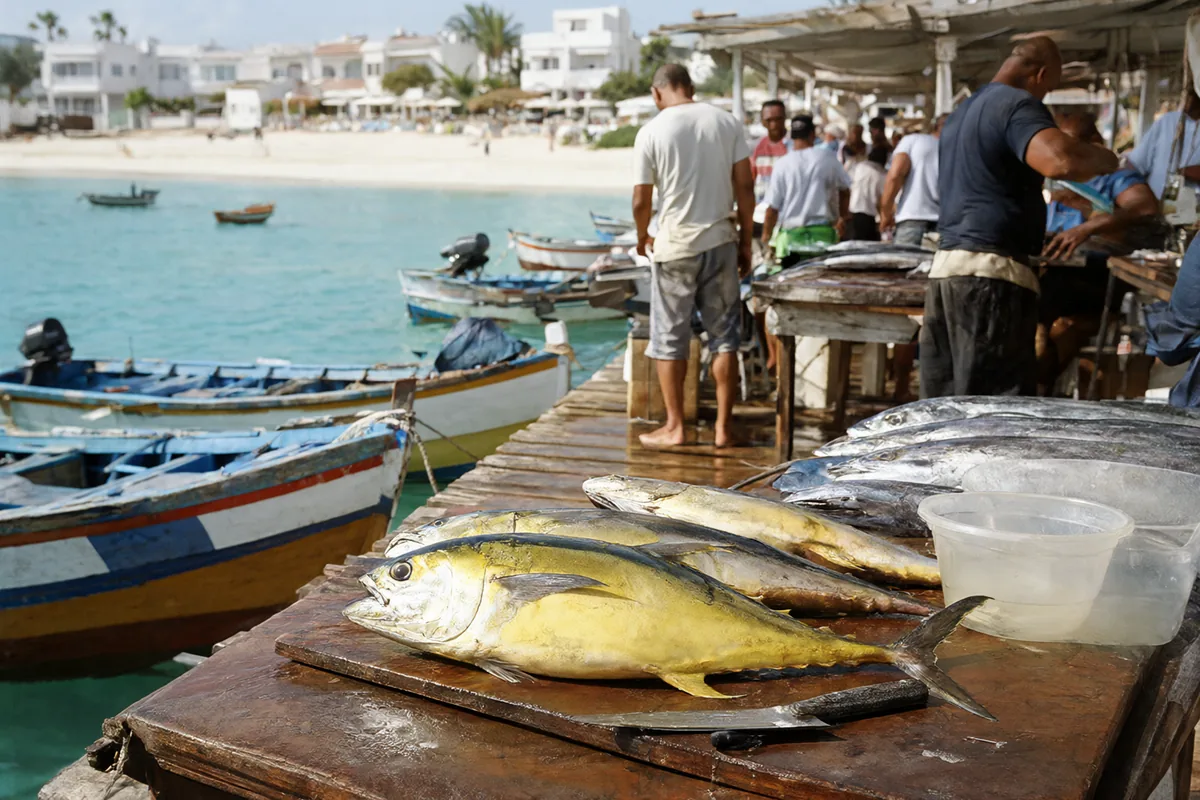
Sal is the island most visitors see first, thanks to its international airport and long white beaches, and its main town, Santa Maria, is a resort town of hotels, beach bars and restaurants. Much of the eating on Sal happens in all-inclusive resorts, but the town has plenty of independent restaurants serving grilled fish, lobster, cachupa and pizza. The best show in Santa Maria is at the pier, where fishermen land and clean tuna, wahoo and other fish around midday, and local women sell it straight from the boards.
For a more local meal, head to the island's capital, Espargos, where cafés and small restaurants serve cachupa and the prato do dia to workers at local prices. Sal is also known for the Pedra de Lume salt pans in an old volcanic crater, and for kitesurfing at Kite Beach. Prices on Sal are higher than on the other islands, euros are widely accepted, and English is spoken in most restaurants in Santa Maria.
Where to eat on Boa Vista
Boa Vista is the island of dunes and empty beaches, east of Sal, and like Sal it is mostly visited for resorts. Its small capital, Sal Rei, has a central square, a small harbour and a handful of restaurants and bars serving grilled fish, lobster, cachupa and Italian and Portuguese dishes. Boa Vista is also known for its goat cheese, made in villages inland and sold at markets and small shops.
Boa Vista's food scene is small, and many resorts are some distance from town, so a dinner in Sal Rei usually means a taxi ride. The beaches near Sal Rei have simple beach restaurants open for lunch, and village restaurants in places such as Rabil serve home-style Cape Verdean food. Fish is caught daily by local boats, and the catch of the day is the thing to order.
Where to eat on Santo Antão
Santo Antão, a short ferry ride from Mindelo, is the green, mountainous island of deep valleys, terraced fields and some of the best hiking in Africa. It is also Cape Verde's great farming island, and the food is fresher and more varied here: sweet potato, cassava, yam, bananas, mangoes, papaya and goat cheese from the hills. Santo Antão is the home of grogue, distilled from sugar cane crushed in traditional trapiches (cane presses) in the valleys, especially around Paul and Ribeira Grande.
The island has no resorts, and eating is done in small family restaurants, guesthouses and village bars. Many guesthouses serve home-cooked dinners of fish, goat stew, cachupa and vegetables from their own gardens. Visiting a grogue distillery in the Paul valley during the cane harvest is a highlight, and many sell grogue, ponche and sugar cane honey by the bottle. The port of Porto Novo and the town of Ponta do Sol on the north coast have a few more restaurants, and Ponta do Sol is a good base for an evening meal by the sea.
Where to eat on Fogo
Fogo is a single volcano rising out of the sea, with a crater, Chã das Caldeiras, where villagers grow grapes, figs, apples and beans in the black volcanic soil. The island is known for its wine, both red and white, and for its strong coffee, grown on the slopes. Fogo's goat cheese is some of the best in the country, served with papaya or guava jam. The island's capital, São Filipe, is a pretty colonial town of sobrados (old merchant houses), with restaurants serving fish, goat stew, feijoada and local wine.
In Chã das Caldeiras, simple guesthouses serve home-cooked meals and local wine, and some families still make wine and spirits on a small scale in the crater. Lunch after climbing the volcano, the 2,829 metre Pico do Fogo, is a well-earned plate of goat stew, beans and wine. São Filipe's small market is good for fruit, coffee and cheese. Fogo is reached by ferry or a short domestic flight from Praia.
Vegetarian, vegan and allergy tips
Cape Verde is manageable for vegetarians who ask questions. Cachupa pobre is the classic vegetarian dish, but check it has not been cooked with pork fat or meat stock, and avoid cachupa rica. Vegetable soups, omelettes, salads, fried sweet potato, cuscus and goat cheese with papaya jam are reliable choices, and resort restaurants on Sal and Boa Vista have more vegetarian options. The word for vegetarian is vegetariano (vegetariana for a woman), and "sem carne, sem peixe" means no meat, no fish.
Seafood and shellfish are in many dishes, including stews that look like vegetables, so people with shellfish allergies should ask about every dish. Pork fat and sausage are used to flavour beans and cachupa. Corn, beans, rice and root vegetables are naturally gluten-free, but pastries and cuscus may not be safe for coeliacs. Our guide to eating abroad with food allergies explains how to communicate a serious allergy clearly.
Useful Portuguese and Kriolu phrases for ordering
Bom dia / Boa tarde / Boa noite "Good morning / Good afternoon / Good evening" in Portuguese
Modi ki bu sta? "How are you?" in Kriolu (Santiago); "Manera?" is common on São Vicente
Queria isto, por favor "I would like this, please" in Portuguese (pointing)
Qual é o prato do dia? "What is the dish of the day?"
Quanto custa? "How much is it?"
Sou alérgico / alérgica a... "I am allergic to..." (alérgico for a man, alérgica for a woman)
A conta, por favor "The bill, please"
Obrigado / Obrigada "Thank you" (said by a man / by a woman); "Obrigadu" in Kriolu
How swap.menu helps you eat in Cape Verde
Outside the resorts, Cape Verdean menus are in Portuguese, and the board in a local bar might list only cachupa rica, búzio, moreia and xerém com peixe. Photograph it with swap.menu and every dish appears in your language with its original name beside it and a short explanation, so you know that búzio is a stewed sea snail, that moreia is moray eel and that xerém is soft ground corn. Prices are converted from escudos to your home currency, including the unusual 1$000 format, and any couvert or service line is flagged.
Tap the dishes you want, add a note such as "no shellfish" or "sem carne", typed or spoken, and swap.menu translates your order into Portuguese. Show the waiter your phone, or let them scan the QR code and read your order on their own screen. Try it on a sample menu with the free demo, or see travel pass prices.
Off to Cape Verde? Your first 3 menu scans are free, and a travel pass starts from $4.99 with nothing that renews.
Start free with 3 scansCape Verde food FAQ
Do you tip in restaurants in Cape Verde?
Tipping is not required in Cape Verde, but around 5 to 10 percent is appreciated in restaurants for good service. In local bars and cafés, rounding up the bill is enough.
What is the national dish of Cape Verde?
Cachupa is the national dish: a slow-cooked stew of hominy corn and beans, made plain as cachupa pobre or with meat and fish as cachupa rica. Leftovers are fried with an egg for breakfast as cachupa refogada.
What food is Cape Verde famous for?
Cape Verde is famous for cachupa, grilled tuna and wahoo, lobster, pastéis filled with tuna, goat cheese with papaya jam and grogue, the sugar cane spirit. Fogo also produces wine and coffee.
Is it expensive to eat out in Cape Verde?
Local restaurants serving cachupa and the dish of the day are reasonably priced. Restaurants in the resort towns of Sal and Boa Vista cost more, and lobster is expensive everywhere, as much of the food on the islands is imported.
Is tap water safe to drink in Cape Verde?
Most tap water in Cape Verde comes from desalination plants, but visitors are generally advised to drink bottled water. Bottled water is sold everywhere and is the safer choice.
How can I read a Cape Verdean menu if I do not speak Portuguese?
Learn a few words such as peixe, frango, prato do dia and grelhado, or photograph the menu with swap.menu. It translates Portuguese menus, explains Kriolu dish names, converts escudo prices to your currency and translates your order back into Portuguese.
Travelling further in West Africa? Read our food guides for nearby countries:
- Senegal food guide
- Gambia food guide
- Portugal food guide
- São Tomé and Príncipe food guide
- Mauritania food guide
Or browse every travel food guide.