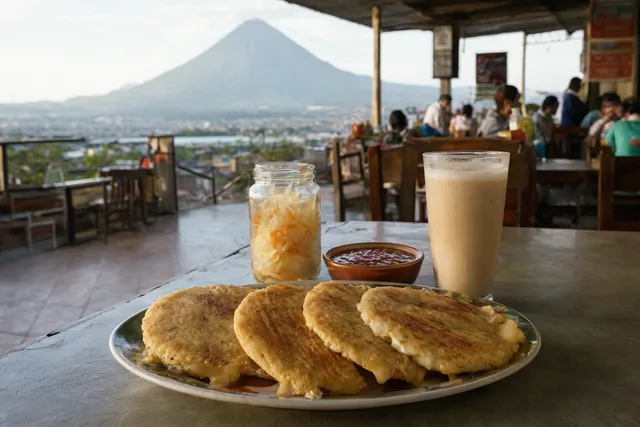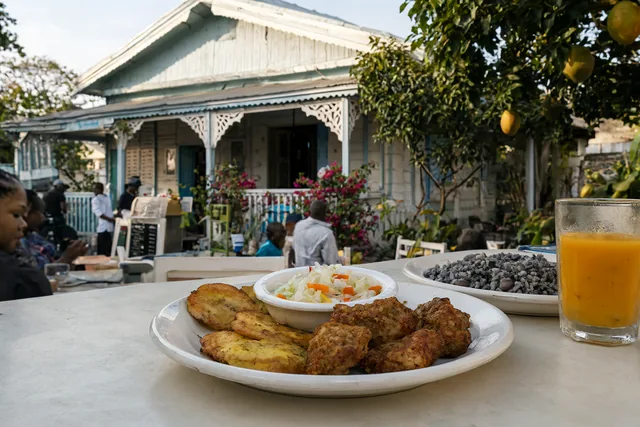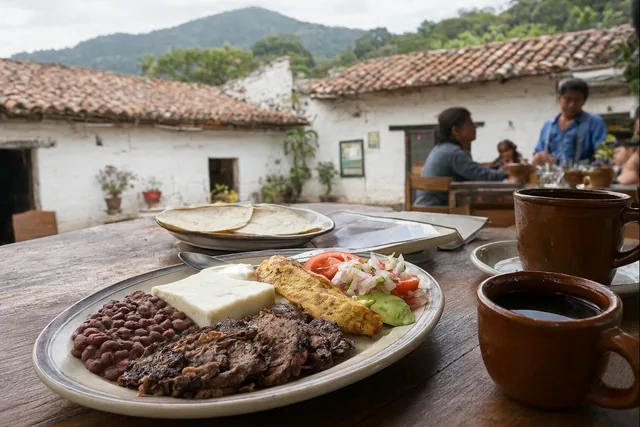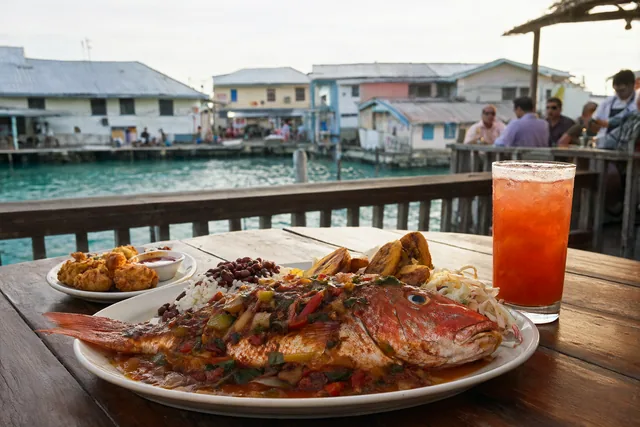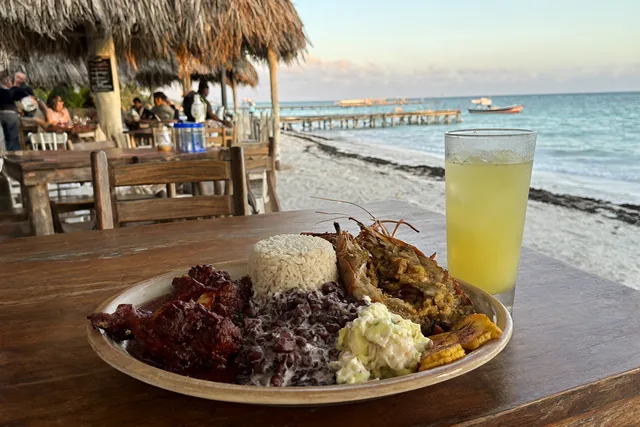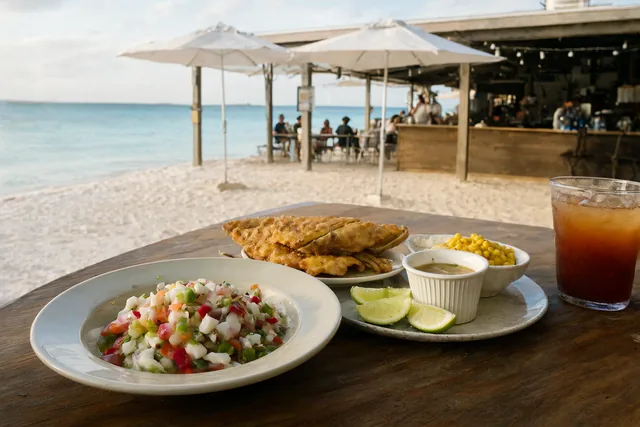
Nicaraguan food is honest, home-style cooking built on corn, beans, rice, plantain and fresh cheese, with grilled meat in the evenings and coconut and seafood on the Caribbean coast. This Nicaragua food guide covers the dishes to order, how to read a Nicaraguan menu in Spanish, the propina on your bill and paying in córdobas, then goes town by town through where to eat in Managua, Granada, León, Masaya, San Juan del Sur, Ometepe and the Corn Islands. The two dishes to start with are gallo pinto, the rice and beans eaten at almost every meal, and the fritanga, the street grill that sets up on the pavement every evening.
What to eat in Nicaragua: 12 dishes to know
Nicaraguans call themselves nicas, and many dishes on a menu will be described as típico or nica. These are the ones worth seeking out.
- Gallo pinto (everywhere): red beans and rice fried together with onion and sweet pepper. At breakfast it comes with eggs, fried cheese, sweet plantain, cream and a tortilla; at lunch and dinner it sits beside almost everything.
- Nacatamal (weekend breakfast): a large tamal wrapped in plantain leaf and steamed for hours, with corn dough, pork or chicken, rice, potato, tomato, onion, sweet pepper and a sprig of mint. Families buy them on Saturday and Sunday mornings and eat them with bread and coffee.
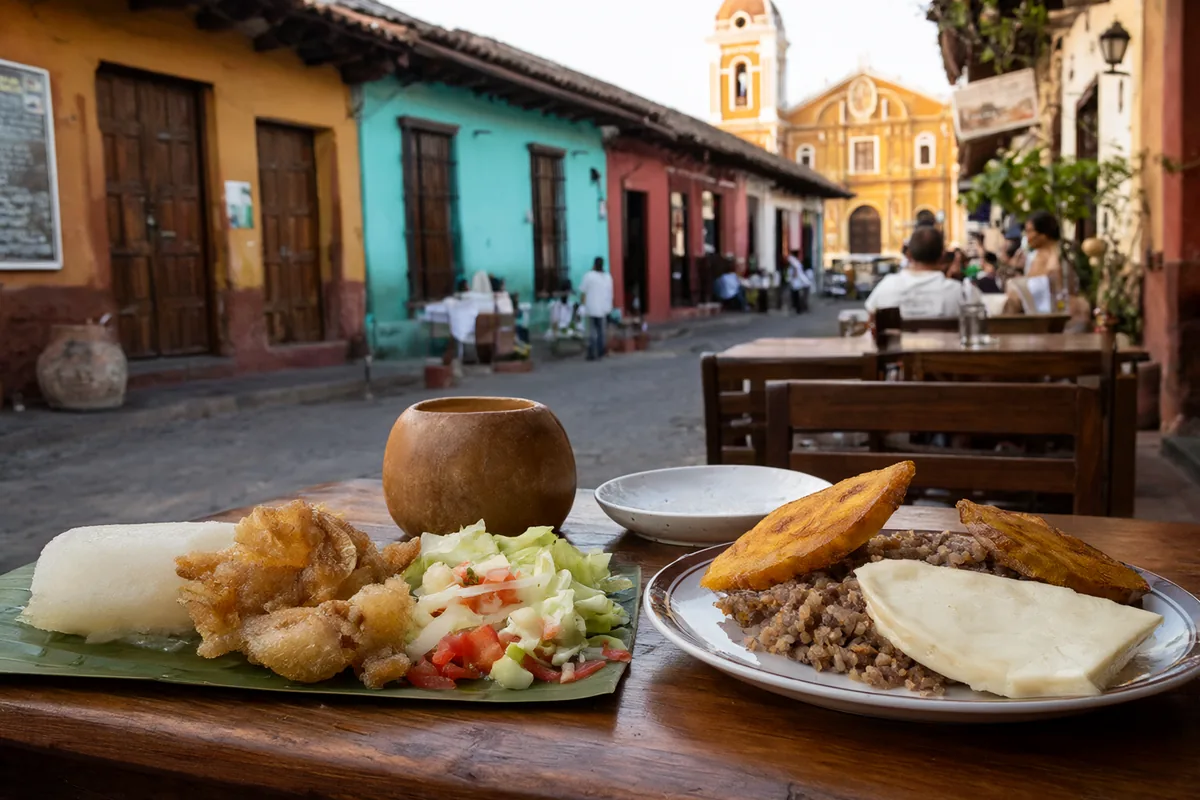
- Vigorón (Granada): boiled cassava topped with crisp pork crackling and a sharp cabbage salad with tomato and vinegar, served on a banana leaf.
- Quesillo (Nagarote and La Paz Centro, near León): a warm tortilla wrapped around soft, stringy fresh cheese, topped with onion pickled in vinegar, cream and salt, traditionally served in a plastic bag.
- Indio viejo: shredded beef in a thick sauce of corn dough, onion, tomato and sour orange, finished with mint. One of the oldest dishes in the country.
- Baho (also spelled vaho): salted beef, green and ripe plantain and cassava layered in plantain leaves and steamed in a large pot, eaten with cabbage salad. A Sunday dish.
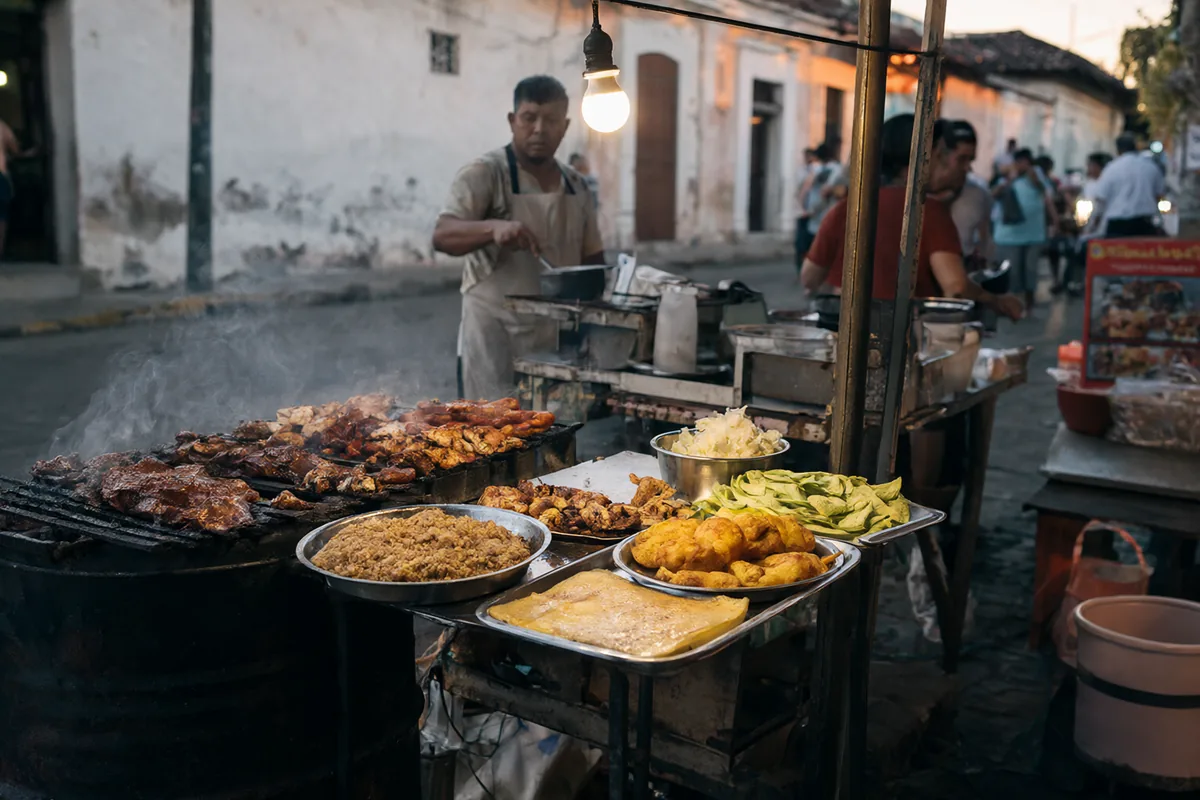
- Fritanga (evenings, everywhere): street and pavement grills selling carne asada, grilled chicken, sausages, fried cheese, gallo pinto, tajadas (fried green plantain chips), sweet plantain and cabbage salad, piled onto a plate or a banana leaf.
- Sopa de mondongo: a long-simmered tripe soup with vegetables, cassava and plantain, popular at weekends.
- Rondón (Caribbean coast and Corn Islands): fish, seafood or meat stewed in coconut milk with cassava, plantain, breadfruit and dumplings, the Nicaraguan version of the Caribbean "run down".
- Güirila (northern highlands): a thick, slightly sweet pancake of fresh young corn, cooked on a griddle and served with cuajada, a soft fresh cheese.
- Tres leches and pío quinto: tres leches is sponge cake soaked in three kinds of milk; pío quinto is a rum-soaked cake with custard, served in small pieces.
- Pinolillo and fresh drinks: pinolillo is a drink of toasted ground corn and cacao with water or milk, traditionally served in a gourd cup called a jícara, and Nicaraguans call themselves pinoleros after it. Fresh fruit drinks (refrescos) include tamarind, cacao, pitahaya and chía. Nicaragua also produces well-regarded rum and coffee.
How to read a Spanish menu in Nicaragua
Spanish is the main language of Nicaragua, and outside tourist areas such as Granada and San Juan del Sur menus are in Spanish only, often handwritten. On the Caribbean coast and the Corn Islands, many people speak Creole English. These are the words you will see most often.
| Spanish | Meaning |
|---|---|
| Desayuno nica / típico | Nicaraguan breakfast: gallo pinto, eggs, cheese, plantain, cream, tortilla |
| Gallo pinto | Red beans and rice fried together |
| Fritanga | Street grill, or a mixed plate from one |
| Carne asada / pollo asado | Grilled beef / grilled chicken |
| Cuajada / quesillo / queso frito | Soft fresh curd cheese / stringy cheese / fried cheese |
| Maduro / tajadas / tostones | Fried sweet plantain / thin green plantain chips / smashed fried green plantain |
| Ensalada de repollo | Cabbage salad with tomato and vinegar |
| Chancho / res / pollo | Pork / beef / chicken |
| Pescado / camarones / langosta | Fish / prawns / lobster |
| Frito / asado / a la plancha | Fried / grilled / cooked on a griddle |
| Sopa / caldo | Soup / broth |
| Refresco natural | Fresh fruit or grain drink |
| Comida corrida / ejecutivo | Set lunch of the day |
| Propina voluntaria | Voluntary tip, often added to the bill |
In Nicaragua, pork is usually chancho, not the cerdo you may have learnt, and quesillo is a street food, not a flan as it is in Venezuela. swap.menu explains local words like these when it translates a Nicaraguan menu, so you know what you are ordering.
Propina, tipping and paying the bill
Check your government's current travel advice before planning a trip. Many sit-down restaurants in Nicaragua add a propina voluntaria, a voluntary tip of 10 percent, to the bill. Most people pay it and leave nothing extra; if it has not been added, leave about 10 percent. At fritangas, markets and street stalls, tipping is not expected. Restaurant prices may or may not include the 15 percent IVA (value added tax), so check whether it is added at the bottom of the bill. Our guide to tax and service charges on menus explains how these lines work.
The currency is the córdoba (C$, NIO). US dollars are accepted in many hotels and tourist restaurants, especially in Granada and San Juan del Sur, but change comes in córdobas and the rate used may not be in your favour, so it is better to pay in córdobas. Cards work in hotels, supermarkets and the better restaurants in the main towns, but fritangas, markets, buses, comedores and most places on Ometepe and the Corn Islands are cash only. Cash machines are limited outside the cities, so carry enough. If a card terminal offers to charge you in your home currency, decline: our guide to paying in local currency explains why.
Breakfast is from about 6am, lunch, the main meal, is between noon and 2pm, and dinner is from about 6pm to 9pm. Fritangas start firing up in the late afternoon and are busiest from dusk.
Where to eat in Nicaragua, town by town
Most visitors follow a loop through the colonial cities of the Pacific side, the lake and the beaches, with a flight across to the Caribbean if time allows. Jump to a destination:
Where to eat in Managua
Managua is a spread-out capital without a traditional centre, so eating here means knowing which districts to head for. The main restaurant strip is the Carretera a Masaya, the road running south-east towards Masaya, lined with grills, cafés, seafood restaurants and international food. In the evening every Managua neighbourhood has its fritangas, where you can point at the grilled meat and sides you want. Managua is also the best place in the country for Sunday baho and weekend nacatamales.
For a market lunch, the Mercado Roberto Huembes has a large craft section and comedores serving soups, gallo pinto and grilled meat at local prices. The enormous Mercado Oriental is best avoided by visitors. Along the lake, the waterfront complex at the old port has open-air restaurants and food stalls that are busy with families at weekends. Getting around Managua means taxis: use ones recommended by your hotel rather than flagging them down.
Where to eat in Granada
Granada, on the shore of Lake Nicaragua, is the most visited city in the country and the easiest place to eat well. Its signature dish is vigorón, sold from stalls around the Parque Central and eaten standing up off a banana leaf; it is the cheapest good lunch in the city. The pedestrian street Calle La Calzada, which runs from the cathedral towards the lake, is lined with restaurants and bars with tables on the street, serving everything from fritanga plates to international food. Prices on La Calzada are higher, but it is a lively place to spend an evening.
For more local food in Granada, try the comedores and fruit stalls in and around the Mercado Municipal, south of the Parque Central, and the fritangas that set up on street corners in the evening. Many colonial houses in Granada now hold restaurants in their courtyards, where you can eat indio viejo or gallo pinto under the arches. A boat trip to Las Isletas, the small islands just offshore, often includes lunch of fried fish from the lake.
Where to eat in León
León, the old university city and Granada's historic rival, is hotter, cheaper and more lived-in, and one of the best places in Nicaragua for street food. In the evening the streets around the centre fill with fritangas, and the Mercado Central behind the cathedral has comedores serving set lunches, soups and fresh drinks during the day. León's student population keeps prices low, and there are plenty of cafés and bars around the main square and the university.
On the highway between Managua and León, the towns of Nagarote and La Paz Centro are famous for quesillos, sold from roadside stalls and small restaurants; many buses and drivers stop for one. From León it is a short trip to the Pacific beaches of Las Peñitas and Poneloya, where beachfront places serve fried fish, prawns and ceviche. León is also the base for volcano boarding on Cerro Negro, and most tours end with a cold drink and a plate of gallo pinto.
Where to eat in Masaya
Masaya, between Managua and Granada, is known as the centre of Nicaraguan folk culture and crafts. Most visitors come for the craft market in the old market building and the active Masaya volcano, but the town also has a busy everyday market with comedores serving nacatamales, soups, vigorón and fried pork with cassava. The indigenous neighbourhood of Monimbó is known for its workshops, festivals and traditional cooking.
The best eating near Masaya is with a view. In Catarina, one of the hill towns known as the Pueblos Blancos, a lookout point above the Laguna de Apoyo crater lake is lined with restaurants and stalls, and in the lagoon itself, lakeside hostels and restaurants serve lunch beside some of the cleanest swimming water in the country. Masaya is an easy day trip from Granada, and many visitors combine the market, the volcano and lunch above the lagoon.
Where to eat in San Juan del Sur
San Juan del Sur is a small fishing town turned surf and beach resort on the Pacific coast, near the Costa Rican border. Seafood is the reason to eat here: the open-sided ranchos along the beach in San Juan del Sur serve grilled and fried whole fish, garlic prawns, ceviche and lobster, with plastic chairs on the sand and sunset views. Prices are higher than inland, and many places quote in US dollars.
For cheaper meals in San Juan del Sur, the town market a few streets back from the beach has comedores serving gallo pinto, grilled chicken and set lunches at local prices, and in the evening fritangas set up nearby. The surf beaches north and south of town, such as Maderas and Remanso, have beach bars and cafés, but choices are limited, so many people eat in town. San Juan del Sur gets busy at weekends and holidays, when Nicaraguans arrive from Managua.
Where to eat on Ometepe
Ometepe is an island formed by two volcanoes rising out of Lake Nicaragua, reached by ferry from San Jorge near Rivas. It is rural, green and slow, and food on Ometepe is simple farm cooking. Small comedores and family kitchens in the villages of Moyogalpa, Altagracia, Santo Domingo, Balgüe and Mérida serve gallo pinto, fried fish from the lake, chicken, plantain and fresh fruit drinks. Many hostels and farm stays cook meals with their own vegetables, fruit and coffee.
Ometepe is a good place to see where Nicaraguan ingredients come from: plantain, rice, beans, cacao and coffee are grown on the volcano slopes, and some farms offer chocolate-making and coffee tours. Choice is limited and opening hours are short, especially in the evening, so eat where you are staying or ask locally what is open. Bring córdobas in cash, because cash machines on Ometepe are few.
Where to eat on the Corn Islands
The Corn Islands, Big Corn and Little Corn, lie in the Caribbean off Nicaragua's east coast, and they feel like a different country. Islanders speak Creole English, and the cooking is Caribbean: rondón (run down) stewed in coconut milk, fried fish, coconut bread, crab soup and, in season, very fresh and very cheap lobster. Lobster fishing closes for a few months in spring and early summer, so outside the season it will be off the menu.
On Big Corn, small restaurants and family kitchens around the island serve fish, lobster and rice and beans cooked in coconut milk. Little Corn has no cars and a handful of beach restaurants and guesthouses that serve whatever the boats brought in. If you are on Big Corn on 27 August, the Crab Soup Festival marks the anniversary of emancipation with music, parades and big pots of crab soup. Everything on the Corn Islands is cash, so bring enough córdobas from the mainland.
Vegetarian, vegan and allergy tips
Vegetarians can eat in Nicaragua, though choice can be repetitive. Gallo pinto, eggs, fried cheese, quesillo, plantain, güirila with cuajada, cabbage salad and fresh fruit are all meat-free. Ask about gallo pinto, though, because it is sometimes fried in lard or pork fat, and soups are usually made with meat or chicken stock. Vegans will need to ask for dishes sin queso y sin crema (without cheese and cream). The word for vegetarian is vegetariano (or vegetariana), and vegan is vegano.
Corn is the base of tortillas, nacatamales and many drinks, which helps those avoiding wheat, but cross-contact on shared griddles is common. Shellfish appears in soups and stews on both coasts, and coconut is in almost every dish on the Caribbean side. Our guide to eating abroad with food allergies explains how to make an allergy clear in a language you do not speak.
Useful Spanish phrases for ordering in Nicaragua
Buenos días / Buenas tardes "Good morning / Good afternoon", always greet first
Una mesa para dos, por favor "A table for two, please"
¿Qué me recomienda? "What do you recommend?"
Un plato de fritanga con gallo pinto "A fritanga plate with gallo pinto": then point at the meats and sides you want
¿Cuánto es? "How much is it?"
Soy vegetariano / vegetariana "I am vegetarian"
Soy alérgico / alérgica a... "I am allergic to..."
La cuenta, por favor "The bill, please". You may hear foreigners called "chele", a friendly term, and good food described as "tuani", cool
How swap.menu helps you eat in Nicaragua
Nicaraguan menus are short, often handwritten, and full of local words that even fluent Spanish speakers may not know: vigorón, baho, indio viejo, güirila, pinolillo, chancho. Photograph the menu with swap.menu and every dish appears in your language with the Spanish name beside it and a short explanation. Prices are converted from córdobas or US dollars to your home currency, and we point out the propina and any IVA added to the bill.
Tap the dishes you want, add a note such as "no pork" or "no cheese, please", typed or spoken, and swap.menu translates your order into Spanish. Show the waiter your phone, or let them scan the QR code and read your order on their own screen. Try it now on a sample menu with the free demo, or see travel pass prices.
Off to Nicaragua? Your first 3 menu scans are free, and a travel pass starts from $4.99 with nothing that renews.
Start free with 3 scansNicaragua food FAQ
Do you tip in restaurants in Nicaragua?
Many restaurants add a voluntary 10 percent tip to the bill, which most people pay. If it has not been added, leave about 10 percent at a sit-down restaurant. Tipping is not expected at fritangas or market stalls.
What is the national dish of Nicaragua?
Gallo pinto, red beans and rice fried together, is the dish Nicaraguans eat most and is often called the national dish. Nacatamales, vigorón and indio viejo are also strongly linked to Nicaraguan identity.
Is Nicaragua expensive to eat out?
No. Nicaragua is one of the cheapest countries in Central America to eat in, especially at fritangas, markets and comedores. Tourist restaurants in Granada and San Juan del Sur cost more, and some price in US dollars.
Is tap water safe to drink in Nicaragua?
It is safest to drink bottled or purified water throughout Nicaragua. Many hotels and hostels have refill stations, and restaurants usually use purified ice.
Can I pay in US dollars in Nicaragua?
US dollars are accepted at many hotels and tourist restaurants, but change is given in córdobas. Paying in córdobas is usually cheaper, and markets, buses and small places only take local cash.
How can I read a Nicaraguan menu if I do not speak Spanish?
Learn a few words such as gallo pinto, fritanga, maduro and propina, or photograph the menu with swap.menu. It translates every dish into your language, explains local terms, converts prices from córdobas and translates your order back into Spanish.
Travelling further in Central America? Read our food guides for neighbouring countries:
- Costa Rica food guide
- Honduras food guide
- El Salvador food guide
- Panama food guide
- Guatemala food guide
Or browse every travel food guide.