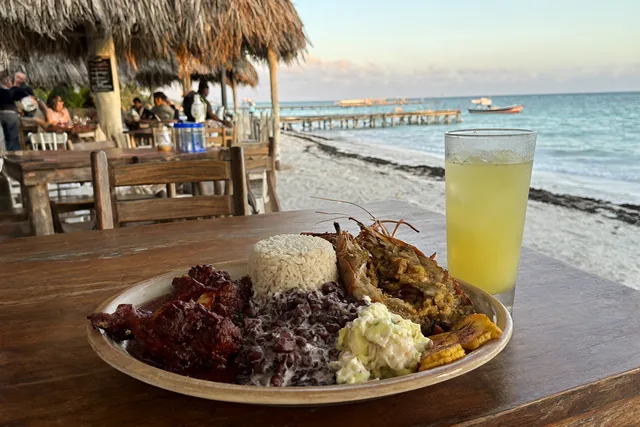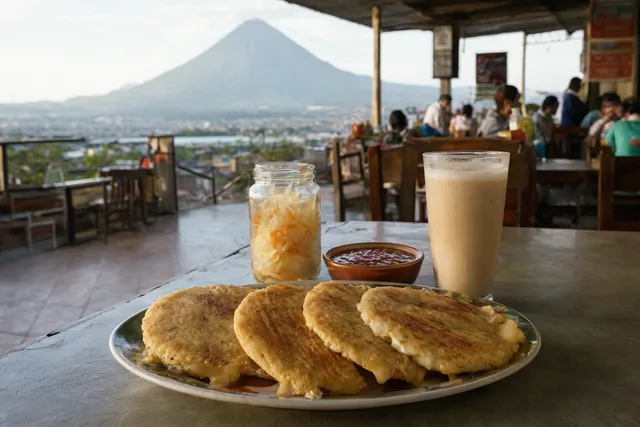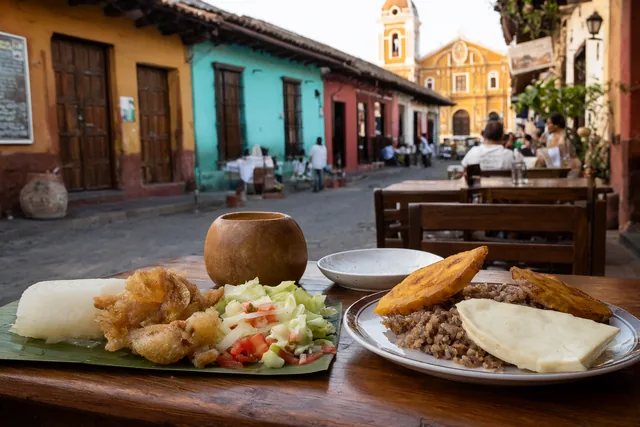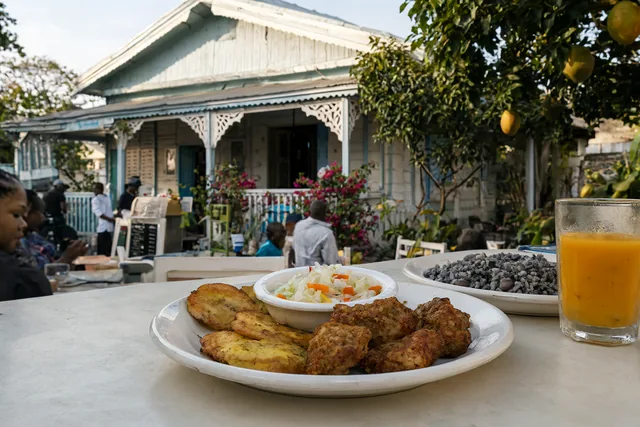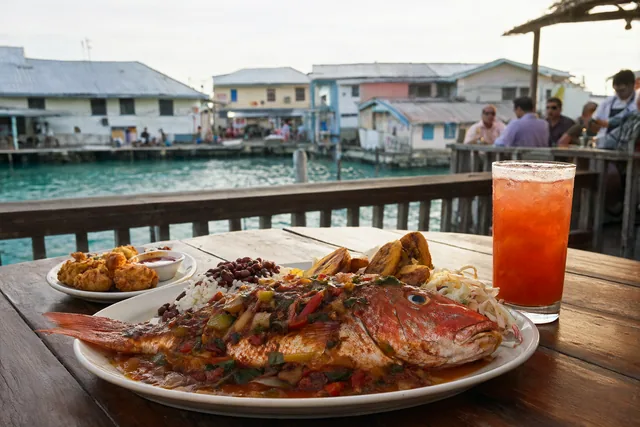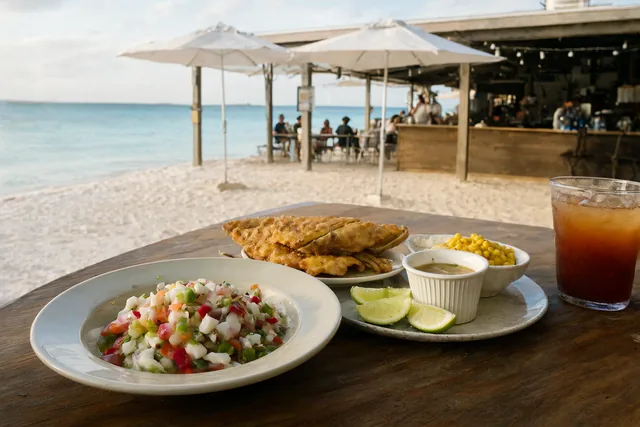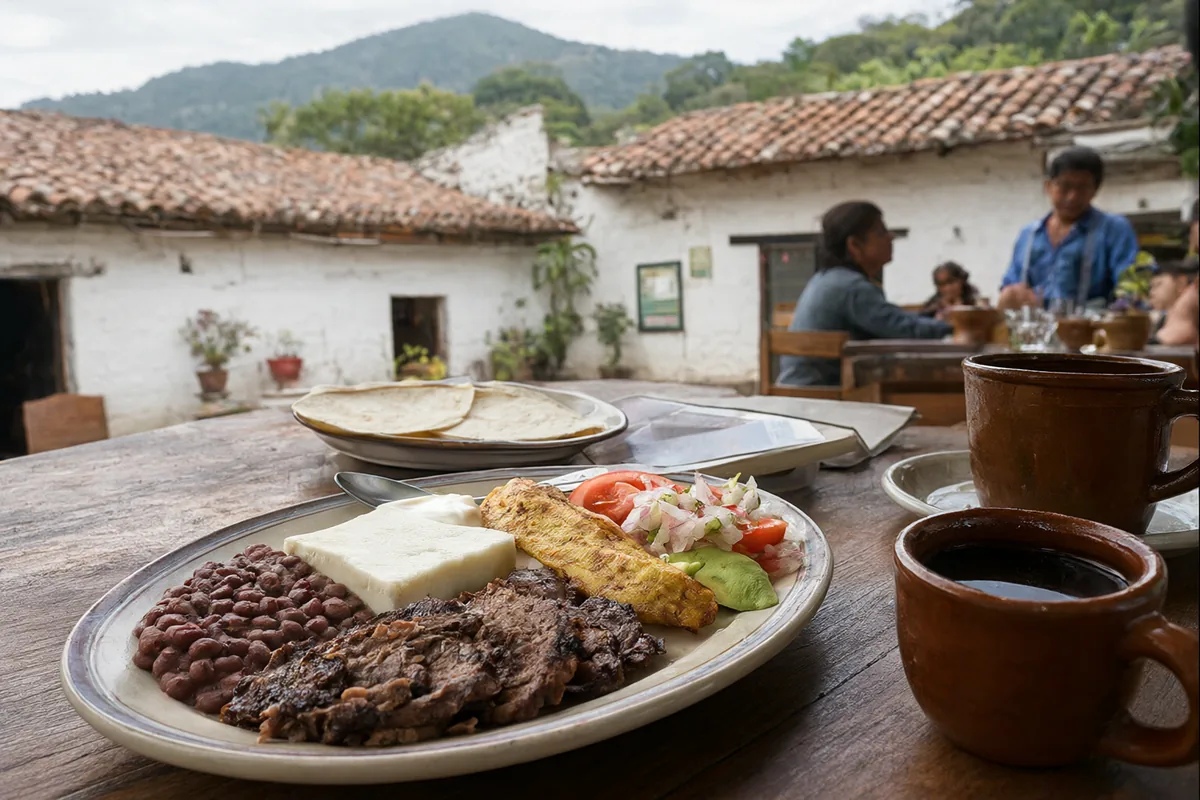
Honduran food is generous, cheap and built on a few things done well: beans, corn and flour tortillas, salty fresh cheese, a thin soured cream the locals call mantequilla, plantain in every form, and on the Caribbean coast, coconut and seafood. This Honduras food guide covers the dishes to order, how to read a Honduran menu in Spanish, how tax and tipping work, then goes city by city through where to eat in Tegucigalpa, San Pedro Sula, Copán Ruinas, La Ceiba, Roatán and Utila. If you only learn one word, make it baleada: the folded flour tortilla that Hondurans eat at breakfast, lunch and late at night.
What to eat in Honduras: 12 dishes to know
Hondurans call themselves catrachos, and the food is a point of national pride. These are the dishes worth seeking out, with the region they belong to.
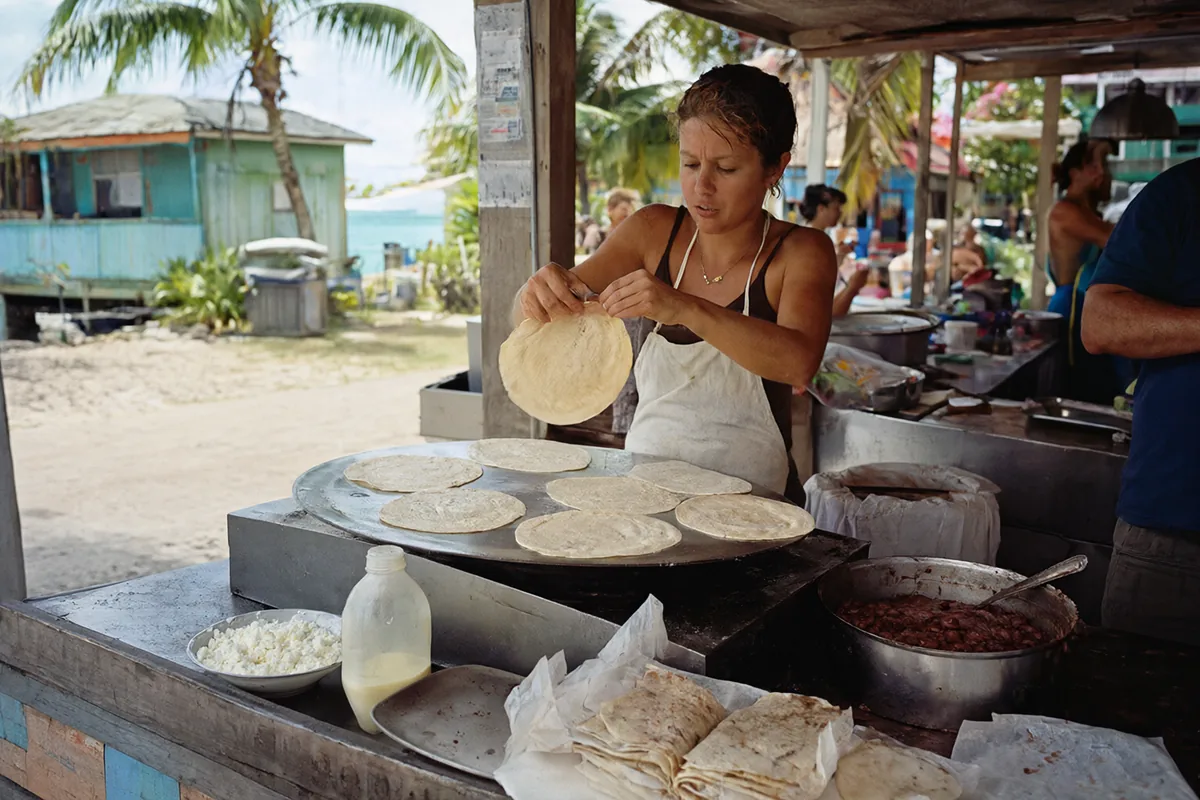
- Baleada (everywhere, born on the north coast): a thick, soft flour tortilla folded over refried red beans, crumbled hard cheese and mantequilla. A baleada sencilla is just those three; con todo adds scrambled egg, avocado and often grilled meat.
- Plato típico (everywhere): the classic plate of carne asada (grilled beef), refried beans, fried ripe plantain, a slab of fresh cheese, mantequilla, avocado, chimol salsa and corn tortillas.
- Sopa de caracol (Caribbean coast): conch soup in coconut milk with green plantain, cassava and coriander, the dish Hondurans associate with the north coast and the Bay Islands.
- Pollo chuco (San Pedro Sula): fried chicken piled on top of tajadas (fried green plantain slices), with shredded cabbage, pickled onion and a pink sauce. Messy, filling and very popular.
- Enchiladas hondureñas: not rolled like Mexican enchiladas, but flat fried tortillas topped with seasoned minced beef, cabbage, tomato sauce, boiled egg and grated cheese.
- Tapado (Garifuna, north coast): a rich stew of fish, crab or other seafood in coconut milk with plantain and cassava. In the eastern Olancho region, tapado olanchano is a different dish made with dried and salted meats.
- Machuca (Garifuna): mashed green plantain served with a coconut fish soup, eaten by tearing off pieces of plantain and dipping.
- Pastelitos: fried corn turnovers filled with minced meat, potato and rice, served with cabbage and tomato sauce. A cheap afternoon snack.
- Anafre: refried beans and melted cheese bubbling in a clay pot over a small charcoal burner, scooped with tortilla chips. A favourite to share with beer.
- Yuca con chicharrón: boiled cassava topped with crisp fried pork, cabbage salad and tomato sauce.
- Pescado frito (Lake Yojoa and the coast): a whole fried fish, usually tilapia at the lake or snapper on the coast, with tajadas, cabbage and pickled onion.
- Pan de coco and rosquillas: soft coconut bread baked by Garifuna women on the coast, and crunchy corn and cheese rings eaten with coffee in the highlands. Honduras also grows excellent coffee, especially around Copán, Marcala and Santa Bárbara.
How to read a Spanish menu in Honduras
Spanish is the language of Honduras, and outside Roatán, Utila and the bigger hotels most menus are only in Spanish. Many local places have no printed menu at all, just a board listing the day's dishes. On the Bay Islands, English is the native language of many islanders. Here are the words you will see most often.
| Spanish | Meaning |
|---|---|
| Desayuno típico | Traditional breakfast: eggs, beans, plantain, cheese, cream, tortillas |
| Plato típico / plato del día | Traditional plate / dish of the day |
| Baleada sencilla / con todo | Plain baleada / baleada with everything |
| Mantequilla | In Honduras, a thin soured cream, not butter |
| Queso / quesillo / cuajada | Hard salty cheese / soft stringy cheese / fresh curd cheese |
| Frijoles fritos / parados | Refried beans / whole stewed beans |
| Tajadas / maduros | Fried green plantain slices / fried ripe sweet plantain |
| Chimol | Fresh salsa of tomato, onion, coriander and lime |
| Res / cerdo / pollo | Beef / pork / chicken |
| Mariscos / pescado / caracol | Seafood / fish / conch |
| Asado / frito / a la plancha | Grilled / fried / cooked on a griddle |
| Refresco natural / licuado | Fresh fruit drink / fruit blended with milk or water |
| Para llevar / para comer aquí | To take away / to eat here |
| ISV incluido | Sales tax included in the price |
"Mantequilla" is the word that fools most Spanish speakers from other countries as well as English speakers: in Honduras it means soured cream, so a "baleada con mantequilla" is not buttered bread. swap.menu explains local terms like this when it translates a Honduran menu, so you know exactly what is in each dish.
ISV, tipping and paying the bill
Check your government's current travel advice before planning a trip. Honduras charges a sales tax called ISV (Impuesto Sobre Ventas): 15 percent on most food and 18 percent on alcohol. Cheap local places, street stalls and market comedores include it in the price, while many sit-down restaurants list prices without it and add it to the bill. Some restaurants also add a tip line of around 10 percent. Our guide to tax and service charges on menus explains how these lines work.
Tipping is customary in sit-down restaurants. Leave around 10 percent if it has not already been added, and check the bill first so you do not tip twice. At baleada stands, markets and small comedores, tipping is not expected, though leaving a few lempiras is appreciated. On Roatán and Utila, where much of the tourism is from North America, 10 to 15 percent is normal.
The currency is the lempira (L, HNL). US dollars are accepted widely on Roatán and Utila, where many tourist menus are priced in them, but on the mainland you will need lempiras. Cards are accepted in hotels, malls, chain restaurants and the better restaurants in Tegucigalpa and San Pedro Sula; markets, buses, comedores and baleada stands are cash only. Use cash machines inside banks or shopping centres. If a card machine offers to charge you in your home currency, choose lempiras: our guide to paying in local currency explains why that saves you money.
Breakfast starts early, from about 6am. Lunch, the main meal for many Hondurans, is between noon and 2pm, and dinner is from around 6pm to 9pm. Baleada stands often open in the evening and stay busy until late.
Where to eat in Honduras, city by city
Honduras divides neatly into the cool, mountainous interior with the capital and the Maya ruins, the hot north coast with its Garifuna villages, and the Bay Islands offshore. Jump to a destination:
Where to eat in Tegucigalpa
Tegucigalpa, the capital, sits in a high valley and is cooler than the coast, which suits its heavy, comforting food: plato típico, sopa de mondongo (tripe soup), sopa de res (beef and vegetable soup), tamales and anafre. The historic centre, around the cathedral, the Parque Central and the pedestrian street Paseo Liquidámbar, has cafés, bakeries and simple lunch places. Across the river in Comayagüela, the large Mercado San Isidro is the city's main market, with comedores serving cheap set lunches, though it is crowded and best visited with a local.
Most of Tegucigalpa's sit-down restaurants are in the newer districts along Boulevard Morazán and in neighbourhoods such as Colonia Palmira and Lomas del Guijarro, where you will find grills, seafood restaurants and international food. For a relaxed weekend lunch, many Tegucigalpa families drive up to the hill towns of Santa Lucía and Valle de Ángeles, which have cobbled streets, craft shops and restaurants serving grilled meats and anafre. Use registered taxis or ride-hailing apps rather than walking between neighbourhoods, especially after dark.
Where to eat in San Pedro Sula
San Pedro Sula is the country's business and industrial centre and the main international gateway, and its food is fast, hearty and cheap. This is the home of pollo chuco, fried chicken on fried plantain with cabbage and sauce, sold from street stalls and small restaurants all over the city. San Pedro Sula also has some of the best baleada stands in the country, and they stay open late. The Mercado Guamilito in the centre is a good stop: part craft market, part food market, with comedores selling plato típico, soups and fresh fruit drinks.
The restaurant district of San Pedro Sula is in Barrio Río de Piedras and along the ring road, the Circunvalación, where you will find steakhouses, seafood and cafés. If you are driving between San Pedro Sula and Tegucigalpa, stop at Lake Yojoa, the country's largest natural lake, where roadside restaurants along the shore fry whole tilapia caught in the lake and serve it with tajadas and pickled onion. As in Tegucigalpa, take taxis rather than walking at night.
Where to eat in Copán Ruinas
Copán Ruinas is a small colonial town of cobbled streets and red tile roofs, a short walk from one of the most important Maya sites in Central America. It is the most relaxed place on the mainland for visitors, and the food reflects it: cafés and restaurants around the central park serve plato típico, baleadas and grilled meats alongside international dishes, and simple comedores on the side streets offer a set lunch of soup, rice, beans, meat and a fresh drink for much less.
The hills around Copán Ruinas are coffee country, and the coffee here is some of the best in Honduras. Several farms in the area offer tours that walk you through picking, drying and roasting, often ending with a tasting. In town, look for tamales de elote (sweet corn tamales), atol de elote (a warm, thick corn drink) and fresh tortillas from small family kitchens. Copán Ruinas is also close to the Guatemalan border, so you will hear about Guatemalan dishes too.
Where to eat in La Ceiba
La Ceiba, on the Caribbean coast, is the jumping-off point for the ferries to Roatán and Utila, and it claims to be the birthplace of the baleada. It is also the best city for Garifuna food: sopa de caracol, tapado, machuca, coconut rice and pan de coco. The city's main nightlife and restaurant strip is the Zona Viva along the seafront in Barrio La Isla, with seafood restaurants, bars and baleada stands. In May, La Ceiba holds a large carnival with street food stalls across the city.
For the best Garifuna cooking near La Ceiba, head east to the villages of Sambo Creek and Corozal, where beachfront restaurants serve tapado, fried fish and conch soup with views of the Cayos Cochinos islands. Ask for pan de coco in the morning, when it is warm, and try the coconut bread with a coffee. Most places along the coast are casual and cash only.
Where to eat in Roatán
Roatán is the largest of the Bay Islands and the most visited part of Honduras, with cruise ships, dive resorts and a coral reef just off the beach. The island's food is a mix of Honduran, Caribbean and North American cooking: grilled fish, conch fritters, coconut shrimp, sopa de caracol, and lionfish, an invasive species that restaurants put on the menu to help protect the reef. The main eating areas are West End, a waterfront village of bars, restaurants and dive shops, and West Bay, the beach just south of it, which is more resort-focused and more expensive.
For a cheaper and more local meal on Roatán, look for baleada stands and small comedores in Coxen Hole, the island's main town, and seafood in French Harbour, home of the island's fishing fleet. The Garifuna community of Punta Gorda on the north coast is the place for tapado and machuca. Many Roatán restaurants price in US dollars and add ISV and a service charge, so check the menu, and note that islanders speak English as their first language.
Where to eat in Utila
Utila is the small, budget-friendly Bay Island, famous for cheap dive courses and a young backpacker crowd. Food on Utila is simple and good value. In the morning, baleada stands on the main street sell them hot off the griddle, and at lunch small local kitchens serve fried fish, rice and beans cooked in coconut, and plato típico. Seafood restaurants along the water serve grilled fish and conch, and there is a steady supply of cafés, pizza and bar food for the dive crowd.
Utila town is compact, so you can walk the whole strip and compare menus in half an hour. Prices are lower than on Roatán, but most things are still shipped in, so fresh vegetables can be limited and expensive. Many places take only cash, and cash machines can run out at weekends, so bring enough lempiras or US dollars from the mainland.
Vegetarian, vegan and allergy tips
Vegetarians eat well in Honduras if they like beans, cheese, eggs and plantain. A baleada sencilla, a desayuno típico without the meat, anafre and pastelitos de frijol are easy orders. Watch for hidden meat: beans are sometimes fried in lard, soups are usually made with meat or chicken stock, and the word chicharrón (pork crackling) appears on many plates. Vegans will find it harder, because cheese and mantequilla come with almost everything, so ask for sin queso y sin mantequilla. The word for vegetarian is vegetariano (or vegetariana), and vegan is vegano.
Coconut milk is used in many Caribbean coast dishes, and shellfish such as conch, shrimp and crab appear in soups and stews that may not list them. Fried food is often cooked in shared oil. Our guide to eating abroad with food allergies explains how to explain an allergy clearly in a language you do not speak.
Useful Spanish phrases for ordering in Honduras
Buenos días / Buenas tardes "Good morning / Good afternoon", always greet before ordering
Una mesa para dos, por favor "A table for two, please"
¿Qué me recomienda? "What do you recommend?"
Una baleada con todo, por favor "A baleada with everything, please"
Soy vegetariano / vegetariana "I am vegetarian" (vegetariano for a man, vegetariana for a woman)
Soy alérgico / alérgica a... "I am allergic to..."
La cuenta, por favor "The bill, please"
¡Qué rico, gracias! "Delicious, thank you!" You may hear "cheque" in reply, Honduran slang for "OK"
How swap.menu helps you eat in Honduras
Outside the Bay Islands, most Honduran menus are in Spanish only, often handwritten on a board, and full of local words that even Spanish speakers from Mexico or Spain do not know: mantequilla, tajadas, chimol, pollo chuco, tapado. Photograph the menu with swap.menu and every dish appears in your language with the Spanish name beside it and a short explanation. Prices are converted from lempiras or US dollars to your home currency, and we flag where ISV or a tip line will be added.
Tap the dishes you want, add a note such as "no meat" or "no cheese, please", typed or spoken, and swap.menu translates your order into Spanish. Show the person at the counter your phone, or let them scan the QR code and read your order on their own screen. Try it now on a sample menu with the free demo, or see travel pass prices.
Off to Honduras? Your first 3 menu scans are free, and a travel pass starts from $4.99 with nothing that renews.
Start free with 3 scansHonduras food FAQ
Do you tip in restaurants in Honduras?
Yes, around 10 percent is customary in sit-down restaurants if a tip has not already been added to the bill. Tipping is not expected at street stands or small comedores. On Roatán and Utila, 10 to 15 percent is normal.
What is the national dish of Honduras?
The plato típico, a plate of grilled beef, beans, plantain, cheese, cream and tortillas, is often called the national dish. The baleada is the most popular everyday food, and sopa de caracol is the dish most linked to the Caribbean coast.
Is Honduras expensive to eat out?
No, eating out on the mainland is cheap. Baleadas, set lunches and market food cost very little, and even sit-down meals are reasonably priced. Roatán is noticeably more expensive, with many tourist restaurants charging in US dollars.
Is tap water safe to drink in Honduras?
No. Drink bottled or purified water, which is cheap and sold everywhere, and use it for brushing your teeth. Ice in restaurants and hotels is usually made from purified water, but ask if you are unsure.
What is a baleada?
A baleada is a thick flour tortilla folded over refried beans, crumbled cheese and soured cream. You can add egg, avocado, meat or other fillings. It is eaten at any time of day and is the most common street food in Honduras.
How can I read a Honduran menu if I do not speak Spanish?
Learn a few key words such as baleada, plato típico, tajadas and mantequilla, or photograph the menu with swap.menu. It translates every dish into your language, explains local terms, converts prices from lempiras and translates your order back into Spanish.
Travelling further in Central America? Read our food guides for neighbouring countries:
- Guatemala food guide
- El Salvador food guide
- Nicaragua food guide
- Belize food guide
- Costa Rica food guide
Or browse every travel food guide.