Belize is small, but its kitchen draws on four or five cultures at once: Kriol, Mestizo, Garifuna, Maya, plus Mennonite farms and Chinese and Lebanese family businesses. That mix is why the same lunch counter can sell stew chicken, Yucatec-style salbutes and a Garifuna fish soup. This Belize food guide covers the dishes to order, the Belizean menu terms that catch out English-speaking visitors, how tipping and GST work, then goes town by town through where to eat in Belize City, San Pedro, Caye Caulker, San Ignacio, Placencia and Hopkins. Eat where Belizeans eat at least once a day: the best plates come from small family cookshops, market stalls and the grills set up on the sand in the evening.
What to eat in Belize: 12 dishes to know
Belizean food is filling, mildly spiced at the table and fiery once you reach for the bottle of habanero sauce that sits on almost every counter. These are the dishes worth seeking out, with the community or region they are most linked to.
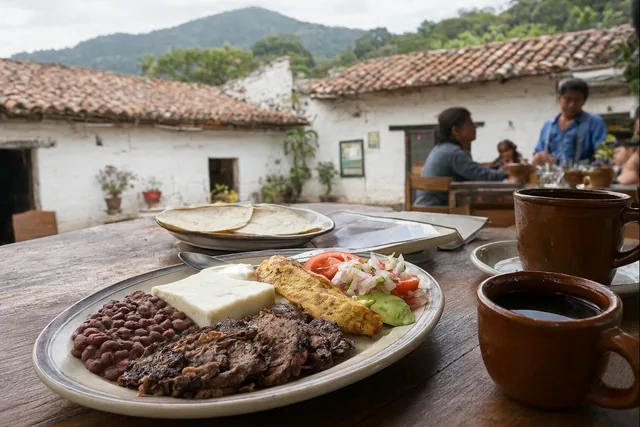
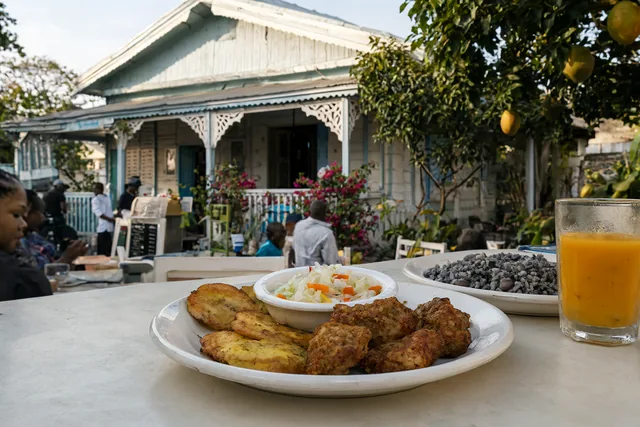
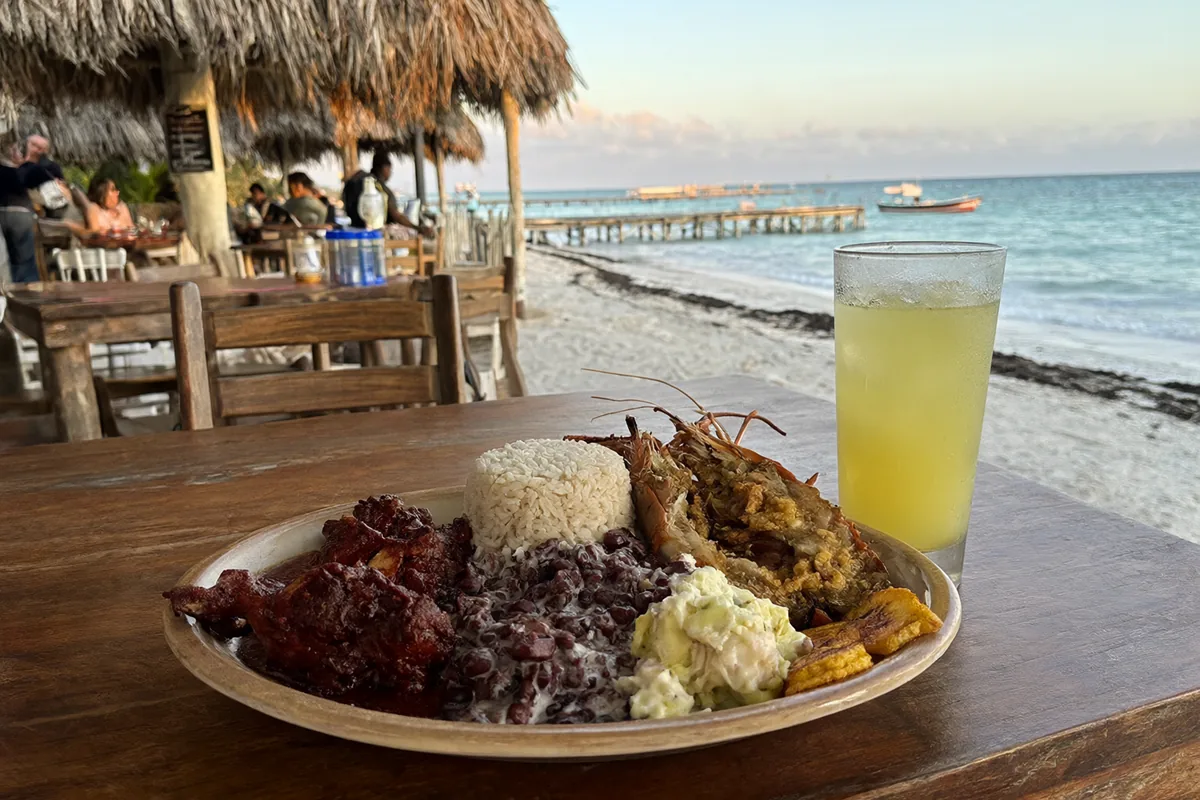
- Stew chicken with rice and beans (everywhere): the national lunch. Chicken is rubbed with red recado (annatto paste), browned and stewed into a dark, savoury gravy, then served with rice and red kidney beans cooked together in coconut milk, plus potato salad or coleslaw and sometimes fried plantain.
- Fry jacks (breakfast, everywhere): puffy squares or triangles of fried dough, eaten with refried beans, eggs, ham or cheese, or split open with jam or honey.
- Johnny cakes (Kriol): dense baked biscuits made with coconut milk, split and filled with ham or cheese for breakfast.
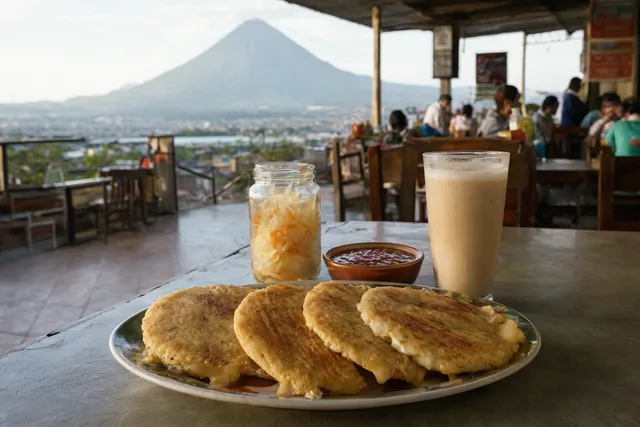
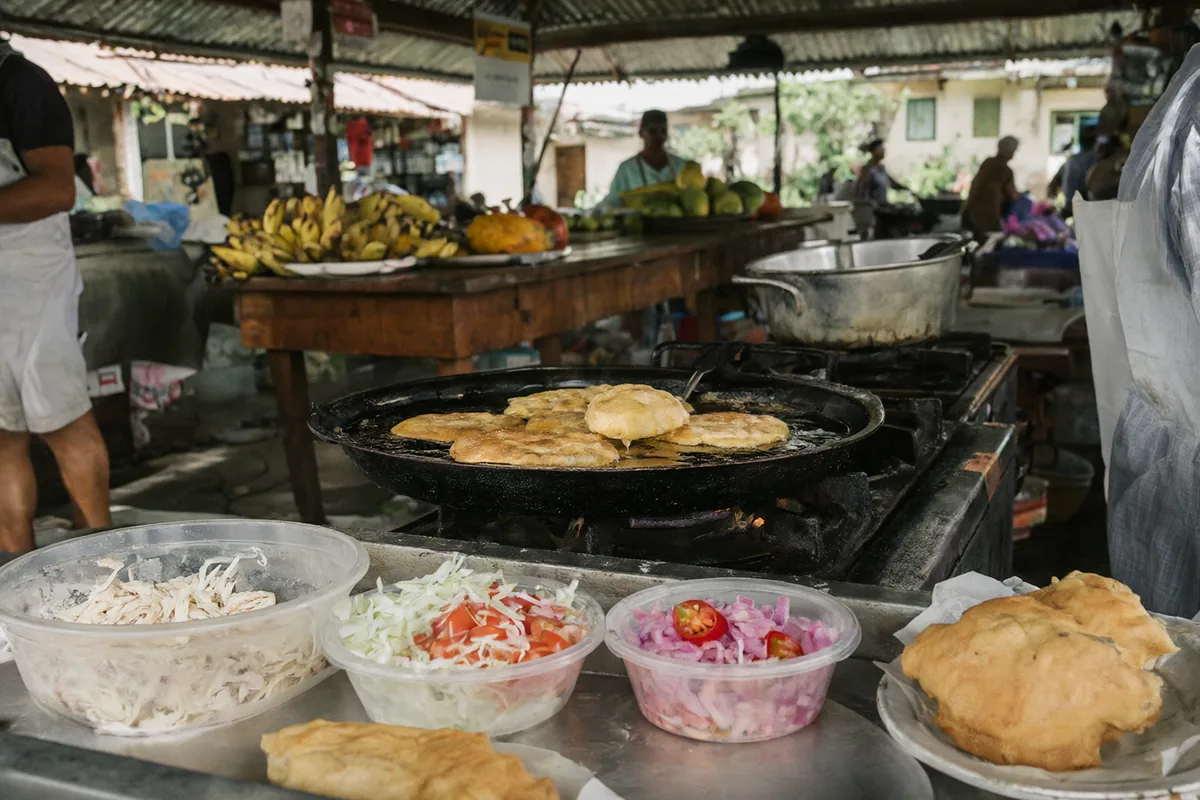
- Garnaches, salbutes and panades (Mestizo and Maya, everywhere): the holy trinity of cheap Belizean snacks. Garnaches are crisp fried tortillas topped with refried beans, cabbage and grated cheese. Salbutes are soft, puffy fried tortillas with shredded chicken, cabbage and tomato. Panades are fried corn turnovers stuffed with fish or beans, served with a pickled onion and habanero sauce.
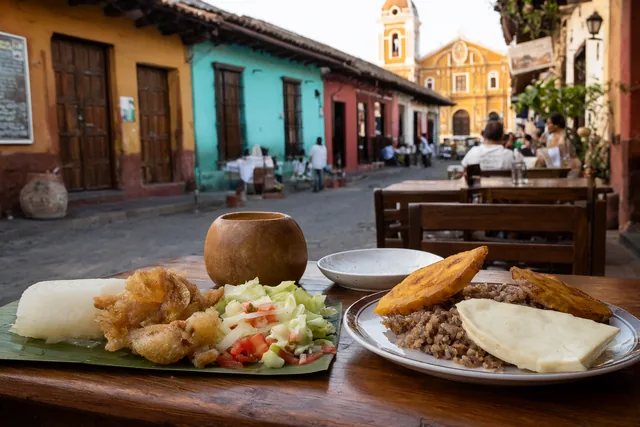
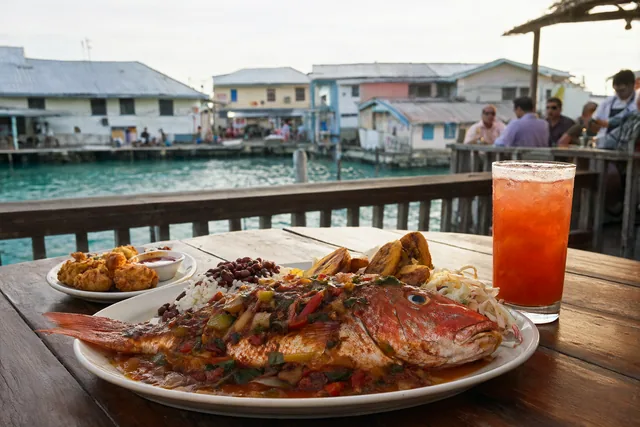
- Hudut (Garifuna, southern coast): whole fish simmered in a coconut broth seasoned with herbs, served with a bowl of mashed green and ripe plantain pounded in a wooden mortar. You pinch off plantain and dip it into the broth.
- Boil up (Kriol): a plate of boiled fish or pig tail, eggs, cassava, yam, sweet potato, plantain and flour dumplings, all covered in a tomato and onion sauce.
- Black relleno or chimole (Mestizo): a black soup coloured with a paste of burnt dried chillies, with chicken, boiled egg and a pork meatball stuffing. It looks alarming and tastes deep and smoky.
- Escabeche (Mestizo, north and west): chicken in a clear, peppery onion broth sharpened with vinegar, eaten with warm corn tortillas.
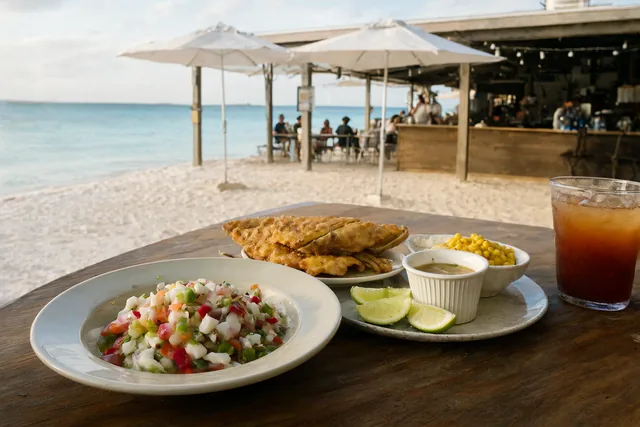
- Conch fritters and conch ceviche (cayes and coast): conch chopped with lime, onion, tomato, coriander and habanero, or battered and fried. Conch is out of season from July to the end of September.
- Grilled lobster (cayes and Placencia): spiny lobster, grilled with garlic butter or curried. The season runs from mid-June to mid-February, and towns open it with lobster festivals.
- Ducunu and tamales (Mestizo and Maya): ducunu is a sweet young-corn tamale steamed in the husk; tamales are corn dough with chicken in a red recado sauce, wrapped in plantain leaf.
- Seaweed shake and rum popo (drinks): the shake is blended from dried seaweed, milk, cinnamon and nutmeg, and is far nicer than it sounds. Rum popo is a rich rum and egg drink made around Christmas.
How to read a menu in Belize
English is the official language and every menu is written in it, but the words do not always mean what a visitor expects. Kriol is the everyday language of much of the country, Spanish is spoken widely in the north and in Cayo, and Garifuna and Maya dishes keep their own names. These are the terms you will see most often.
| Belizean term | What it means |
|---|---|
| Rice and beans | Rice and red beans cooked together in coconut milk |
| Beans and rice | White rice with stewed beans served separately beside it |
| Stew (chicken, beef, pork) | Meat browned with red recado and simmered in a dark gravy |
| Recado | Seasoning paste: red (annatto) for stews, black (burnt chilli) for relleno |
| Fry jack | Fried dough eaten at breakfast |
| Johnny cake | Baked coconut biscuit, not the fried bread of other islands |
| Boil up | Boiled fish or pig tail with root vegetables, eggs and dumplings |
| Hudut / sere | Garifuna fish in coconut broth (with mashed plantain for hudut) |
| Gibnut | Paca, a large wild rodent, roasted or stewed: a traditional meat |
| Cowfoot soup | Rich soup of cow's feet, okra and vegetables, a Saturday favourite |
| Habanero sauce | The bottle on the table: carrot, onion and habanero, very hot |
| Dutch cheese | Edam-style cheese, grated over garnaches |
| BZ$ / US$ | Belize dollars or US dollars: check which one a price is in |
The single most useful question in Belize is "Is that BZ or US?" Tourist menus on the cayes are often priced in US dollars, local cookshops in Belize dollars, and both use the same "$" sign. swap.menu asks you which currency the menu uses and converts every line to your home currency, so a lobster dinner does not end up costing double what you thought.
Tipping, GST and paying the bill
Belize charges a General Sales Tax (GST) of 12.5 percent. Local cookshops and street stalls include it in the price, but many sit-down and resort restaurants list prices before tax and add it at the bottom of the bill. Some tourist restaurants also add a service charge, usually around 10 percent, so read the bill before you tip. Our guide to tax and service charges on menus explains how these extra lines work around the world.
Tipping is not a firm rule with locals, but it is expected in tourist areas. Leave 10 to 15 percent at sit-down restaurants and bars if no service charge has been added. At a market stall or a takeaway counter, keeping the small change is fine. Tour guides and boat crews on snorkelling trips are usually tipped separately.
The currency is the Belize dollar (BZ$, BZD), which is fixed to the US dollar. US cash is accepted almost everywhere tourists go, but you will often get change in Belize dollars, so bring small US notes or take out local cash. Cards work in hotels, resorts and most restaurants in San Pedro, Placencia and Belize City, often with a card fee of a few percent added. Markets, cookshops, buses and village restaurants are cash only. If a card terminal offers to charge you in your home currency, decline and pay in the local currency: our guide to paying in local currency explains why.
Belize eats early. Breakfast is from about 6am, lunch is the main meal between 11:30am and 1:30pm, and many local places sell out of rice and beans by mid-afternoon. Dinner runs from 6pm to about 9pm, later on the cayes. On Sundays many family-run places close.
Where to eat in Belize, town by town
Belize is easy to travel by bus, small plane and water taxi, and each stop has its own food. The cayes are about seafood and beach grills, Cayo is Mestizo and Maya cooking, and the south coast is Garifuna country. Jump to a town:
Where to eat in Belize City
Most visitors pass through Belize City on the way to the islands, but it is the best place in the country to eat everyday Kriol food. Lunch is the meal to plan around: small cookshops ladle out stew chicken, stew beef, rice and beans, potato salad and fried plantain from about 11am, and when the pot is empty they close. Saturday is soup day in many Belizean homes and cookshops, so look for cowfoot soup, escabeche and black relleno. Breakfast is fry jacks or johnny cakes with beans and eggs, and a mid-morning snack is a meat pie or a bag of garnaches.
The safest and easiest areas to eat in Belize City are around the Fort George district, the seafront along Marine Parade, and the shopping streets on either side of the Swing Bridge, including Albert Street and Queen Street. You will also notice how many Chinese-run restaurants there are, serving fried chicken, chow mein and fried rice in large portions; they are a genuine part of Belize City food culture. Eat in daylight in the centre and take a registered taxi at night rather than walking between neighbourhoods.
Where to eat in San Pedro
San Pedro, on Ambergris Caye, is the most visited place in Belize and has the widest range of restaurants, from beach bars on wooden piers to resort dining rooms. Seafood leads: grilled snapper and grouper, conch ceviche, shrimp, and lobster during the season, when San Pedro holds a lobster festival in June or July. Restaurants along the beach and on Front Street (Barrier Reef Drive) are the most convenient, and the most expensive. North of the bridge, the island's resorts each have their own restaurant, reached by golf cart or water taxi.
For a cheaper and more local meal in San Pedro, walk to Middle Street and Back Street, where family places sell rice and beans, stew chicken and panades at Belize-dollar prices, and look around Central Park, where food stalls sell tacos, garnaches and salbutes, especially in the morning and evening. Most San Pedro restaurants price in US dollars, so check before ordering, and expect GST and sometimes a service charge to be added.
Where to eat in Caye Caulker
Caye Caulker's motto is "Go Slow", and eating here is relaxed and barefoot. The main strip is Front Street, the sandy lane that runs along the eastern shore, and in the evening grills are set up outside restaurants and on the roadside, cooking lobster, fish, shrimp and jerk chicken over charcoal. Pick your piece, ask the price (lobster is often priced by size), and eat at a picnic table. Caye Caulker also holds a lobster festival when the season opens in June.
Daytime eating on Caye Caulker is simple: fry jacks and coffee for breakfast, fruit stands, cups of conch or shrimp ceviche, and seaweed shakes. Rice and beans with stew chicken is sold from small kitchens and private homes around the village at lunchtime, often cheaper than anything on the beach. The bars around the Split, the channel at the northern end of the village, are the place for a sunset rum punch. Many places are cash only, and there are only a few cash machines on the island.
Where to eat in San Ignacio
San Ignacio, in the Cayo District near the Guatemalan border, is the base for the Maya ruins and jungle lodges of western Belize, and its food is more Mestizo and Maya than Kriol. This is the place for escabeche, black relleno, tamales, ducunu, and corn tortillas made by hand. The pedestrian street Burns Avenue is lined with restaurants and cafés serving Belizean and international dishes, and small stalls around the centre sell salbutes, garnaches and panades for a few Belize dollars each.
The San Ignacio market by the river is busiest on Saturday morning, when farmers from across Cayo and the Mennonite communities nearby bring fruit, vegetables, cheese, honey and baked goods, and food stalls fry snacks and serve breakfast. The Mennonite town of Spanish Lookout, a short drive away, produces much of Belize's dairy and chicken, and its ice cream and cheese turn up all over San Ignacio. Jungle lodges in Cayo usually include meals, often with vegetables grown on site, so ask what is included before you book.
Where to eat in Placencia
Placencia sits at the tip of a long, narrow peninsula in southern Belize, with a lagoon on one side and the Caribbean on the other. The village is known for the Sidewalk, a narrow concrete footpath that runs through it past guesthouses, bars and small restaurants. Food in Placencia is a mix of seafood, Belizean classics and the international cooking of resorts further up the peninsula. In late June Placencia hosts one of the country's biggest lobster festivals, with grilled lobster, lobster ceviche and lobster fritters from stalls across the village.
Eat in Placencia village for the best range: beach bars for grilled fish and conch fritters, small family kitchens for rice and beans and stew chicken at lunchtime, and ice cream and fruit stands along the main road. The Garifuna village of Seine Bight, between the village and the resorts, is a good place to try hudut or sere. Placencia is quieter in the rainy months from about September to November, when some restaurants shorten their hours or close for a few weeks.
Where to eat in Hopkins
Hopkins is a Garifuna village on the coast south of Dangriga, and it is the best place in Belize to eat Garifuna food. The Garifuna are descendants of West African and Indigenous Caribbean peoples who settled the coast of Central America in the early 1800s, and their cooking is built on coconut, cassava, plantain and fish. Order hudut with its mashed plantain, sere (fish in coconut broth with boiled plantain or cassava), ereba (thin, dry cassava bread) and bundiga (a soup of green banana and fish). Small family restaurants along the main road through Hopkins cook these to order, so allow time.
Hopkins also has beach bars, grilled fish and lobster, and a cluster of resorts to the south of the village with their own restaurants. Many Hopkins kitchens and guesthouses offer drumming evenings or cooking classes where you help pound plantain for hudut, which is the best way to understand the food. If you can, visit on or around Garifuna Settlement Day on 19 November, when Hopkins and nearby Dangriga celebrate with drumming, dancing and food. As elsewhere in the south, carry cash.
Vegetarian, vegan and allergy tips
Belize is manageable for vegetarians but takes some planning, because almost every main dish is built around chicken, pork, beef or fish. Rice and beans looks safe but is sometimes cooked with salted pig tail or pork fat, and refried beans are often made with lard, so ask. Stews and soups are usually made with meat stock. The safest local options are bean and cheese garnaches, bean panades, fry jacks with beans and eggs, ducunu, and the vegetables and fruit at the markets. The word "vegetarian" is understood everywhere, and in Spanish-speaking Cayo it is vegetariano. Vegans should note that coconut milk is dairy-free, but cheese and butter are common.
Coconut is everywhere in Belizean cooking, including rice and beans, johnny cakes and Garifuna soups, so anyone with a coconut allergy needs to ask about almost every dish. Seafood allergies need care on the cayes, where shared grills and fryers are normal, and peanuts appear in sweets and some sauces. Our guide to eating abroad with food allergies explains how to explain an allergy clearly to kitchen staff.
Belizean food terms and ordering phrases
You can order everything in English, but you will hear Kriol at the cookshop and Spanish at the market, and a few local terms make ordering easier.
Gud mawnin "Good morning" in Kriol. Greet before you order: it is considered rude not to
Stew chicken, rice and beans, please The default Belizean lunch order. You will be asked "potato salad or coleslaw?"
Beans and rice, not rice and beans Ask for this if you want the beans served separately beside white rice
Is that BZ or US? Belize dollars or US dollars: the most important question on any price
Hot sauce on the side Habanero sauce is very hot. Ask for it separately if you are unsure
¿Cuánto cuesta? "How much is it?" in Spanish, useful at the San Ignacio market and in the north
Fi true Kriol for "really" or "truly", as in "dat gud fi true"
Seremein "Thank you" in Garifuna, much appreciated in Hopkins and Dangriga
How swap.menu helps you eat in Belize
Belizean menus are in English, but terms like boil up, hudut, gibnut, relleno and the difference between rice and beans and beans and rice are not in any phrasebook. Photograph the menu with swap.menu and every dish is explained, so you know what black relleno is before it arrives. Prices are converted from Belize dollars or US dollars to your home currency, and we point out where GST or a service charge will be added, so you can tip correctly and avoid paying twice.
Visitors from Germany, Italy, Japan, Brazil or anywhere else can read the whole menu in their own language, in 29 languages, with the Belizean name kept beside each dish. Menus you scan are saved, so you can compare beach grills on Caye Caulker or plan lunch in San Ignacio. Try it now on a sample menu with the free demo, or see travel pass prices.
Off to Belize? Your first 3 menu scans are free, and a travel pass starts from $4.99 with nothing that renews.
Start free with 3 scansBelize food FAQ
Do you tip in restaurants in Belize?
Tipping is expected in tourist areas. Leave 10 to 15 percent at sit-down restaurants if no service charge has been added to the bill. At market stalls and takeaway counters, leaving the small change is enough.
What food is Belize famous for?
Belize is best known for stew chicken with rice and beans, fry jacks, garnaches, salbutes and panades, Garifuna hudut, and fresh seafood including lobster, conch and snapper. Habanero hot sauce is on almost every table.
Is Belize expensive to eat out?
It depends where you eat. Local cookshops and market stalls are cheap, while restaurants in San Pedro, Placencia and the resorts charge prices similar to the United States, plus GST. Eating rice and beans at lunchtime and grilling seafood on the cayes keeps costs down.
Can I pay in US dollars in Belize?
Yes. US dollars are accepted almost everywhere tourists go, and many tourist menus are priced in them. Change is often given in Belize dollars, so check whether a price is in BZ or US before you order.
Is tap water safe to drink in Belize?
Tap water in the main towns is treated, but most visitors drink bottled or filtered water, and many hotels provide refill stations. On the cayes and in rural areas, stick to bottled or filtered water.
How can I understand Belizean menus and prices?
Learn a few key terms such as rice and beans, boil up and recado, and always ask whether prices are in Belize or US dollars. Or photograph the menu with swap.menu, which explains every dish, converts prices to your currency and shows any GST or service charge.
Travelling further in Central America? Read our food guides for neighbouring countries:
- Guatemala food guide
- Mexico food guide
- Honduras food guide
- El Salvador food guide
- Jamaica food guide
Or browse every travel food guide.