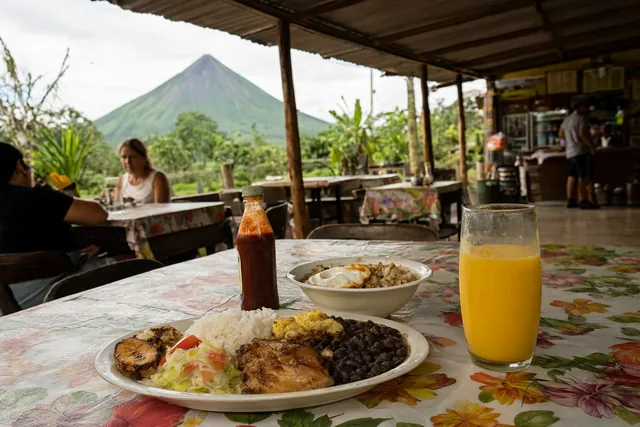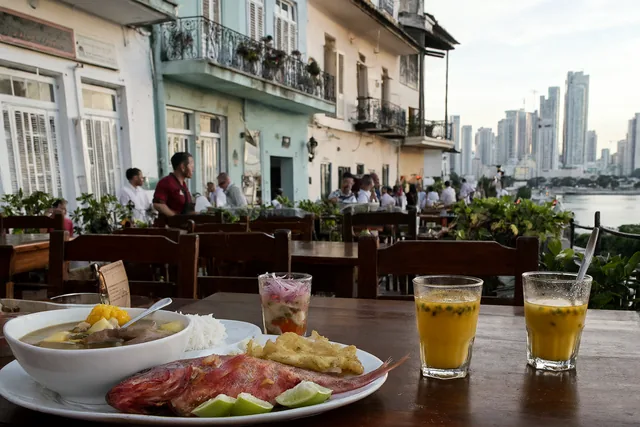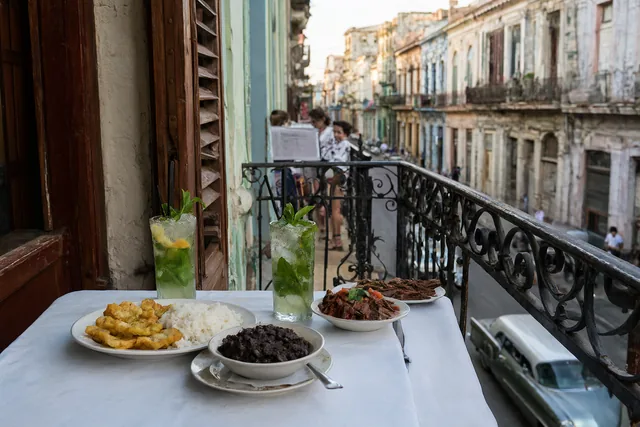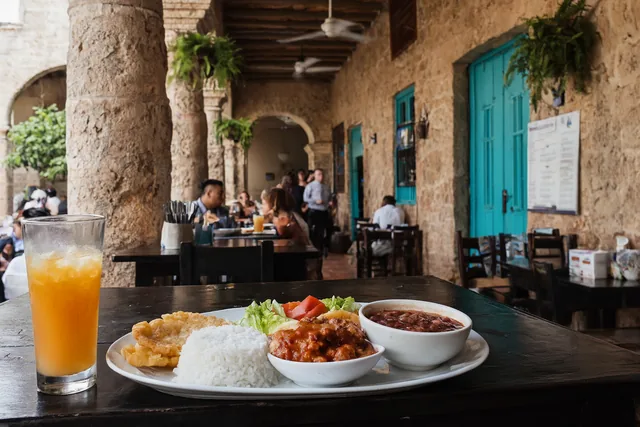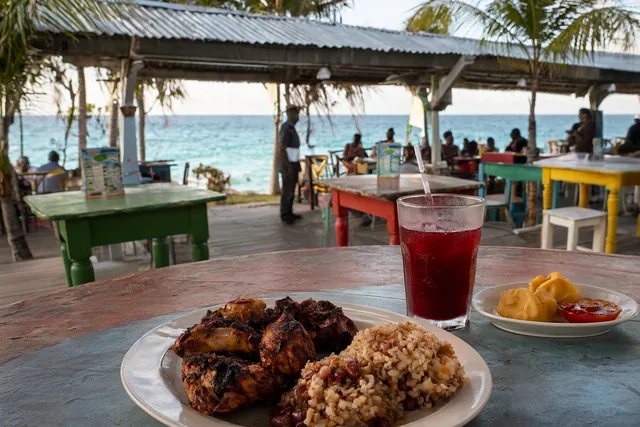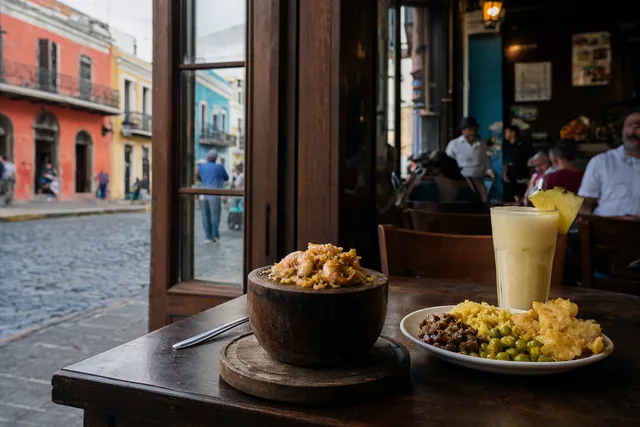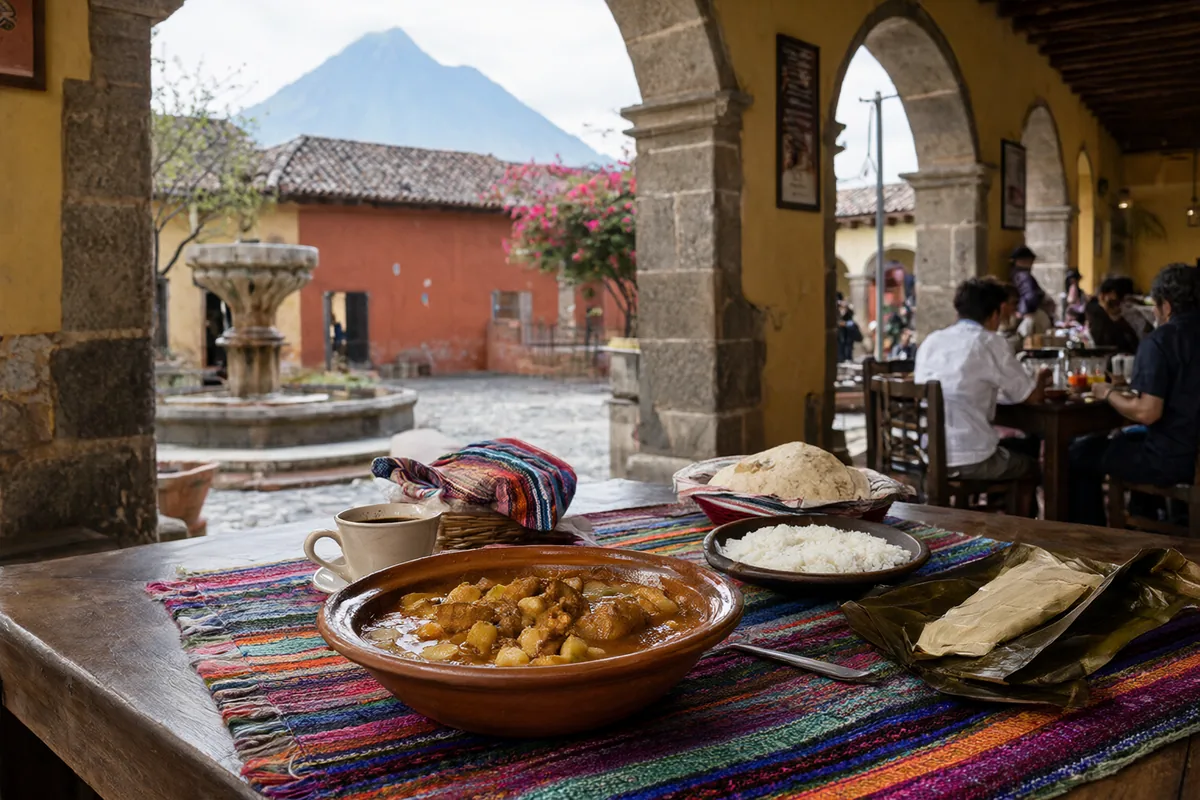
Guatemalan food is the cooking of the Maya highlands, mixed with Spanish colonial traditions and, on the Caribbean coast, the coconut-rich food of the Garífuna people. It is hearty, built on corn, beans and slow-cooked sauces of toasted seeds and chillies, and rarely very spicy. This Guatemala food guide covers the dishes to order, how to read a Spanish menu, tipping and paying, then goes town by town through where to eat in Antigua, Guatemala City, Lake Atitlán, Chichicastenango, Quetzaltenango, Flores and Livingston. Add some of the best coffee in the world, grown on volcanic slopes all over the country, and you will eat well on even a modest budget.
What to eat in Guatemala: 12 dishes to know
These are the dishes that define Guatemalan food, with the region they belong to. Many are cooked at home and in small comedores rather than in smart restaurants, and they are worth seeking out.
- Pepián (Antigua and the highlands): often called the national dish, a thick stew of chicken or beef in a sauce of roasted tomatoes, chillies, and toasted pumpkin and sesame seeds, served with rice and tortillas.
- Kak'ik (Cobán and Alta Verapaz): a Maya Q'eqchi' turkey soup, deep red from tomatoes and dried chillies, with coriander and mint.
- Jocón (across the country): chicken in a green sauce of tomatillo, coriander and spring onion, thickened with ground seeds or tortilla.
- Hilachas (across the country): shredded beef in a tomato and tomatillo sauce with potatoes and carrots. The name means "rags".
- Chiles rellenos (everywhere): sweet peppers stuffed with minced meat and vegetables, battered and fried, often served in a bread roll.
- Tamales and chuchitos (everywhere): Guatemalan tamales are soft and wrapped in banana leaves, with red (colorados) or sweet black (negros) sauce. Chuchitos are smaller and firmer, wrapped in corn husks.
- Desayuno chapín (everywhere): the classic Guatemalan breakfast of eggs, black beans, fried plantains, fresh cheese, cream and tortillas.
- Rellenitos de plátano (everywhere): mashed ripe plantain filled with sweetened black beans and chocolate, fried and dusted with sugar.
- Shucos (Guatemala City): grilled hot dogs loaded with guacamole, cabbage, mustard and mayonnaise, a street food of the capital.
- Fiambre (around 1 November): an enormous cold salad of cured meats, sausages, cheeses, vegetables and pickles, made for the Day of the Dead.
- Tapado (Livingston and the Caribbean coast): a Garífuna seafood soup made with coconut milk, plantain, fish, shrimp and crab.
- Coffee and atol (everywhere): Guatemalan coffee from Antigua, Huehuetenango and Lake Atitlán is famous, and atol de elote, a warm sweet corn drink, is sold in the evenings.
How to read a Spanish menu in Guatemala
Restaurants in Antigua and Panajachel often have English menus, but most comedores and market stalls write their menus in Spanish, often on a board by the door. Here are the words you will see most often.
| Spanish | Meaning |
|---|---|
| Desayunos | Breakfasts, often served until late morning |
| Almuerzo / menú del día | Lunch / the set lunch of soup, main, drink and sometimes dessert |
| Refacción | A mid-morning or afternoon snack, a very Guatemalan word |
| Platos típicos | Traditional Guatemalan dishes |
| Caldo / sopa | Broth / soup, often a full meal with meat and vegetables |
| Res / pollo / cerdo / pavo | Beef / chicken / pork / turkey |
| Churrasco | Grilled steak platter with beans, guacamole and tortillas |
| Frijoles volteados / parados | Refried black beans / whole stewed beans |
| Plátanos fritos | Fried ripe plantains, sweet and soft |
| Crema / queso fresco | Sour cream / fresh white cheese |
| Licuado | A fruit smoothie made with water or milk (con leche) |
| Chirmol | A fresh tomato salsa, sometimes with roasted tomatoes |
| Propina incluida | Tip included |
Many Guatemalan restaurants add a 10 percent propina to the bill, while others print a "suggested" tip at the bottom. swap.menu flags tip and service lines when it reads the menu or bill and converts every quetzal price to your home currency, so you do not tip twice by mistake.
Tipping, tax and paying the bill
Guatemala's sales tax, IVA, is included in menu prices. Tipping (propina) of about 10 percent is normal at sit-down restaurants, and many places in Antigua, Guatemala City and Lake Atitlán add it to the bill automatically or print a suggested amount. If it is already there, you do not need to add more, though leaving small change for good service is appreciated. Comedores, market stalls and street food do not expect a tip. Our guide to tax and service charges on menus explains how these lines work around the world.
The currency is the quetzal (Q, GTQ), named after the national bird. Cards are accepted in mid-range restaurants and hotels in Antigua and Guatemala City, sometimes with a small surcharge, but markets, comedores, street stalls, buses and boats on Lake Atitlán need cash. Carry small notes, as change for a Q100 or Q200 note can be hard to find. US dollars are accepted in some tourist businesses at poor rates, so pay in quetzales where you can, and if a card machine offers to charge you in your home currency, decline: our guide to paying in local currency explains why.
Lunch is the main meal in Guatemala, eaten from about 12:30pm to 2pm, and many comedores serve their set lunch only at midday. Dinner is lighter, from about 7pm to 9pm. Breakfast starts early, and towns in the highlands go quiet early in the evening, so do not expect late kitchens outside Antigua and the capital.
Where to eat in Guatemala, town by town
Guatemala is small, but its food changes from the colonial towns of the highlands to the Maya villages around Lake Atitlán and the Caribbean coast. Jump to a town:
Where to eat in Antigua
Antigua is a UNESCO-listed colonial town of cobbled streets and ruined churches, ringed by volcanoes, and it is where most visitors first meet Guatemalan food. Order pepián, jocón and chiles rellenos in one of the many restaurants set in old courtyards, and start the day with a desayuno chapín and a cup of local coffee. Antigua also has a large international restaurant scene catering to visitors and Spanish students, so there is everything from bakeries to wood-fired pizza.
For cheaper, more local food in Antigua, head to the municipal market next to the bus terminal, where comedores serve set lunches and fresh fruit licuados. In the evenings and on weekends, stalls around the La Merced church and in the nearby village of San Felipe de Jesús sell rellenitos, tostadas, tamales and atol. The coffee farms on the slopes around Antigua run tours that end with a tasting, and the town has several small chocolate makers working with Guatemalan cacao. Antigua's restaurants are among the most expensive in the country, so the market is good value for lunch.
Where to eat in Guatemala City
Guatemala City is where Guatemalans eat out, and it is more varied than its reputation. The historic centre in Zona 1 has the Mercado Central, an underground market behind the cathedral with comedores serving caldos, churrasco and the dishes of the day, and the pedestrian Sexta Avenida lined with snack stands and old cafés. Shucos, the loaded Guatemalan hot dogs, are the street food to try, sold from carts and stands all over the city.
Zona 4, around the pedestrian area of Cuatro Grados Norte, has cafés, craft beer bars and newer restaurants in converted warehouses, and Zona 10, also called the Zona Viva, is the upmarket area of steakhouses, international restaurants and nightlife. Guatemala City is also the best place to try regional dishes such as kak'ik without travelling to Cobán. Use registered taxis or ride-hailing apps rather than walking between zones in Guatemala City at night.
Where to eat at Lake Atitlán
Lake Atitlán is ringed by volcanoes and Maya villages, each with its own feel and food. Panajachel, the main town, has the most restaurants, along Calle Santander, from comedores to international cafés. San Pedro La Laguna and San Marcos La Laguna are popular with backpackers and yoga travellers, with plenty of vegetarian and vegan cafés, while San Juan La Laguna has coffee co-operatives offering tours and tastings.
The local speciality at Lake Atitlán is fish from the lake, usually fried whole and served with rice, salad and tortillas. In Santiago Atitlán, the Tz'utujil Maya town on the southern shore, look for patín, small lake fish cooked in a tomato and chilli sauce wrapped in a leaf. The village markets, held on different days around the lake, are the best places for fresh fruit, tamales and atol. Boats between the villages stop running in the late afternoon, so plan dinner near where you are staying.
Where to eat in Chichicastenango
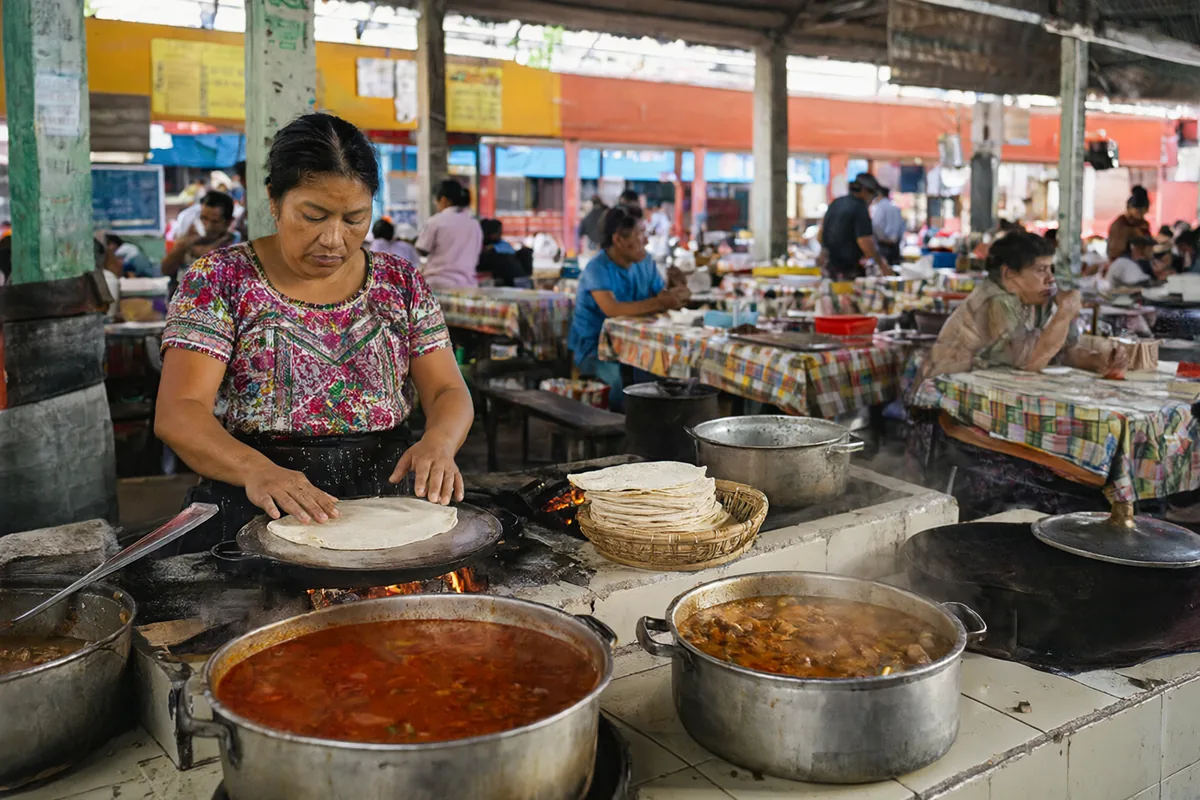
Chichicastenango is famous for its market, held on Thursdays and Sundays, when K'iche' Maya traders from across the highlands fill the town with textiles, produce and food. The place to eat in Chichicastenango is the covered food hall at the heart of the market, where rows of comedores cook pepián, caldo de res (beef and vegetable soup), grilled meats and stews in big clay pots, and women pat fresh corn tortillas onto a hot comal all day.
Sit at a shared table, point at the pot that looks best, and you will be served a full plate with rice, tortillas and a drink for very little. Outside, the steps of the Santo Tomás church are wreathed in incense from Maya ceremonies, and stalls sell fried snacks, fresh fruit and atol. Most visitors come on a day trip from Antigua or Lake Atitlán, so the market is busiest late morning; arrive early to eat breakfast in Chichicastenango with the traders.
Where to eat in Quetzaltenango
Quetzaltenango, better known as Xela (pronounced "shay-la"), is Guatemala's second city, high and cool in the western highlands. It has fewer tourists than Antigua and a large population of Spanish students, so food in Quetzaltenango is cheap and local. Look for chuchitos, pepián, caldo de gallina (hen soup) and the city's bakeries, which make sweet breads to dip in coffee or hot chocolate on cold evenings.
The area around the Parque Central has cafés in old stone buildings, and the Mercado La Democracia is the big market for comedores and produce. The highland villages around Xela grow much of Guatemala's vegetables: the market town of Zunil, on the way to the Fuentes Georginas hot springs, is surrounded by fields of carrots, onions and cabbages. Evenings in Xela are cold, so a bowl of soup or a cup of atol from a street stall is welcome.
Where to eat in Flores
Flores is a small, colourful island town on Lake Petén Itzá in the northern lowlands, and the base for visiting the Maya ruins of Tikal. The food in Flores leans towards the lake and the tropical lowlands: pescado blanco, a white fish from the lake, fried or grilled with garlic, along with tamalitos de chipilín, small tamales flavoured with a leafy local herb, and tropical fruit juices.
Restaurants on the island's waterfront are pleasant for a sunset dinner, though prices are aimed at visitors. Cross the causeway to Santa Elena for the market and simple comedores where locals eat. If you are going to Tikal for sunrise, bring breakfast and plenty of water, as food inside the park is limited and expensive. The lowlands are hot and humid, so eat light at lunch and save the bigger meal for the evening in Flores.
Where to eat in Livingston
Livingston, on the Caribbean coast at the mouth of the Río Dulce, can only be reached by boat, and it feels like a different country. This is the centre of Guatemala's Garífuna culture, descended from West African and Caribbean Indigenous peoples, and the food is built on coconut, seafood, plantain and cassava. The dish to order in Livingston is tapado, a rich coconut soup of fish, shrimp, crab and green plantain.
Also look for hudutu, mashed plantain served with fish in coconut broth, pan de coco (coconut bread), ereba (flat cassava bread) and guifiti, a rum infused with herbs and roots, said to be good for health. Small restaurants along the main street and by the water serve tapado and fried fish, and many have Garífuna drumming in the evenings. The boat trip up the Río Dulce gorge to or from Livingston is one of the most beautiful journeys in Guatemala.
Vegetarian, vegan and allergy tips
Vegetarians eat well in Guatemala's tourist towns: Antigua and the villages of Lake Atitlán have many vegetarian and vegan cafés. In comedores, beans, eggs, plantains, rice, cheese, avocado and tortillas make an easy meal, and chiles rellenos are sometimes made with vegetables. Watch for hidden meat, though: refried beans may be cooked with lard (manteca), rice and soups often use chicken stock, and many traditional stews are built on meat. The words to use are vegetariano and vegano, and it helps to ask "¿Tiene carne o caldo de pollo?" (Does it have meat or chicken stock?).
Pumpkin and sesame seeds are the base of pepián and many other sauces, and peanuts appear in some sweets. Corn tortillas are gluten-free, but bread, sweet buns and fried snacks are not. Our guide to eating abroad with food allergies explains how to describe an allergy clearly when you do not speak the language.
Useful Spanish phrases for ordering in Guatemala
Buenos días / Buenas tardes "Good morning / Good afternoon", always said as you arrive
¿Me regala un café, por favor? "Could I have a coffee, please?" The Central American way to order: it does not mean "give it to me for free"
¿Qué me recomienda? "What do you recommend?"
¿Cuál es el almuerzo de hoy? "What is today's set lunch?"
Soy vegetariano / vegetariana "I am vegetarian" (vegetariano for a man, vegetariana for a woman)
Soy alérgico / alérgica a... "I am allergic to..."
La cuenta, por favor "The bill, please"
Muy rico, muchas gracias "Very tasty, thank you very much"
How swap.menu helps you eat in Guatemala
Outside Antigua's tourist restaurants, Guatemalan menus are in Spanish, and comedores often write the day's dishes on a whiteboard. Photograph the menu with swap.menu and every dish appears in your language with the Spanish name beside it and a short explanation, so you know that hilachas is shredded beef stew, that kak'ik is a turkey soup and that a refacción is a snack, not a full meal. Every price is converted from quetzales to your home currency, and we flag any propina line so you know whether the tip is already included.
Tap the dishes you want, add a note such as "no meat" or "no lard, please", typed or spoken, and swap.menu translates your order into Spanish. Show the cook your phone, or let them scan the QR code and read your order on their own screen. You can try it right now on a sample menu with the free demo, or see travel pass prices.
Off to Guatemala? Your first 3 menu scans are free, and a travel pass starts from $4.99 with nothing that renews.
Start free with 3 scansGuatemala food FAQ
Do you tip in restaurants in Guatemala?
Yes, around 10 percent at sit-down restaurants. Many restaurants in Antigua and other tourist areas add the propina to the bill automatically, so check before adding more. Comedores and street stalls do not expect a tip.
What is the national dish of Guatemala?
Pepián, a thick stew of chicken or beef in a sauce of roasted tomatoes, chillies and toasted seeds, is usually called the national dish. Kak'ik, a spiced turkey soup from Cobán, and jocón are also seen as national classics.
Is Guatemalan food spicy?
Not usually. Guatemalan dishes use dried chillies for flavour and colour rather than heat, and spicy salsa is served on the side so you can add as much as you like.
Is tap water safe to drink in Guatemala?
No. Drink bottled or purified water in Guatemala. Most hotels and hostels have large purified water jugs for refilling bottles, and restaurants in tourist areas use purified water for ice and drinks.
Is it expensive to eat out in Guatemala?
No. A set lunch at a comedor or market stall costs very little, and street food is cheap. Restaurants in Antigua and the smart zones of Guatemala City cost much more, closer to prices in Europe or Australia.
How can I read a Guatemalan menu if I do not speak Spanish?
Learn a few key words such as almuerzo (lunch), caldo (soup) and the names of the main meats, or photograph the menu with swap.menu. It translates every dish into your language, explains it, converts prices from quetzales to your currency and translates your order into Spanish.
Travelling further in Central America? Read our food guides for nearby countries:
Or browse every travel food guide.