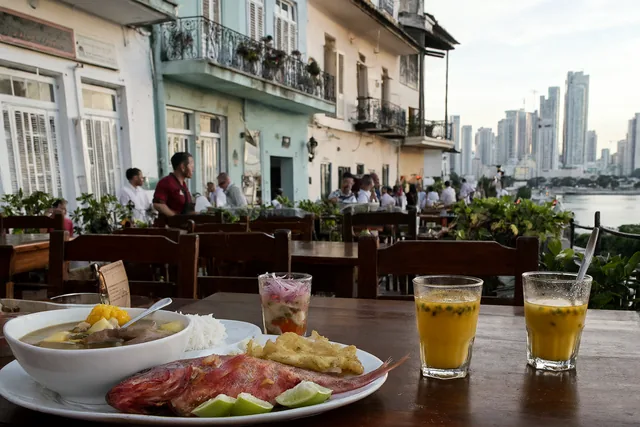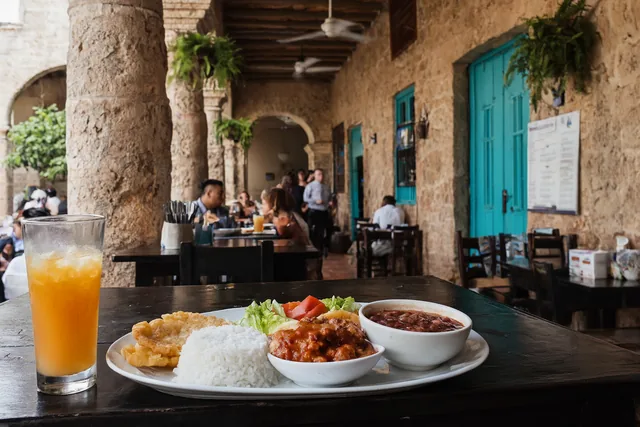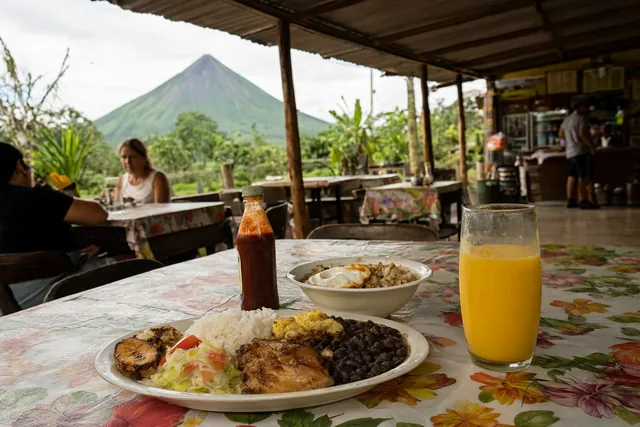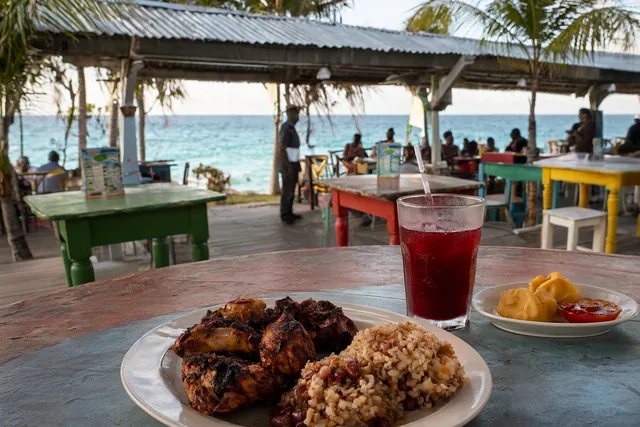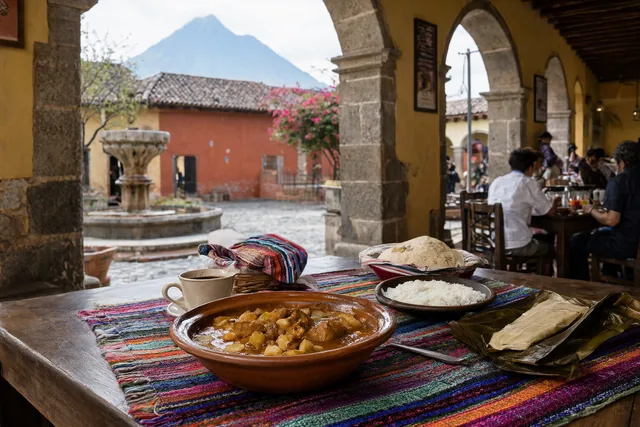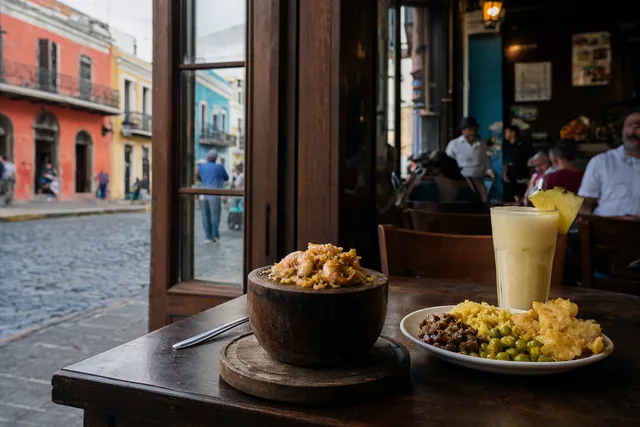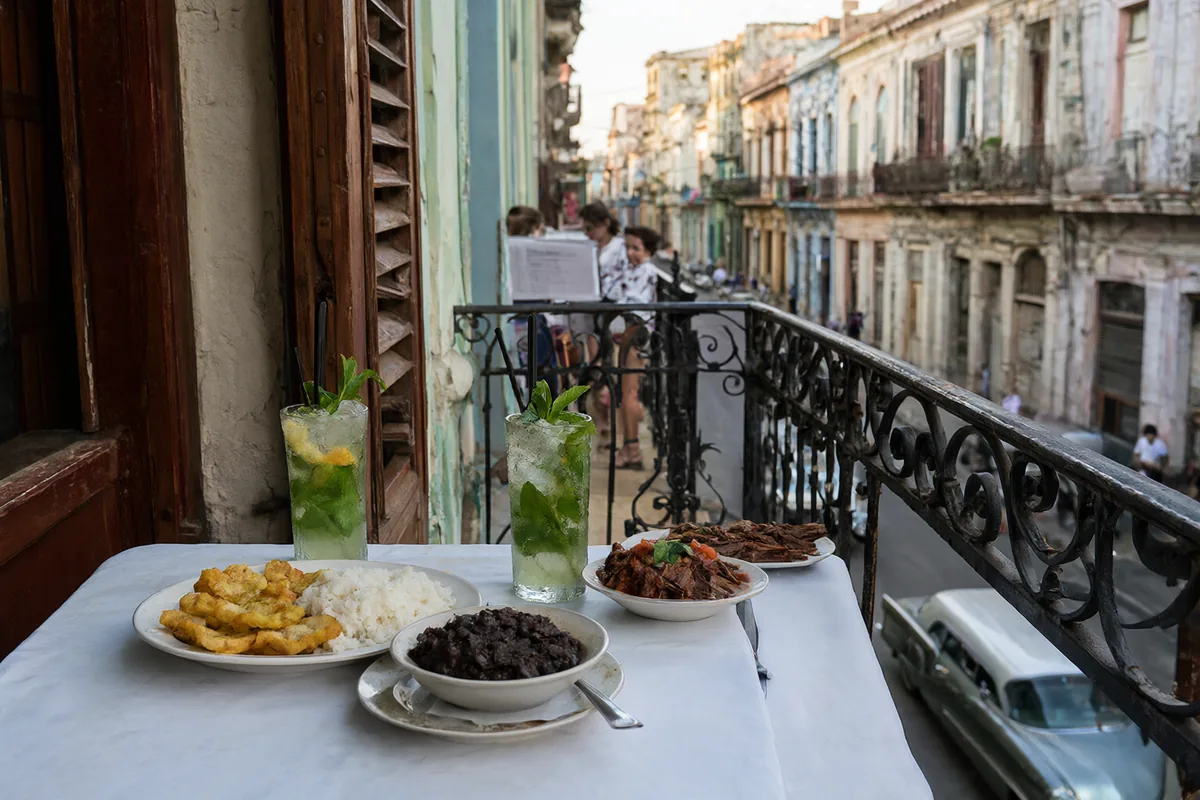
Cuban food is Spanish and West African cooking shaped by the Caribbean: slow-cooked meats, black beans and rice, plantains, root vegetables, garlic, cumin and citrus. It is homely rather than spicy, and the best meals are often in private homes and small family restaurants called paladares. This Cuba food guide covers the dishes to order, how to read a Cuban menu, how tipping and paying work in a country where cash rules, then goes town by town through where to eat in Havana, Viñales, Trinidad, Cienfuegos, Santiago de Cuba, Baracoa and Varadero. Shortages and power cuts are part of daily life in Cuba, so flexibility helps, but a good meal with a mojito and live music is never far away.
What to eat in Cuba: 12 dishes to know
These are the dishes you will see most often, with the region they come from where it matters. Availability depends on what the kitchen could buy that day.
- Ropa vieja (everywhere): shredded beef stewed with tomato, peppers, onion and garlic. The name means "old clothes".
- Lechón asado (everywhere): roast pork marinated in mojo, a sauce of sour orange, garlic and oregano, the centrepiece of celebrations.
- Picadillo a la habanera (Havana): minced beef cooked with tomato, olives and raisins, served with rice.
- Moros y cristianos and congrí (everywhere): rice cooked with black beans (moros) or, in the east, with red beans (congrí).
- Tostones (everywhere): green plantains fried, flattened and fried again. Sweet fried ripe plantains are plátanos maduros.
- Yuca con mojo (everywhere): boiled cassava drenched in garlic and citrus sauce.
- Ajiaco (everywhere): a thick stew of meat with corn, plantain, cassava, taro and other root vegetables.
- Langosta and camarones enchilados (the coasts): lobster or prawns in a mild tomato and pepper sauce. In Cuba, enchilado is not spicy.
- Pan con lechón (everywhere): a roast pork sandwich, sold from street windows and stands.
- Cucurucho (Baracoa): a sweet of grated coconut, honey, sugar and fruit wrapped in a cone of palm leaf.
- Flan and arroz con leche (everywhere): caramel custard and rice pudding, the classic desserts.
- Café cubano, mojitos and daiquiris (everywhere): strong, sweet coffee served in tiny cups, and rum cocktails, with the honey and lime canchánchara from Trinidad.
How to read a Cuban menu
Paladares in Havana and Trinidad often have English menus, but state restaurants, cafeterias and street stands write theirs in Spanish. A long menu does not mean everything is available, so ask what there is today. These are the words you will see most often.
| Spanish | Meaning |
|---|---|
| Paladar | A privately run restaurant, usually better than state restaurants |
| Entrantes / platos fuertes | Starters / main courses |
| Guarniciones | Side dishes: rice, beans, tostones, salad |
| Cerdo or puerco / res / pollo | Pork / beef / chicken |
| Langosta / camarones / pescado | Lobster / prawns / fish |
| Enchilado | In a tomato and pepper sauce, not spicy |
| Al ajillo / a la plancha | In garlic / griddled |
| Potaje | A thick bean soup, usually black beans |
| Arroz blanco / moros / congrí | White rice / rice with black beans / rice with red beans |
| Mariquitas | Thin plantain chips |
| Ensalada de estación | Seasonal salad, often cabbage, tomato and cucumber |
| No hay | "There isn't any": the dish is not available |
| CUP / MN / USD / EUR | Cuban pesos / pesos (moneda nacional) / US dollars / euros |
Cuban menus may list prices in pesos, US dollars or euros, sometimes all three, and the difference matters. Always check which currency a price is in before you order. swap.menu reads the menu, shows which currency each price uses and converts it to your home currency, so a figure in pesos does not get mistaken for one in dollars.
Tipping, cash and paying the bill
Tipping is customary in Cuba and makes a real difference to people's income. Leave around 10 percent at paladares and restaurants. Some paladares add a 10 percent service charge (servicio) to the bill, in which case you do not need to add more, though rounding up is appreciated. Musicians who play at your table will expect a small tip, as will toilet attendants, and resort staff in Varadero appreciate cash tips even when everything is included. Our guide to tax and service charges on menus explains how service lines work around the world.
Paying is the hardest part of eating in Cuba. The only currency is the Cuban peso (CUP, also written MN), but many private businesses also quote prices in US dollars or euros and are happy to be paid in them. Cards issued by US banks do not work in Cuba at all, and other foreign cards are accepted only at some hotels, state shops and larger restaurants, often when the card machine is working. Bring enough cash in euros or US dollars, in clean, undamaged notes, for your whole trip. The official exchange rate and the rate offered by private businesses can differ a great deal, so ask what rate a restaurant uses before paying in another currency. Our guide to paying in local currency explains the general principles of avoiding poor conversions.
Cubans eat lunch from about noon to 2pm and dinner from 7pm to 10pm. Power cuts (apagones) are common, especially outside Havana, and can change what a kitchen can cook, so do not be surprised if a dish is off the menu or the lights go out mid-meal.
Where to eat in Cuba, town by town
Cuba is long and narrow, and the food changes from Havana to the tobacco valleys of the west and the Caribbean east. Jump to a town:
Where to eat in Havana
Havana has the best and most varied food in Cuba, thanks to a large number of paladares, many set in grand old apartments, rooftops and colonial mansions. Old Havana (Habana Vieja) is where most visitors eat, around Plaza Vieja, Plaza de la Catedral and the streets between them. Calle Obispo is the busiest street, lined with bars and live bands, but the food is better a few streets away. Order ropa vieja, lechón asado, picadillo and lobster, with rice and beans, tostones and a mojito or daiquiri.
Vedado, the leafy mid-century district west of the centre, has many of Havana's best paladares in old houses, and the area around Calle 23 is good for bars and late-night food. Miramar further west has more upmarket private restaurants, and Centro Habana, between Old Havana and Vedado, has some of the city's best-known rooftop paladares. For cheap food, look for peso stands selling pan con lechón, Cuban street pizza and guarapo, fresh sugarcane juice. At sunset, join the people of Havana along the Malecón seafront.
Where to eat in Viñales
Viñales is a small town in a valley of tobacco fields and limestone hills in western Cuba, and the food here is some of the freshest in the country. Most visitors stay in casas particulares (private homestays), and the dinner your host cooks is often the best meal of the trip: roast pork, chicken or fish, rice and beans, root vegetables, salad from the garden, tropical fruit and a generous jug of juice. Ask the night before, and tell your host what you do not eat.
Several organic farms on the hills around Viñales serve farm-to-table lunches and sunset dinners with views over the valley, made from what they grow. On the main street of Viñales there are paladares and bars with live music in the evening. Try guayabita del Pinar, a liqueur flavoured with a small wild guava from the province of Pinar del Río, and visit a tobacco farm to see how cigars are made.
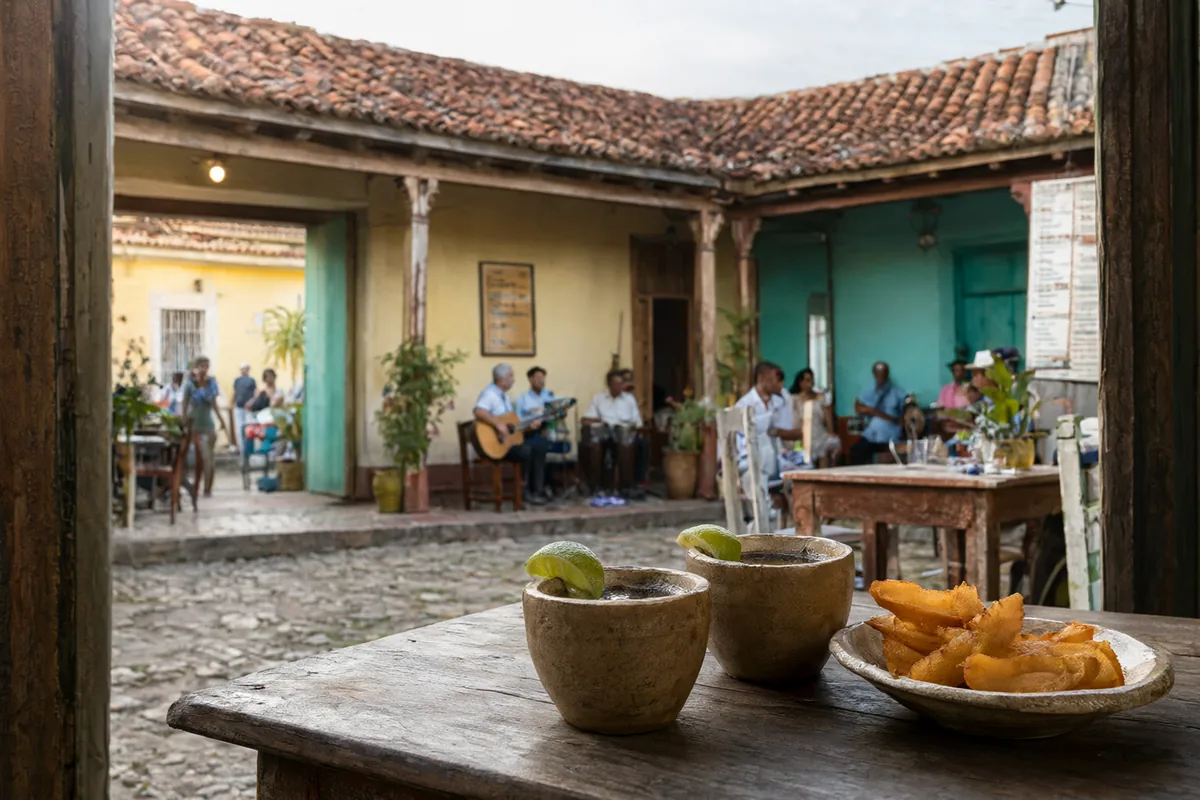
Where to eat in Trinidad
Trinidad is a perfectly preserved colonial town of cobbled streets and pastel houses on the south coast, and one of the most popular stops in Cuba. Many of Trinidad's paladares are set in the courtyards of old merchants' houses, serving lobster, roast pork, ropa vieja and fish. The local drink is the canchánchara, made from aguardiente (a raw sugarcane spirit), honey, lime and water, served in a small clay cup.
In the evenings, the steps beside the church on the Plaza Mayor fill with people listening to live salsa and son. The nearby Playa Ancón has simple places serving fresh fish and lobster by the beach, and the Valle de los Ingenios, the old sugar plantation valley outside Trinidad, is a reminder of where Cuba's rum comes from. Walk a few streets away from the Plaza Mayor for lower prices and quieter dining rooms.
Where to eat in Cienfuegos
Cienfuegos, on a wide bay on the south coast, was founded by French settlers in 1819 and has a calm, elegant feel quite different from the rest of Cuba. Its centre around the Parque José Martí is UNESCO-listed, and the long boulevard of the Paseo del Prado runs down towards the bay. Seafood is the thing to eat in Cienfuegos: grilled fish, prawns in garlic, and lobster from the nearby coast.
At the end of the peninsula, Punta Gorda has old mansions and restaurants by the water, a good place for a sunset drink. Paladares in the centre and in Punta Gorda serve Cuban classics at lower prices than Havana or Trinidad. Cienfuegos is often visited as a stop between Havana and Trinidad, and a lunch here breaks up the journey nicely.
Where to eat in Santiago de Cuba
Santiago de Cuba, in the far east, is Cuba's second city and its most Caribbean, with strong Afro-Cuban traditions and the birthplace of son, the music behind salsa. The food reflects the east: congrí, rice with red beans, is the standard side rather than the black beans of the west, and roast pork, plantains and yuca con mojo are everywhere. Santiago de Cuba also has a long rum-making history, and its rums are smooth and well worth trying.
The streets around Parque Céspedes, the main square, have paladares and bars with live music, and Calle Heredia is famous for its music houses. In July, the Santiago Carnival fills the streets with music and food stalls. The city is hot and hilly, so eat lunch in the shade and save walking for the evening.
Where to eat in Baracoa
Baracoa, the oldest town in Cuba, sits on the far eastern tip of the island, cut off from the rest of the country by mountains until a road was built in the 1960s. It has the most distinctive food in Cuba, built on coconut and cacao. Look for dishes cooked in lechita, a sauce of coconut milk, garlic and spices, often with fish or prawns, and bacán, a tamale of green plantain and coconut filled with pork or crab, wrapped in banana leaves.
In season, the rivers around Baracoa bring tetí, tiny fish caught at the river mouths and cooked in many ways. The town is famous for cucurucho, the coconut and honey sweet sold in palm-leaf cones by roadside sellers, and for its chocolate, made from local cacao. Paladares and casas particulares in Baracoa serve these dishes, and it is worth eating at your homestay at least once.
Where to eat in Varadero
Varadero is Cuba's biggest beach resort, a long sandy peninsula lined with all-inclusive hotels. Most visitors eat at their resort, where food is international and can be repetitive. To eat Cuban food in Varadero, head to the town itself at the western end of the peninsula, where paladares serve seafood, lobster, roast pork and Cuban classics at better prices than the hotel restaurants.
Fish, lobster and prawns are the best things to order in Varadero, grilled or enchilado. Bring small cash notes for tipping staff at your resort and in restaurants, and for taxis into town. Day trips to the nearby city of Matanzas give a glimpse of everyday Cuban life and food away from the resort strip.
Vegetarian, vegan and allergy tips
Cuban food is built on meat, especially pork, but vegetarians can usually put together a meal of rice, beans, tostones, root vegetables and salad. The problem is hidden meat: black beans and congrí are often cooked with pork or bacon, rice may be fried in lard (manteca), and soups are almost always made with meat. Ask for sin carne (without meat) and check whether the beans are cooked with pork. The word for vegetarian is vegetariano. Paladares in Havana and Trinidad are used to these requests, and some have vegetarian dishes on the menu.
Shortages mean some ingredients come and go, and kitchens sometimes substitute without saying, so be clear and repeat your allergy. Shellfish is common in coastal dishes, and coconut is used heavily in Baracoa. Bring any medicine you need from home, as pharmacies are often short of supplies. Our guide to eating abroad with food allergies explains how to describe an allergy clearly when you do not speak the language.
Useful Spanish phrases for ordering in Cuba
Buenas "Hello", the short greeting Cubans use at any time of day
¿Qué hay hoy? "What is there today?", the most useful question in a Cuban restaurant
¿Qué me recomienda? "What do you recommend?"
Un cafecito / un cortadito, por favor "A small Cuban coffee / a coffee with a little milk, please"
Sin carne, por favor "Without meat, please"
Soy alérgico / alérgica a... "I am allergic to..." (alérgico for a man, alérgica for a woman)
¿En qué moneda es el precio? "What currency is the price in?"
La cuenta, por favor "The bill, please"
How swap.menu helps you eat in Cuba
Cuban menus can be confusing even for Spanish speakers: prices in three currencies, words like congrí, mariquitas and potaje, and enchilado dishes that are not spicy at all. Photograph the menu with swap.menu and every dish appears in your language with the Spanish name beside it and a short explanation, and every price is converted from pesos, dollars or euros to your home currency, so you can see the real cost before you order. We flag any service charge, so you know whether to add a tip. Internet access in Cuba can be slow and patchy, so scan menus when you have a good connection; every menu you scan is saved, so you can look back at it later.
Tap the dishes you want, add a note such as "no pork" or "no shellfish, please", typed or spoken, and swap.menu translates your order into Spanish. Show the waiter your phone, or let them scan the QR code and read your order on their own screen. You can try it right now on a sample menu with the free demo, or see travel pass prices.
Off to Cuba? Your first 3 menu scans are free, and a travel pass starts from $4.99 with nothing that renews.
Start free with 3 scansCuba food FAQ
Do you tip in restaurants in Cuba?
Yes. Leave around 10 percent at paladares and restaurants unless a service charge is already on the bill. Tips make a big difference to Cuban incomes, and musicians, guides and resort staff also appreciate them.
Can I use a credit card in Cuba?
Only in some places, and never with a card issued by a US bank. Most paladares and private businesses want cash, so bring enough euros or US dollars in clean notes for your whole trip.
What food is Cuba famous for?
Ropa vieja, roast pork, black beans and rice, tostones, yuca with mojo, Cuban coffee and rum cocktails such as the mojito and daiquiri are the best known. Baracoa in the east has its own coconut and cacao cooking.
What is a paladar in Cuba?
A paladar is a privately owned restaurant, often in a family home or a converted building. Paladares usually have better food and service than state restaurants and are where most visitors eat.
Is tap water safe to drink in Cuba?
No. Drink bottled or boiled water in Cuba, and be careful with ice in small places. Bottled water can be hard to find outside big towns, so carry a refillable bottle and a filter if you can.
How can I read a Cuban menu if I do not speak Spanish?
Learn a few key words such as cerdo (pork), langosta (lobster) and no hay (not available), and always check which currency a price is in. Or photograph the menu with swap.menu, which translates every dish, explains it, converts prices to your home currency and translates your order into Spanish.
Travelling further in the Caribbean? Read our food guides for nearby islands and countries:
- Dominican Republic food guide
- Puerto Rico food guide
- Jamaica food guide
- Bahamas food guide
- Mexico food guide
Or browse every travel food guide.