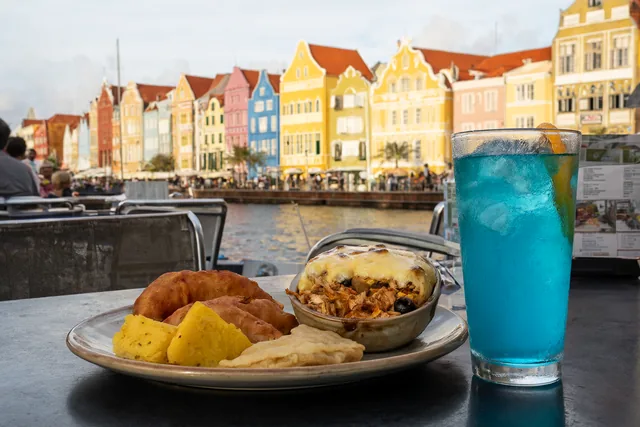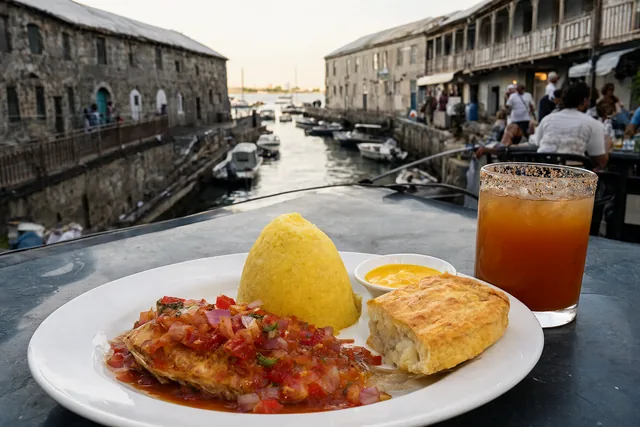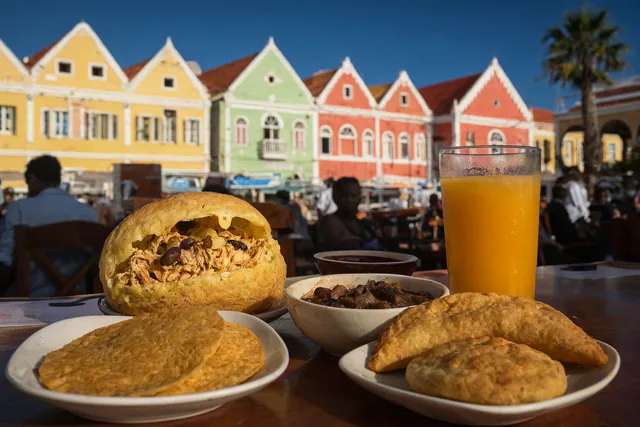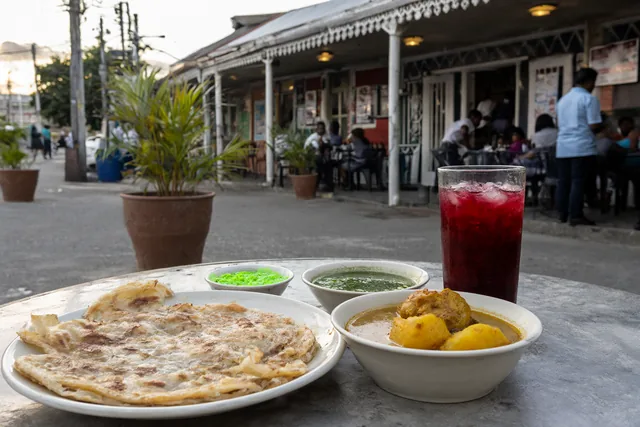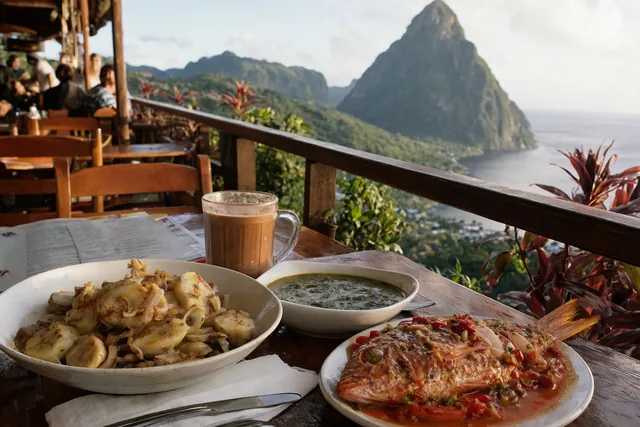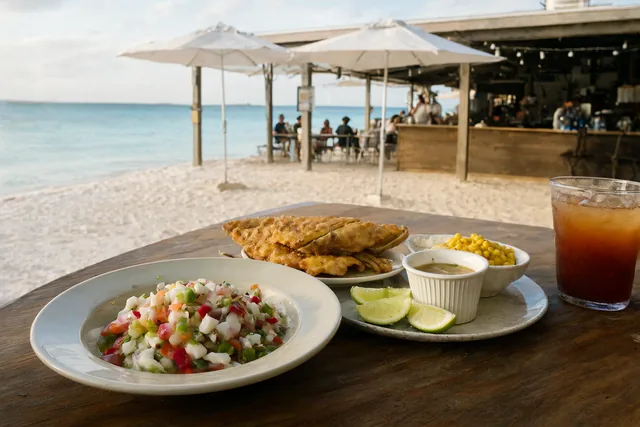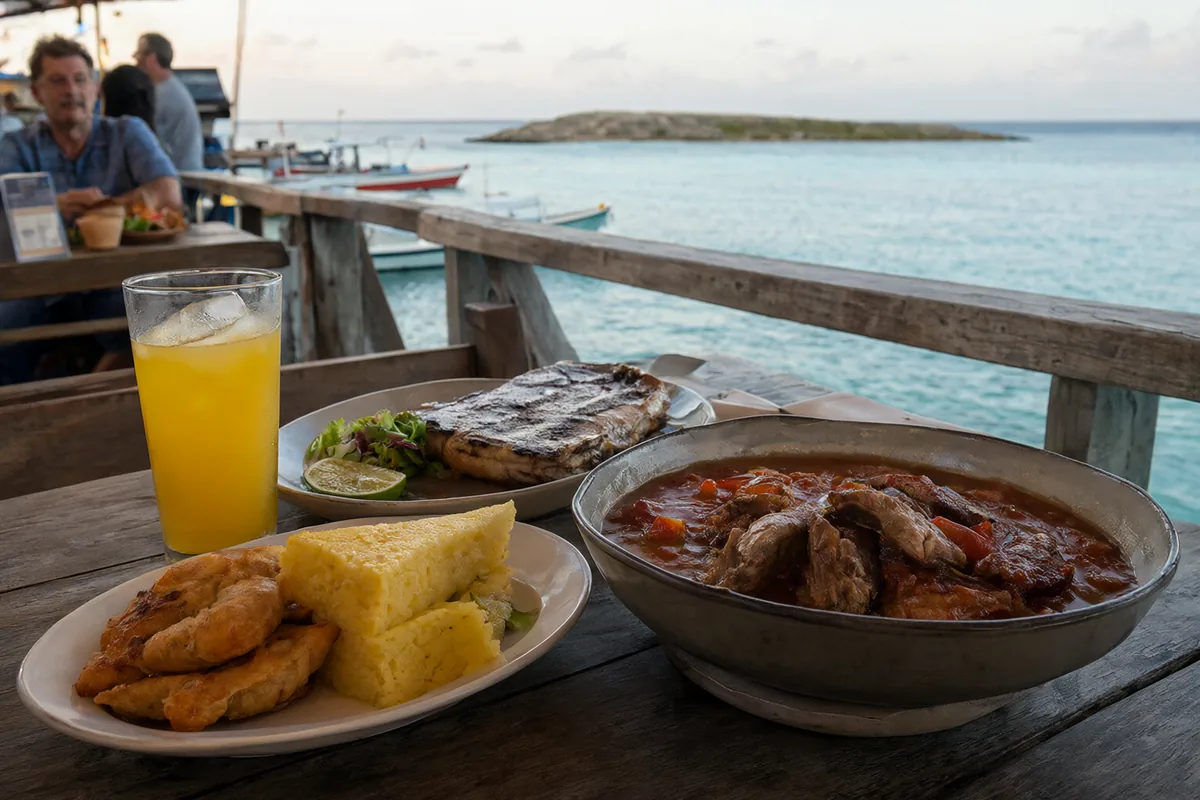
Bonaire is a quiet island, famous for shore diving, flamingos and salt pans rather than restaurants, but it eats well in a simple way: fresh wahoo and snapper, goat stew from the goats that roam everywhere, funchi, pastechi and a few dishes, like iguana soup, that you will rarely find elsewhere. This Bonaire food guide covers the local dishes to order, how to read a menu written in Papiamentu or Dutch, tipping and paying in US dollars, then goes area by area through where to eat in Kralendijk, Hato and the north coast, Rincon, Lac Bay and Sorobon, and Belnem and the south. Honest advice: the restaurant scene is small and concentrated in Kralendijk, so the best meals are often the plainest, eaten at a snack bar with sea views or a local kitchen in Rincon.
What to eat in Bonaire: 11 dishes to know
Bonaire's Creole cooking, kuminda krioyo, is close to that of Curaçao and Aruba: stews, soups, cornmeal and fried fish, with Dutch, Venezuelan and Indonesian additions. These are the dishes worth seeking out.
- Kabritu stobá: goat stewed slowly with onion, tomato, sweet pepper and spices until it falls off the bone. Goats roam freely across much of Bonaire, and goat stew is the island's signature dish.
- Funchi: cornmeal cooked into a firm polenta, served in slices beside stews and fish, or fried. It is the standard side at local restaurants.
- Piská hasá: fried fish, whole or in fillets, usually red snapper, wahoo or mahi-mahi, with funchi, fried plantain, rice or fries and a Creole sauce of tomato, onion and pepper.
- Grilled wahoo and lionfish: wahoo is the island's favourite fish, grilled as steaks. Lionfish, an invasive species that divers on Bonaire hunt to protect the reef, is often on menus, fried or as ceviche.
- Sòpi di yuana: iguana soup, a traditional dish still made on Bonaire and sold at some local kitchens. The meat is mild, a little like chicken. Iguana stew (yuana stobá) is also eaten.
- Karni stobá and galiña stobá: beef and chicken stews, served at lunchtime with funchi, rice or aros ku bonchi (rice and beans).
- Keshi yená: Edam or Gouda cheese filled with spiced chicken, olives, raisins and capers and baked until molten, shared with Curaçao and Aruba.
- Pastechi: crescent-shaped fried pastries with cheese, beef, chicken or tuna, the island's breakfast and snack food.
- Sòpi di piská and sòpi di bonchi: fish soup and bean soup, hearty lunches at local restaurants.
- Dutch and Indonesian snacks: kroketten, frikandel and bitterballen from snack bars, and saté, bami and nasi on local menus, reminders of the Dutch connection.
- Kadushi liqueur and sweets: a liqueur made from the kadushi cactus is produced in Rincon. Local sweets include kokada (coconut candy), ko'i lechi (milk fudge), panseiku (peanut brittle) and bolo pretu, a dark fruit and rum cake.
How to read a menu in Papiamentu and Dutch
Bonaire is a special municipality of the Netherlands, and its official languages are Papiamentu and Dutch. English and Spanish are widely spoken, and most restaurant menus in Kralendijk are in English or Dutch. Local snack bars and lunch counters often list dishes in Papiamentu, and labels in supermarkets are mostly in Dutch. Bonaire spells Papiamentu the same way as Curaçao.
| Papiamentu | Dutch | Meaning |
|---|---|---|
| Kuminda krioyo | Lokale keuken | Local Creole food |
| Desayuno | Ontbijt | Breakfast |
| Kabritu | Geit | Goat |
| Karni | Vlees | Meat (usually beef) |
| Galiña | Kip | Chicken |
| Piská | Vis | Fish |
| Yuana | Leguaan | Iguana |
| Sòpi | Soep | Soup |
| Stobá | Stoofpot | Stew |
| Hasá | Gebakken | Fried or baked |
| Funchi | Maïspap | Firm cornmeal polenta |
| Aros ku bonchi | Rijst met bonen | Rice with beans |
| Djus | Sap | Juice |
| Kuenta | Rekening | The bill |
A Bonaire lunch board might say "kabritu stobá ku funchi" or "sòpi di yuana" and nothing more. swap.menu translates each dish into your language with a short explanation, shows prices in US dollars converted to your home currency, and flags any service charge printed on the menu.
Tipping, tax and paying the bill
Some restaurants on Bonaire add a service charge, usually 10 to 15 percent, to the bill, and it should be printed on the menu. Where it has been added, an extra tip is optional. Where it has not, leave 10 to 15 percent at sit-down restaurants. Snack bars and food trucks do not expect a tip. Bonaire's general spending tax, called ABB, is usually included in menu prices. Our guide to tax and service charges on menus explains how these lines work around the world.
Unusually for a Dutch territory, Bonaire's currency is the US dollar, not the euro, so prices are in dollars everywhere. Cards are accepted in most restaurants, supermarkets and dive shops, though some snack bars and small places in Rincon prefer cash. Visitors from outside the US will be charged in dollars; if a card terminal offers to convert the amount into your home currency, decline and pay in dollars: our guide to paying in local currency explains why.
Eating out on Bonaire is moderately expensive, as most food is imported, but local lunch places and snack bars are reasonable. Many restaurants close one day a week, often Sunday or Monday, and some close for a few weeks in the quieter months, so check before you go. Lunch is from about noon to 2pm, and dinner is early, from about 6pm, as divers tend to eat and sleep early.
Where to eat in Bonaire, area by area
Bonaire is about 40 kilometres long and easiest to explore by hire car or pickup truck. Almost every restaurant is in or near Kralendijk, the only town, with a few more in Rincon and at Lac Bay. Jump to an area:
Where to eat in Kralendijk
Kralendijk, the capital, is a small harbour town of low, colourful buildings facing the island of Klein Bonaire across the water. The main restaurant area is the waterfront boulevard and the parallel shopping street, Kaya Grandi, where you will find seafood restaurants, cafés, grills, pizza, Dutch, Indonesian and Asian food, and several restaurants with tables on piers over the water. Kralendijk's waterfront is the place for a sunset dinner of grilled wahoo or lionfish, and when cruise ships are in port, the town is busier at lunchtime.
For local food in Kralendijk, look for small snack bars and lunch counters a few streets back from the water, serving pastechi, kabritu stobá, karni stobá, fried fish with funchi, and soups at lunchtime. Supermarkets and bakeries sell Dutch bread, cheese and snacks, which is useful if you are self-catering, as many divers do. Kralendijk is quiet in the evening compared with Aruba or Curaçao, and most restaurants close by about 10pm.
Where to eat in Hato and along the north coast
North of Kralendijk, the coast road runs past the Hato district and a string of dive resorts, apartments and the famous shore dive sites marked by yellow-painted stones. Most of the restaurants here belong to the dive resorts, and they serve breakfast, lunch and dinner to guests and passers-by, often on terraces facing the sea: fresh fish, burgers, salads, and buffet or barbecue nights on certain evenings.
Beyond the resorts, the road north becomes quiet and scenic, with no restaurants until Rincon. If you are diving along the north coast, pack a lunch and plenty of water, as there are few places to buy food. Many visitors staying in Hato self-cater, picking up supplies in Kralendijk's supermarkets and grilling fish at their apartment.
Where to eat in Rincon
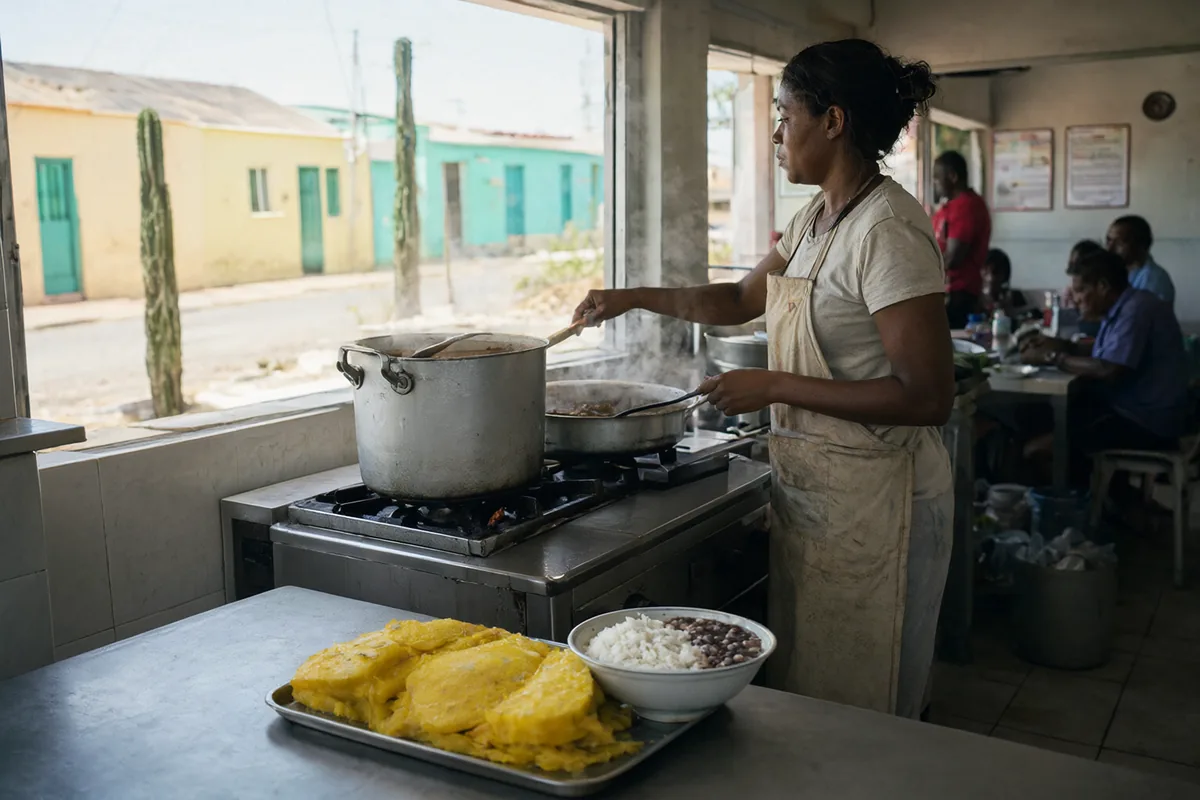
Rincon, in a valley in the north of the island, is Bonaire's oldest village and its cultural heart, with pastel houses, a church and a slower, more traditional feel than Kralendijk. It is the best place on Bonaire to eat local food: Rincon's small restaurants and snack bars serve kabritu stobá, yuana stobá, sòpi di yuana, karni stobá, funchi and pastechi, often from a short daily menu on a board. The kadushi cactus liqueur is made here, and visitors can taste it at the distillery.
Mangazina di Rei, the old royal storehouse just outside Rincon, is a cultural centre that tells the island's history and holds markets and events with local food. Rincon is also the place to be for Dia di Rincon, the village festival around King's Day in late April, when the streets fill with music, dancing and stalls selling stews, soups and sweets. Rincon is also the gateway to Washington Slagbaai National Park, so stop for lunch or pick up food before heading in.
Where to eat at Lac Bay and Sorobon
Lac Bay, on Bonaire's windward east coast, is a large shallow lagoon fringed with mangroves and famous for windsurfing. At Sorobon on its southern shore, beach bars and resort restaurants serve lunch, snacks and drinks to windsurfers and beachgoers, from burgers and wraps to fresh fish and salads, with tables on the sand and a view of the sails on the water.
At the far end of the lagoon, Lac Cai is a beach known for its piles of old conch shells, left by fishermen over generations. Lac Cai is popular with local families at weekends, especially Sundays, when you may find a snack bar open, music and people grilling food. Opening hours at Lac Bay are tied to daylight and the wind, so eat lunch here rather than dinner.
Where to eat in Belnem and the south
Belnem is a residential area south of Kralendijk, near the airport, with a few restaurants and bars along the coast road. Nearby Te Amo Beach, next to the runway, is a popular spot to watch planes land, and food trucks often park here selling fried fish, snacks and drinks. It is one of the more relaxed places on Bonaire to eat with locals in the late afternoon.
Further south, the landscape is dominated by the bright pink salt pans, white salt mountains and flamingos, with the restored slave huts and beaches such as Pink Beach along the coast. There are almost no restaurants in the far south, so bring water and snacks, and plan to return to Kralendijk or Belnem for a meal.
Vegetarian, vegan and allergy tips
Kralendijk's restaurants usually have at least one vegetarian main, and several cafés offer vegan dishes, salads and bowls aimed at divers and Dutch visitors. Local Creole food is harder: stobá, soups and keshi yená are built on meat or fish, and rice and beans may be cooked with salted meat. Cheese pastechi, funchi, fried plantain and Indonesian vegetable dishes are good options, and supermarkets stock plant-based foods for self-catering. "I am vegetarian" is mi ta vegetariano in Papiamentu and ik ben vegetariër in Dutch.
Peanuts appear in saté sauce and panseiku, and fish and shellfish are common, including in snack bar fryers. Funchi is made from cornmeal, which suits a gluten-free diet, but pastechi and Dutch snacks are not. Our guide to eating abroad with food allergies explains how to make an allergy clear in another language.
Useful Papiamentu phrases for ordering
Bon dia / Bon tardi / Bon nochi "Good morning / Good afternoon / Good evening"
Bon bini na Boneiru "Welcome to Bonaire", which you will see and hear everywhere
Kon ta bai? "How are you?", the usual greeting before ordering
Mi ke esaki, por fabor "I would like this, please" (pointing)
Kuantu e ta kosta? "How much does it cost?"
Mi no ta kome karni "I do not eat meat"
E kuenta, por fabor "The bill, please"
Masha danki, e kuminda tabata dushi "Thank you very much, the food was delicious"
How swap.menu helps you eat in Bonaire
On Bonaire, the menu might be in English, Dutch or Papiamentu, and local lunch boards list dishes like kabritu stobá, yuana stobá or sòpi di bonchi without explanation. Photograph the menu with swap.menu and every dish appears in your language with the original name beside it and a short explanation. Prices are converted from US dollars to your home currency, and we point out any service charge so you can tip correctly.
Tap the dishes you want, add a note such as "no meat" or "no peanuts, please", typed or spoken, and swap.menu translates your order into Papiamentu, Dutch or Spanish. Show the person at the counter your phone, or let them scan the QR code. Try it now on a sample menu with the free demo, or see travel pass prices.
Off to Bonaire? Your first 3 menu scans are free, and a travel pass starts from $4.99 with nothing that renews.
Start free with 3 scansBonaire food FAQ
Do you tip in restaurants in Bonaire?
Some restaurants add a service charge of 10 to 15 percent, so check the bill. If none has been added, leave 10 to 15 percent at sit-down restaurants. Snack bars and food trucks do not expect a tip.
What food is Bonaire known for?
Bonaire is known for goat stew (kabritu stobá) with funchi, fresh wahoo and fried fish, iguana soup and pastechi. Lionfish is also popular on menus because divers hunt it to protect the reef.
What currency is used in Bonaire?
Bonaire uses the US dollar, even though it is part of the Netherlands. Cards are widely accepted, but carry some cash for snack bars and small places in Rincon.
Is Bonaire expensive to eat out?
Bonaire is moderately expensive, as most food is imported. Local snack bars and lunch places are good value, and many divers save money by self-catering.
Is tap water safe to drink in Bonaire?
Yes. Bonaire's tap water is desalinated and safe to drink. Bring a refillable bottle, especially for diving days.
How can I read a menu in Papiamentu?
Learn a few words such as kabritu, piská, stobá and sòpi, or photograph the menu with swap.menu. It translates every dish into your language, explains local food, converts prices and translates your order into Papiamentu or Dutch.
Travelling further in the Caribbean? Read our food guides for nearby islands and countries:
- Curaçao food guide
- Aruba food guide
- Venezuela food guide
- Netherlands food guide
- Saint Martin food guide
Or browse every travel food guide.