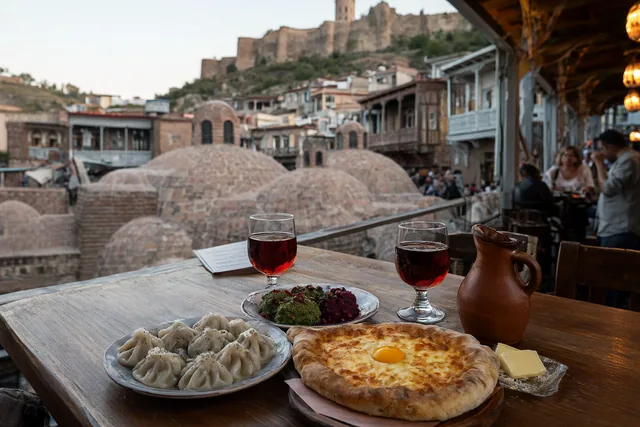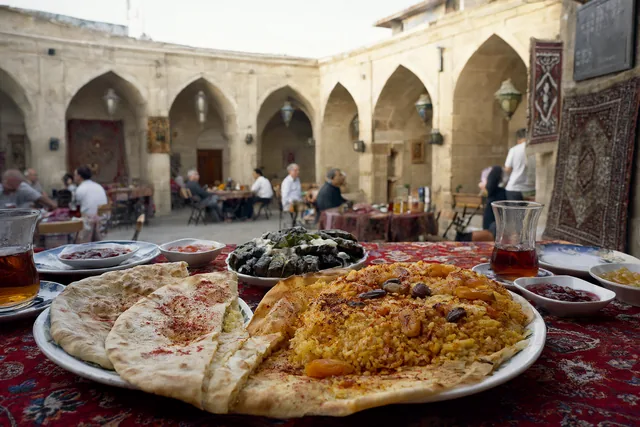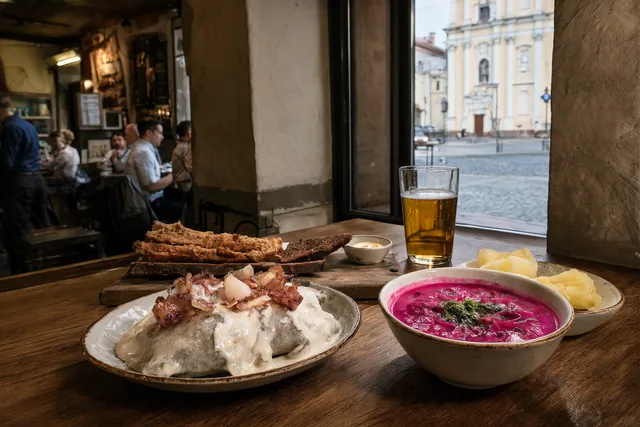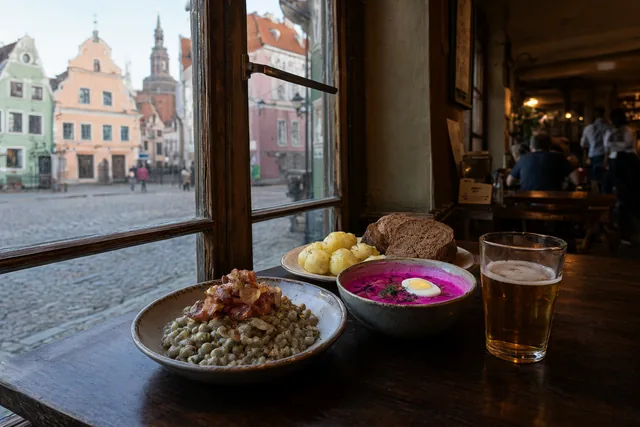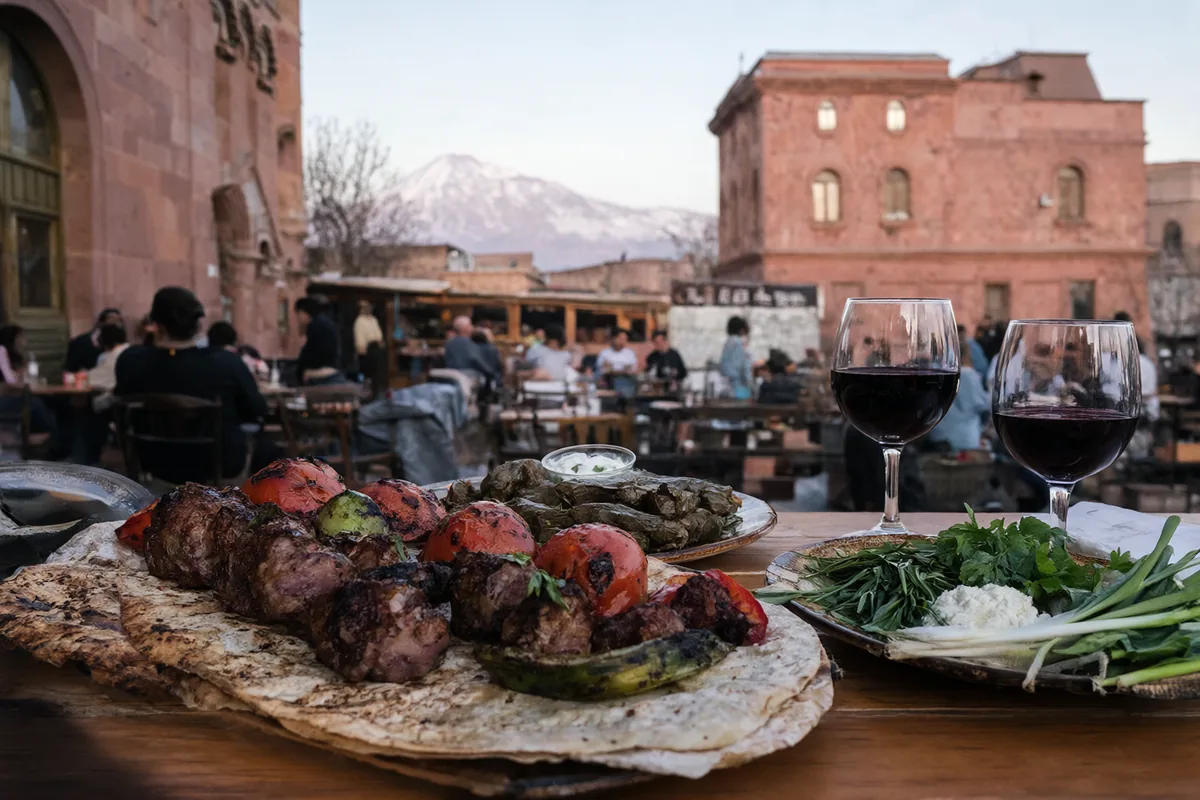
Armenian food is generous, herb-heavy and built for sharing: thin lavash from a clay oven, barbecued meat, stuffed vine leaves, a plate of fresh herbs and cheese on every table, and some of the best apricots in the world. This Armenia food guide covers the dishes to know, how to read a menu in the Armenian alphabet, tipping and service charges, then goes place by place through where to eat in Yerevan, Garni, Lake Sevan, Dilijan, Gyumri, Areni and Goris. Armenia is small, so a trip can take in the capital's wine bars, a village lavash bake and a trout lunch by the lake in a few days.
What to eat in Armenia: 12 dishes to know
An Armenian meal starts with a spread of cold dishes, herbs, cheese and bread, then moves to grilled meat and hot dishes. These are the ones worth looking for, with the region they belong to where it matters.
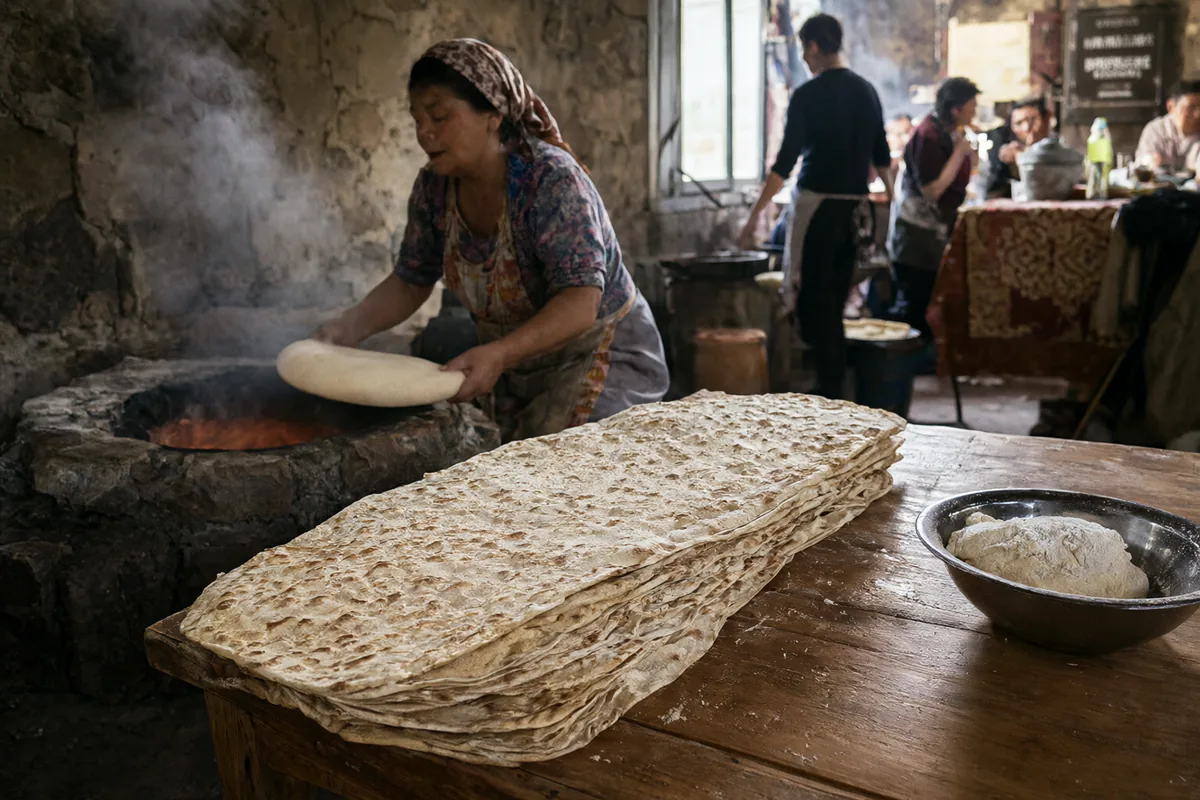
- Lavash (everywhere): paper-thin flatbread slapped onto the walls of a tonir, a clay oven set in the ground. The tradition of making it is on UNESCO's list of intangible heritage, and it is used to wrap meat, scoop food and cover dishes to keep them warm.
- Khorovats (everywhere): barbecue, Armenia's favourite celebration food. Pork is the most popular, with lamb, chicken and beef also common, and it usually comes with grilled aubergine, peppers and tomatoes chopped into a smoky salad.
- Tolma (everywhere): vine leaves stuffed with minced meat, rice and herbs, served with garlicky yoghurt. Summer tolma uses peppers, tomatoes and aubergines, and Lenten tolma is filled with beans and lentils.
- Khash (winter): a broth of slowly boiled beef feet, eaten early in the morning with dried lavash, garlic and salt, traditionally with vodka. It is a social ritual as much as a meal.
- Harissa (everywhere): a thick porridge of wheat and chicken or lamb, beaten for hours until smooth, finished with butter.
- Ghapama (autumn and winter): a whole pumpkin stuffed with rice, dried fruit, nuts and honey, baked and carried to the table at New Year and celebrations.
- Zhingyalov hats (from Artsakh, found in Yerevan): flatbread stuffed with a mix of up to 20 chopped wild and garden herbs, cooked on a griddle.
- Basturma and sujukh (everywhere): air-dried beef cured in a crust of fenugreek, garlic and paprika, and a dry, spiced beef sausage, sliced thin as a starter.
- Ishkhan (Lake Sevan): trout from Lake Sevan, grilled whole or baked. The wild Sevan trout is now rare, and most served today is farmed.
- Spas (everywhere): a warm soup of yoghurt and wheat with herbs, mild and comforting.
- Lahmajo (everywhere): a thin, crisp flatbread topped with spiced minced meat, tomato and herbs, a cheap and quick lunch.
- Gata (everywhere, especially around Garni): a sweet bread or pastry with a buttery, sugary filling, sold at roadside stalls near monasteries.
To drink, Armenia makes well-known brandy, a growing number of excellent wines from native grapes such as Areni, and oghi, strong fruit vodka from mulberries, apricots, cornelian cherries or pears. Tan, a salty, chilled yoghurt drink, goes with barbecue, and coffee is served thick and strong in small cups. In the markets, look for dried fruit and sujukh of another kind: walnuts threaded on a string and dipped in thickened grape juice.
How to read an Armenian menu
Armenian has its own alphabet of 38 letters, created in the fifth century and used nowhere else. Restaurants in central Yerevan usually have English menus, and many menus across Armenia are also printed in Russian, which older Armenians speak well. Village restaurants and roadside cafés may have Armenian only. These are the words worth recognising.
| Armenian | Romanised | Meaning |
|---|---|---|
| խորոված | khorovats | Barbecued meat (խոզի khozi, pork; գառան garan, lamb; հավի havi, chicken) |
| լավաշ | lavash | Thin flatbread from the clay oven |
| տոլմա | tolma | Stuffed vine leaves or vegetables |
| միս | mis | Meat (տավարի tavari, beef) |
| ձուկ | dzuk | Fish (իշխան ishkhan, trout) |
| պանիր | panir | Cheese |
| աղցան | aghtsan | Salad |
| ապուր | apur | Soup |
| կանաչի | kanachi | Fresh herbs, served as a plate on the table |
| մածուն | matsun | Yoghurt |
| գինի | gini | Wine |
| ջուր | jur | Water |
| սպասարկում | spasarkum | Service, the service charge line on the bill |
| բուսակերական | busakerakan | Vegetarian (dish) |
Khorovats is often priced per kilo or per skewer, and a mixed platter for the table can be much bigger than it sounds. Photograph the menu with swap.menu and it reads the Armenian or Russian text, explains each dish in your language and converts the dram price, including items priced by weight, before you order.
Tipping, service charges and paying the bill
Many restaurants in Yerevan add a service charge to the bill, usually around 10 percent, and it is shown as a separate line. If it is there, an extra tip is not expected, though leaving small change for good service is appreciated. If there is no service charge, around 10 percent is a normal tip in restaurants, and cafés and bakeries do not expect anything. Our guide to tax and service charges on menus explains how these lines work around the world.
Armenia's currency is the dram (AMD, ֏). Cards are widely accepted in Yerevan restaurants, cafés and shops, but cash is needed in villages, at markets, at roadside stalls and in many guesthouses outside the capital. If a card terminal offers to charge you in your home currency, choose dram: our guide to paying in local currency explains why that costs you less.
Armenians eat lunch from about 1pm and dinner late, often from 8pm, with cafés and terraces in Yerevan busy until midnight in summer. Meals are shared: order a few starters, a plate of herbs, lavash and khorovats for the table rather than one main each. Hospitality is serious, and if you are invited to a home you will be fed far more than you can eat.
Where to eat in Armenia, place by place
Most visitors base themselves in Yerevan and take day trips, but staying a night or two in the regions is the best way to eat home cooking. Jump to a destination:
Where to eat in Yerevan
Yerevan is a café city, built of pink and orange volcanic tufa, with terraces on almost every corner of the centre. The streets between Republic Square, Northern Avenue and the Cascade, the giant stairway of terraces and sculpture gardens, hold most of the restaurants and cafés, and Saryan Street has become the city's wine bar street, a good place to taste Armenian wines by the glass with cheese and cured meats. Proshyan Street is known for its khorovats restaurants, where the meat comes off the grill on sheets of lavash.
For markets, the GUM market on Movses Khorenatsi Street is the place to buy dried fruit, nuts, sujukh, spices, cheese and basturma, and vendors are happy to let you taste. Look for small bakeries making lahmajo and zhingyalov hats for a cheap lunch, and do not be surprised by the stone drinking fountains called pulpulak on street corners: Yerevan's spring water is cold and safe. On weekends the Vernissage market sells crafts rather than food, but the cafés around it fill up.
Where to eat in Garni
Garni, about 45 minutes from Yerevan, is home to Armenia's only standing Greco-Roman temple, perched above a gorge of basalt columns, and it is a regular stop on the way to Geghard monastery. It is also one of the easiest places to watch lavash being made. Several village homes and guesthouses in Garni welcome visitors into their kitchens, where women stretch the dough over an oval cushion and slap it onto the wall of the tonir, then serve it hot with cheese, herbs and khorovats for lunch.
Book a home lunch through your guesthouse or tour, as many are arranged in advance. Around Garni and Geghard, roadside stalls sell gata, sweet breads, dried fruit and sujukh. The village restaurants in the gorge serve barbecue and trout in summer. Garni is a good half-day from Yerevan with a long lunch in the middle.
Where to eat at Lake Sevan
Lake Sevan, high in the mountains about an hour north-east of Yerevan, is Armenia's summer beach, and its food is fish. The shore road near Sevanavank, the monastery on the peninsula, is lined with fish restaurants serving ishkhan (trout), whitefish and the lake's crayfish, boiled and served with beer. Trout here is grilled whole, baked in lavash or served with pomegranate.
The water is cold and the season short, so most restaurants on Lake Sevan are busiest from June to September, and some close in winter. Fish is sometimes priced by weight, so ask before it is cooked. Combine a lunch at Sevan with Dilijan, about half an hour further north, for a full day out of Yerevan.
Where to eat in Dilijan
Dilijan is a forest resort in the green hills of the Tavush region, cooler than Yerevan and known for its mountain air and nearby monasteries such as Haghartsin and Goshavank. The restored 19th-century houses with wooden balconies on Sharambeyan Street, in the old part of town, hold craft workshops and cafés, and guesthouses in Dilijan serve home cooking built on local produce.
The forests around Dilijan provide wild mushrooms, berries and herbs, and locals sell honey, fruit preserves and dried mountain thyme for tea by the roadside. Order mushroom dishes in season, khorovats, and a pot of herbal tea. Dilijan's restaurants are relaxed rather than smart, and most visitors combine them with a walk in the national park.
Where to eat in Gyumri
Gyumri, Armenia's second city, has a character all its own: a historic centre of black and red tufa buildings in the Kumayri district, a reputation as the home of Armenian humour, and a tradition of hearty, old-fashioned cooking. Taverns and restaurants in the old stone houses around Vardanants Square serve khorovats, tolma, soups and, in winter, khash for those willing to get up early for it.
Gyumri is quieter and cheaper than Yerevan, and its bakeries and small restaurants feel very local. The city also has a long brewing history, so local beer is a natural choice with lunch. Walk the old streets of Gyumri between meals: the 19th-century stone houses of Kumayri came through the 1988 earthquake better than much of the newer city, and the restored houses and churches are worth the trip on their own.
Where to eat in Areni
Areni, in the Vayots Dzor region south of Yerevan, is the heart of Armenian wine country and gave its name to the country's best-known red grape. The nearby Areni-1 cave contained what archaeologists describe as the oldest known winery, around 6,000 years old. Today, family wineries and tasting rooms along the road through the village pour their own wines with plates of cheese, herbs, lavash and grilled meat.
The Areni wine festival, held each year in early October, fills the village with stalls of homemade wine, fruit vodka and food. The rest of the year, roadside stands sell homemade wine, dried fruit and sujukh. Areni combines well with the monastery of Noravank, in a red rock canyon nearby, and restaurants along the river gorge serve trout and khorovats.
Where to eat in Goris
Goris, in the southern Syunik region, is the base for the Wings of Tatev cable car and the old cave dwellings of Khndzoresk. It is known across Armenia for its fruit vodka, especially from mulberries and cornelian cherries, made by families and sold in town. The town has a few restaurants and many guesthouses, and dinner at a guesthouse is often the best meal you will eat in the south.
Expect tolma, khorovats, soups, cheese, herbs and home-made preserves, often with a glass of oghi offered at the start. Restaurants in Goris are simple and inexpensive, so carry cash, and ask your host what is in season: the orchards around Goris produce mulberries, apricots and other fruit through the summer.
Vegetarian, vegan and allergy tips
Armenian food is easier for vegetarians than it first looks. A meal of lavash, cheese, fresh herbs, grilled vegetable salad, lentil soup, beans and Lenten tolma is entirely meat-free, and the Armenian Apostolic tradition of fasting means many cooks know how to make dishes without meat or dairy. Watch for meat stock in soups, butter in harissa and pilafs, and yoghurt in sauces and spas. The word for a vegetarian dish is բուսակերական (busakerakan).
Walnuts are common in Armenian cooking, in stuffings, sweets and sujukh, and pine nuts and pistachios appear in desserts. Wheat is in lavash, harissa, spas and most pastries, so coeliacs need care. Our guide to eating abroad with food allergies explains how to explain an allergy clearly when you do not speak the language.
Useful Armenian phrases for ordering
Բարև ձեզ Barev dzez: "Hello", the polite greeting
Ի՞նչ կառաջարկեք Inch karajarkek?: "What do you recommend?"
Սա եմ ուզում Sa em uzum: "I would like this" (pointing)
Ես միս չեմ ուտում Yes mis chem utum: "I don't eat meat"
Ընկույզից ալերգիա ունեմ Enkuyzits alergia unem: "I am allergic to nuts"
Հաշիվը, խնդրում եմ Hashivy, khndrum em: "The bill, please"
Շնորհակալություն, շատ համեղ էր Shnorhakalutyun, shat hamegh er: "Thank you, it was very tasty"
Կենաց Kenats!: "Cheers!", literally "to life"
How swap.menu helps you eat in Armenia
Outside central Yerevan, menus are often in Armenian script with Russian alongside, and dish names such as khashlama or putuk give no clue to what arrives. Photograph the menu with swap.menu and every dish appears in your language with the Armenian name beside it and a short explanation, so you know that khashlama is meat simmered with vegetables in its own juices and that putuk is a lamb and chickpea stew baked in a clay pot. Every price is converted from dram to your home currency, and the service charge is pointed out.
Tap the dishes you want, add a note such as "no meat" or "no nuts, please", typed or spoken, and swap.menu translates your order into Armenian. Show the waiter your phone, or let them scan the QR code and read the order on their own screen. Try it on a sample menu with the free demo, or see travel pass prices.
Off to Armenia? Your first 3 menu scans are free, and a travel pass starts from $4.99 with nothing that renews.
Start free with 3 scansArmenia food FAQ
Do you tip in restaurants in Armenia?
Many restaurants in Yerevan add a service charge of around 10 percent, shown on the bill. If it is included, no extra tip is expected. If not, around 10 percent is a normal tip, and cafés and bakeries do not expect one.
What food is Armenia famous for?
Lavash flatbread, khorovats barbecue, tolma stuffed vine leaves, khash, harissa and ghapama stuffed pumpkin. Armenia is also known for its apricots, its brandy and wines made from the native Areni grape.
Is Armenia expensive to eat out?
Armenia is good value. A meal in a mid-range Yerevan restaurant costs much less than in western Europe, and bakeries, lahmajo shops and village restaurants are cheaper still. Wine bars and smart restaurants in central Yerevan are the most expensive.
Is tap water safe to drink in Armenia?
Yerevan's tap water comes from mountain springs and is widely considered safe to drink, and locals drink from the street fountains called pulpulak. In rural areas, ask your host or drink bottled water if you are unsure.
What time do people eat dinner in Armenia?
Dinner usually starts around 7pm to 8pm and often runs late, especially in summer when Yerevan's terraces stay busy until midnight. Lunch is usually from about 1pm, and khash is eaten early in the morning in winter.
How can I read an Armenian menu if I cannot read the alphabet?
Ask for an English or Russian menu in Yerevan, learn a few dish names, or photograph the menu with swap.menu. It reads the Armenian script, translates every dish into your language, explains what it is, converts dram prices and translates your order back into Armenian.
Travelling further in the Caucasus and the region? Read our food guides for neighbouring countries:
Or browse every travel food guide.