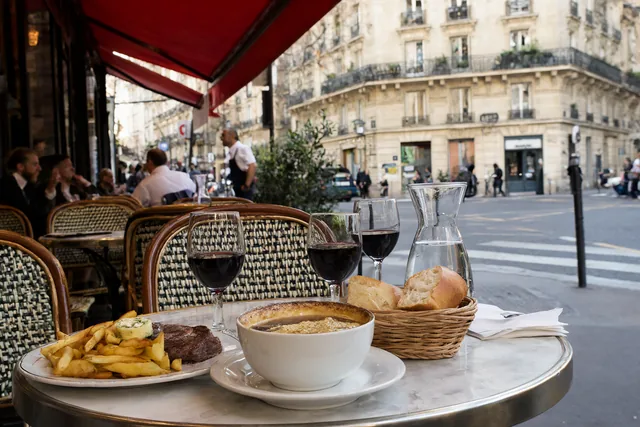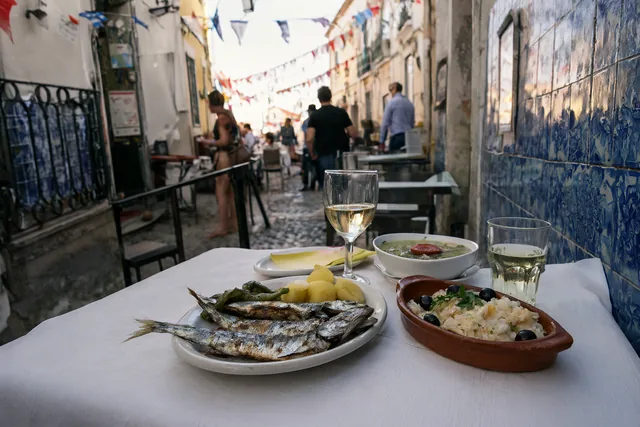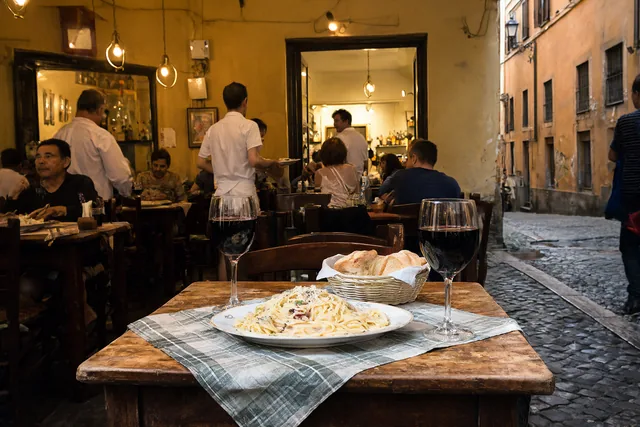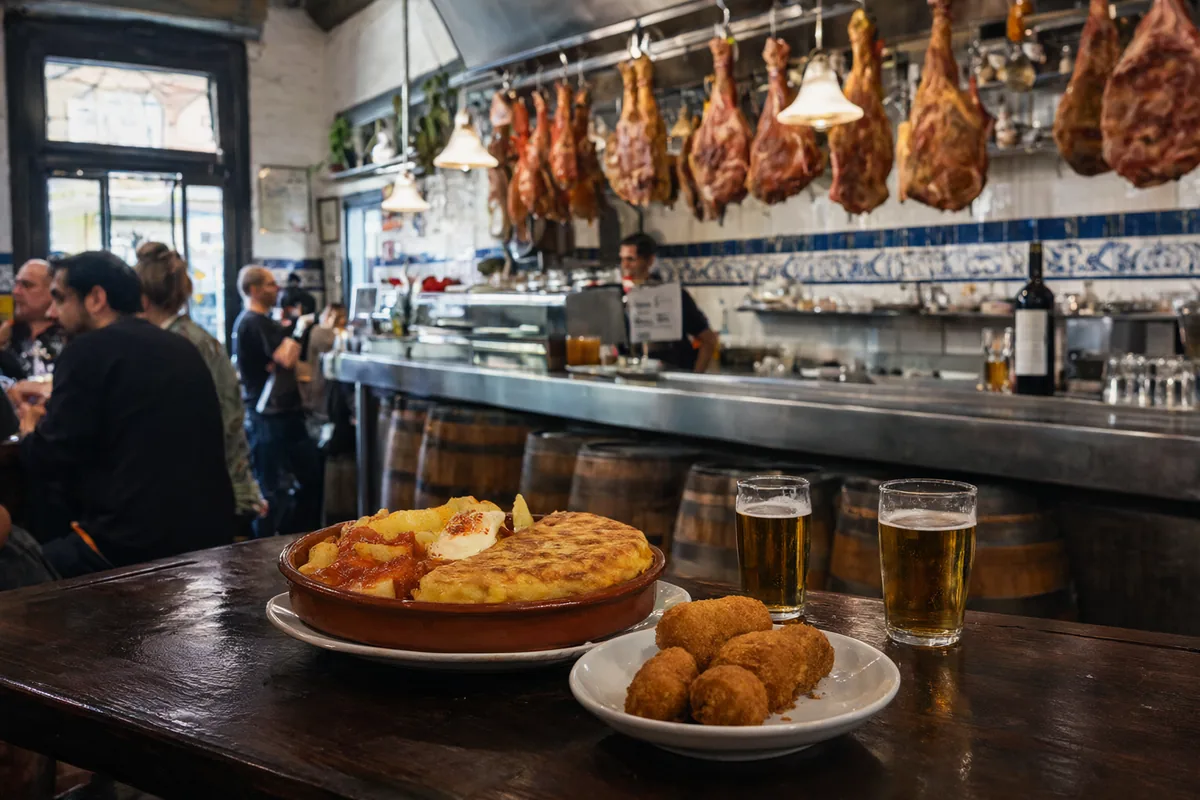
Spain eats later, longer and more sociably than almost anywhere in Europe, and much of the best food is eaten standing at a bar. This Spain food guide covers the dishes to know, how to read a Spanish menu and order tapas, how tipping and the bill work, then goes city by city through where to eat in Madrid, Barcelona, San Sebastián, Seville, Valencia, Granada and Málaga. Spanish cooking changes completely from region to region: paella belongs to Valencia, pintxos to the Basque Country, gazpacho and fried fish to Andalusia, and Barcelona cooks in Catalan. Learn the rhythm of the day and you will eat very well for not much money.
What to eat in Spain: 12 dishes to know
These are the dishes worth seeking out, with the region they come from. Most are served as tapas or raciones to share, so you can try several in one sitting.
- Jamón ibérico (everywhere): cured ham from black Iberian pigs, sliced by hand. The top grade, de bellota, comes from pigs fattened on acorns.
- Tortilla de patatas (everywhere): a thick omelette of potatoes and egg, usually with onion, served in wedges. Some bars cook it runny in the middle.
- Paella valenciana (Valencia): rice cooked in a wide flat pan with chicken, rabbit, flat green beans and butter beans. The seafood version is paella de marisco.
- Patatas bravas (Madrid and everywhere): fried potato chunks with a spicy tomato sauce, often with garlic mayonnaise too.
- Gazpacho and salmorejo (Andalusia): cold summer soups. Gazpacho is a thin blend of tomato, pepper, cucumber and garlic; salmorejo from Córdoba is thicker, with bread, topped with egg and ham.
- Pulpo a la gallega (Galicia): boiled octopus sliced over potato, dressed with olive oil, salt and paprika, served on a wooden board.
- Croquetas (everywhere): fried béchamel croquettes, most often filled with ham, chicken or salt cod. A good bar makes its own.
- Pimientos de Padrón (Galicia): small green peppers fried and salted. Most are mild, but the odd one is hot.
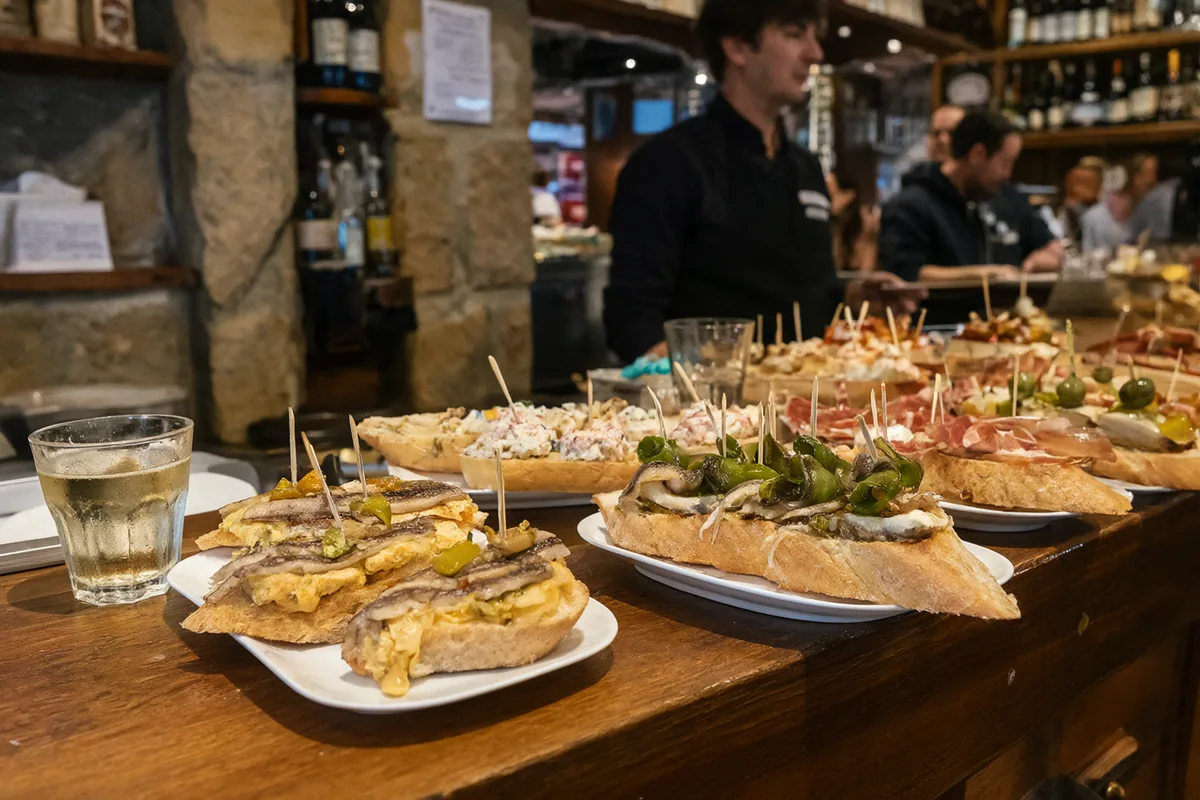
- Pintxos (Basque Country): small bites, often on a slice of bread held with a toothpick, laid out along the bar or cooked to order.
- Cocido madrileño (Madrid): a chickpea stew with meats and vegetables, served in courses: first the broth with noodles, then the chickpeas and meat.
- Fabada asturiana (Asturias): a rich stew of large white beans with chorizo, morcilla (black pudding) and pork belly.
- Churros con chocolate (everywhere): fried dough sticks dipped in thick hot chocolate, eaten for breakfast or at the end of a long night out.
How to read a Spanish menu
In a tapas bar, most dishes come in up to three sizes: a tapa (a small plate or saucer), a media ración (half portion) and a ración (a full plate to share). At lunch, look for the menú del día: on weekdays most restaurants offer a fixed-price meal with a first course, second course, dessert or coffee, bread and a drink, and it is usually the best value meal in Spain. In Barcelona many menus are written in Catalan, and in San Sebastián you will see Basque words, but the Spanish terms below work everywhere.
| Spanish | Meaning |
|---|---|
| Tapa / media ración / ración | Small plate / half portion / full sharing plate |
| Menú del día | Fixed-price set lunch, usually with a drink included |
| Primer plato / segundo plato | First course (salad, soup, rice, vegetables) / second course (meat or fish) |
| Postre | Dessert |
| Bebida incluida | Drink included |
| Carne / pescado / marisco | Meat / fish / shellfish |
| Cerdo / ternera / cordero / pollo | Pork / beef (young beef) / lamb / chicken |
| Embutidos | Cured sausages and meats: chorizo, salchichón, lomo |
| A la plancha / a la brasa / frito / al horno | Griddled / chargrilled / fried / baked |
| Bocadillo | Sandwich in a baguette-style roll |
| Montadito | Small open sandwich, a slice of bread with a topping |
| S/M or según mercado | Market price, common for seafood: ask before ordering |
| Suplemento terraza | Extra charge for sitting outside |
| Caña / tinto / vino blanco | Small draught beer / red wine / white wine |
Seafood marked "S/M" or priced "por kilo" can turn a cheap tapas lunch into an expensive one: the number is per kilo, and a plate of prawns or a whole fish is weighed before it is cooked. Ask the price of your portion first. swap.menu flags priced-by-weight and market-price items when it reads the menu, so the bill is no surprise.
Tipping, bread charges and paying the bill
Spanish restaurants do not usually add a service charge, and tipping is modest. Locals leave small change or round up after a coffee or a few tapas, and leave a few euros, or up to about 10 percent, after a good sit-down meal. In tourist areas staff are more used to tips, but nobody expects the 15 to 20 percent common in North America. Menu prices should include IVA, the Spanish VAT. If a menu says "IVA no incluido", the tax will be added to your bill.
Two charges catch visitors out. Many restaurants bring bread, olives or a small appetiser without being asked and add them to the bill; you can send them back if you do not want them. Some bars also charge more for a table on the terraza than at the bar, which should be shown on the menu. Our guide to tax and service charges on menus explains how these lines appear around the world.
Prices are in euros (€). Cards and contactless payment are accepted almost everywhere, though some small bars prefer cash for a coffee or a couple of drinks. In a tapas bar you usually pay at the end, and the bartender keeps track or counts your plates and toothpicks. If a card machine offers to charge you in your home currency, choose euros: our guide to paying in local currency explains why.
Meal times are the biggest adjustment. Lunch, the main meal, runs from about 2pm to 4pm, and dinner from 9pm to 11pm, later on weekends and in summer. Before lunch and before dinner, Spaniards go out for tapas and a drink. A restaurant that is full at 7pm is almost certainly full of tourists.
Where to eat in Spain, city by city
Each Spanish city has its own bar culture, from the free tapas of Granada to the pintxo counters of San Sebastián. Jump to a city:
Where to eat in Madrid
Madrid gathers food from every region of Spain, but its own dishes are hearty and unfussy: cocido madrileño, callos a la madrileña (tripe stewed with chorizo and paprika), huevos rotos (fried eggs broken over chips, often with ham) and the city's odd but excellent bocadillo de calamares, a roll stuffed with fried squid rings, sold in the bars around Plaza Mayor. Madrileños go out for el aperitivo before lunch, often a glass of vermouth on tap, and many bars still bring a small free tapa with a drink.
The best area for a tapas crawl is La Latina, especially Cava Baja and the streets around it, which fill up on Sunday after the El Rastro flea market. Lavapiés is multicultural and cheaper, with the Mercado de San Fernando for casual eating, while Malasaña and Chueca are younger and livelier. The Mercado de San Miguel near Plaza Mayor is beautiful but expensive; the Mercado de Antón Martín is more local. Finish a late night in Madrid the traditional way, with churros and chocolate.
Where to eat in Barcelona
Barcelona is Catalan, and its menus often are too. The everyday staple is pa amb tomàquet, bread rubbed with ripe tomato, olive oil and salt, served with ham or cheese. Look for bombas (spicy meat and potato croquettes, a Barceloneta speciality), escalivada (roasted peppers and aubergine), botifarra sausage with white beans, fideuà (a paella made with short noodles) and crema catalana, Catalonia's version of crème brûlée. In late winter and early spring, Catalans gather for calçotades, feasts of chargrilled spring onions dipped in romesco sauce.
The Boqueria market on La Rambla is famous, crowded and best early in the morning; the Mercat de Santa Caterina and the Mercat de Sant Antoni are more relaxed. For tapas, try El Born and the Barri Gòtic, the pintxo bars of Carrer de Blai in Poble-sec, and the squares of Gràcia. Paella on Barcelona's seafront is a tourist ritual, but much of it is reheated, so choose a restaurant that cooks rice to order and says so. Barcelona has a strong vermouth culture, best on a weekend before lunch.
Where to eat in San Sebastián
San Sebastián (Donostia in Basque) is one of the great eating cities of the world, and you can eat superbly without ever booking a table. The pintxo crawl is the way to do it: the Parte Vieja, the old town, is packed with bars whose counters are covered in small bites, and the trick is to order one or two at each bar and move on. The cold pintxos on the counter are only half the story; many bars list hot pintxos on a board, cooked to order, and these are often the best. Try the Gilda, an anchovy, olive and pickled guindilla pepper on a stick, said to be the first pintxo.
Drink txakoli, a slightly sparkling Basque white wine poured from a height, or local cider. The Gros neighbourhood across the river has more pintxo bars and fewer tour groups, and La Bretxa market is where to see the produce. Sit-down meals in San Sebastián focus on grilled fish, such as turbot cooked whole over coals, and txuleta, a thick rib steak from older cattle. From January to April, the cider houses in nearby Astigarraga serve set menus of salt cod omelette, steak and cider straight from the barrel.
Where to eat in Seville
Seville is Spain's tapas capital in the eyes of many Andalusians, and the bars here serve small plates of almost everything on the menu. Order espinacas con garbanzos (spinach and chickpeas with cumin), solomillo al whisky (pork loin in a garlic and whisky sauce), montadito de pringá (a small roll filled with slow-cooked meats from the stew pot), salmorejo, pescaíto frito (mixed fried fish) and carrillada (braised pork cheeks). In hot weather, locals drink tinto de verano (red wine with lemonade) or a glass of chilled sherry from nearby Jerez or manzanilla from Sanlúcar de Barrameda.
The Barrio Santa Cruz near the cathedral is beautiful but has many tourist menus. Cross the river to Triana, with its tiled ceramics workshops, the Mercado de Triana and bars along Calle Betis and Calle Pureza, or head north to the Alameda de Hércules and the Feria market area for younger crowds. Seville eats late even by Spanish standards, and in summer the heat pushes dinner past 10pm.
Where to eat in Valencia
Valencia is the home of paella, and the city takes it seriously. A proper paella valenciana has chicken, rabbit, flat green beans and garrofó butter beans, cooked over a wide fire until a crisp, slightly caramelised layer called the socarrat forms on the bottom. Valencians eat rice at lunch, not dinner, and good restaurants cook it to order, which takes 20 minutes or more and usually needs at least two people. Look also for arroz a banda (rice cooked in fish stock), arroz negro (black squid-ink rice) and fideuà, which was born in the town of Gandia, south of Valencia.
The Mercado Central, a modernist market hall with a glass dome, is one of the finest in Europe. Russafa (Ruzafa) is the neighbourhood for restaurants and bars, and the seafront at El Cabanyal and La Malvarrosa is where Valencian families go for Sunday paella. The rice fields and lagoon of the Albufera, south of the city, are the birthplace of the dish. For something cold, order horchata, a sweet drink made from tiger nuts, with long, soft pastries called fartons for dipping.
Where to eat in Granada
Granada is famous for one thing above all: in most bars a free tapa comes with every drink. Order a beer or a glass of wine and a plate arrives with it, and each round brings something different, so three or four drinks can add up to a light dinner. The tapas are generous and hearty, from fried aubergine with cane honey to small burgers, stews and habas con jamón (broad beans with ham). The tortilla del Sacromonte, an omelette made with offal, is a local tradition.
The main tapas streets are Calle Navas near Plaza del Carmen, Calle Elvira, and the old Jewish quarter of Realejo, which is the most local of the three. Granada's Moorish past shows in the Albaicín, where the narrow street of Calderería is lined with Moroccan-style tea houses (teterías) serving mint tea and pastries. In the nearby town of Santa Fe, bakers make piononos, small rolled sponge cakes soaked in syrup and topped with caramelised cream.
Where to eat in Málaga
Málaga's signature dish is the espeto, sardines threaded on a cane skewer and grilled over a wood fire, often in an old boat filled with sand on the beach. The chiringuitos, beach restaurants, of Pedregalejo and El Palo are the places to eat them, with plates of pescaíto frito, fried anchovies (boquerones) and clams. In summer, look for ajoblanco, a cold white soup of almonds, garlic and bread, often served with grapes.
In the centre, the Mercado de Atarazanas has a striking stained-glass window and small bars serving seafood straight from the stalls. The old town streets around Calle Larios and the cathedral are full of tapas bars where locals drink the sweet Málaga wine from the barrel. Málaga also has its own system for ordering coffee, from a solo (black) through a mitad (half coffee, half milk) to a nube, a "cloud" of milk with a little coffee.
Vegetarian, vegan and allergy tips
Traditional Spanish cooking uses a lot of pork and seafood, and ham turns up where you least expect it: in croquetas, on vegetable dishes, in beans and even in some salads. Stews and lentils are often cooked with chorizo, and fish stock is common in rice dishes. Ask for dishes sin carne (without meat) or sin jamón, and use the word vegetariano (or vegetariana). Vegans should look for vegano. Safe tapas include pimientos de Padrón, patatas bravas (check the sauce), escalivada, gazpacho and tortilla for vegetarians.
EU rules mean restaurants must be able to tell you about the 14 major allergens, and many bars keep an allergen chart. Coeliac disease is well understood, and "sin gluten" options are increasingly common, though fried food may share oil with battered dishes. Almonds appear in many Spanish sweets and in romesco and ajoblanco. Our guide to eating abroad with food allergies explains how to explain an allergy clearly in another language.
Useful Spanish phrases for ordering
Hola, buenas "Hello", the everyday greeting in bars and restaurants
Una mesa para dos, por favor "A table for two, please"
¿Qué me recomienda? "What do you recommend?"
Me pone esto, por favor "I'll have this, please" (pointing), the usual way to order in Spain
Una caña y una ración de croquetas "A small beer and a plate of croquetas"
Soy alérgico / alérgica a... "I am allergic to..." (alérgico for a man, alérgica for a woman)
La cuenta, por favor "The bill, please"
Estaba buenísimo, gracias "It was delicious, thank you"
How swap.menu helps you eat in Spain
Spanish bar menus are often a chalkboard or a laminated card in Spanish, Catalan or Basque, with three prices per line and no explanation. Photograph it with swap.menu and every dish appears in your language with the original name beside it and a short explanation, so you know that oreja a la plancha is grilled pig's ear, that morcilla is black pudding and that sesos are brains. Every price is converted from euros to your home currency, and we separate tapa, half and full portion prices and flag market-price seafood.
Tap the dishes you want, add a note such as "no ham", "no seafood" or "gluten-free", typed or spoken, and swap.menu translates your order into Spanish. Show the bartender your phone, or let them scan the QR code and read your order on their own screen. You can try it right now on a sample menu with the free demo, or see travel pass prices.
Off to Spain? Your first 3 menu scans are free, and a travel pass starts from $4.99 with nothing that renews.
Start free with 3 scansSpain food FAQ
Do you tip in restaurants in Spain?
Tipping is not expected in Spain, and service charges are rare. Locals round up or leave small change in bars and a few euros, or up to around 10 percent, after a good restaurant meal. It is always optional.
What food is Spain most famous for?
Paella from Valencia, jamón ibérico, tortilla de patatas, tapas and Basque pintxos, gazpacho, patatas bravas and churros with chocolate. Spanish food is very regional, so each city has its own specialities.
What time do people eat dinner in Spain?
Dinner in Spain usually starts between 9pm and 10pm, and later in summer and in the south. Lunch, the main meal, is eaten from about 2pm to 4pm. Many kitchens close between services, but tapas bars stay open.
Is it expensive to eat out in Spain?
Spain is one of the better-value countries in western Europe for eating out. The weekday menú del día gives you three courses with a drink for a moderate fixed price, and tapas bars let you eat well for little. Seafood priced by weight and restaurants in prime tourist spots are where bills climb.
Which Spanish city is best for food?
San Sebastián is often called the best food city in Spain for its pintxo bars and grilled fish. Madrid and Barcelona have the widest choice, Valencia is the home of paella, Seville is a tapas capital and Granada still serves a free tapa with most drinks. Each city in this guide has its own section.
How can I read a Spanish menu if I do not speak Spanish?
Learn the portion sizes (tapa, media ración, ración), the cooking words and the menú del día, or photograph the menu with swap.menu. It translates every dish into your language, explains what it is, converts prices from euros to your currency and translates your order into Spanish for the waiter.
Travelling further in Europe? Read our food guides for neighbouring countries:
Or browse every travel food guide.