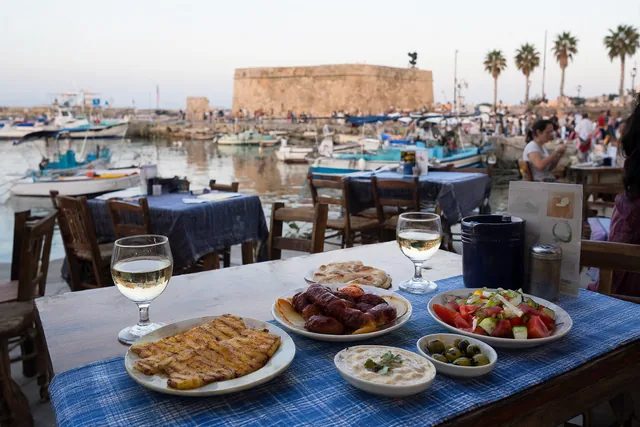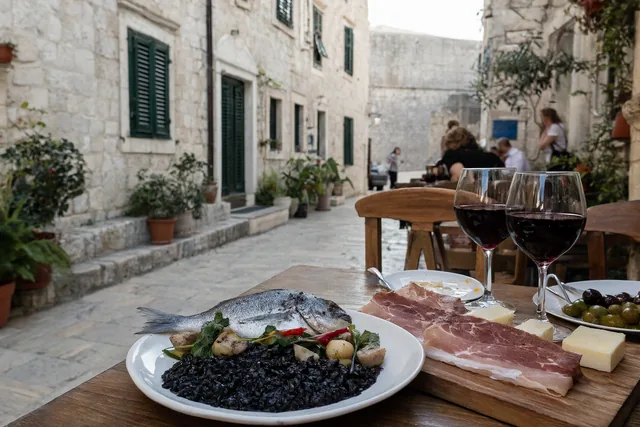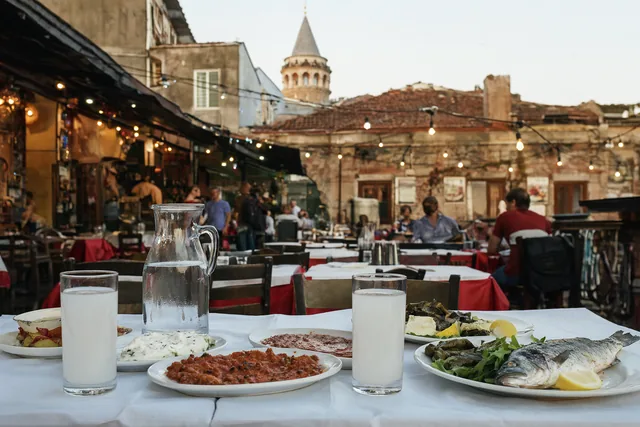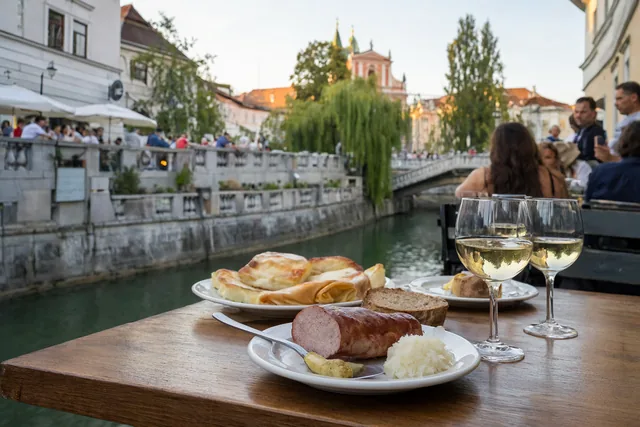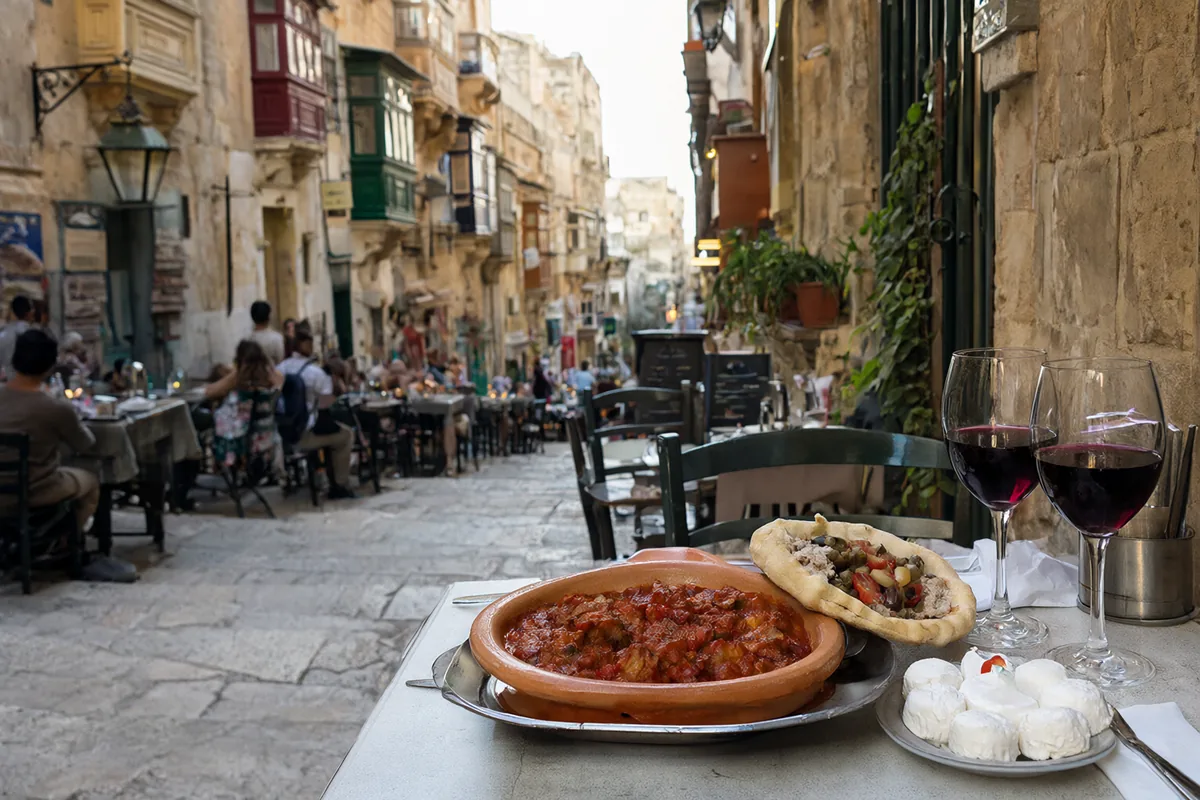
Malta is a small island nation with a cuisine all its own, shaped by its position between Sicily and North Africa and by centuries of Arab, Knights of St John and British rule. Rabbit stew, flaky pastizzi, sourdough ftira, fish soup and sheep's milk cheeselets sit alongside pasta dishes that would be at home in Sicily (our Italy food guide covers Palermo, a short ferry and drive away). This Malta food guide covers the dishes to know, how to read a Maltese menu, tipping and paying, then goes town by town through where to eat in Valletta, Sliema and St Julian's, Mdina and Rabat, Marsaxlokk, Birgu and the island of Gozo. English is an official language, so menus are easy to read. Knowing which dishes to order is the part that takes some help.
What to eat in Malta: 12 dishes to know
These are the dishes Maltese families actually cook, along with the snacks that keep the islands going between meals. Many are seasonal or associated with village festas, so look out for them on chalkboards.
- Stuffat tal-fenek (everywhere): rabbit stewed slowly in red wine, garlic, tomato and bay, the closest thing Malta has to a national dish. The sauce is often served first with spaghetti, then the rabbit as a main.
- Pastizzi (everywhere): diamond-shaped pastries of flaky dough filled with ricotta (tal-irkotta) or mushy peas (tal-piżelli), sold hot from small pastizzerias for very little.
- Ħobż biż-żejt (everywhere): Maltese bread rubbed with tomato paste and olive oil, topped with tuna, capers, olives, onion and mint.
- Ftira (everywhere): a ring-shaped sourdough flatbread, recognised by UNESCO as part of Malta's cultural heritage, usually filled like ħobż biż-żejt.
- Gozo ftira (Gozo): a different dish, a thin bread base baked with sliced potato, onion, anchovies, olives and cheese.
- Torta tal-lampuki (everywhere, autumn): a pie of lampuki (dorado or mahi-mahi) with spinach, olives and raisins, made during the lampuki season from late summer.
- Aljotta (coast): a garlicky fish soup with tomato, marjoram and a little rice.
- Bigilla (everywhere): a dip of mashed broad beans with garlic, chilli and parsley, served with bread and galletti crackers.
- Timpana (everywhere): baked macaroni with minced meat, egg and tomato sauce, wrapped in a pastry crust. Imqarrun il-forn is the same without the pastry.
- Bragioli (everywhere): thin slices of beef rolled around a stuffing of minced meat, egg and breadcrumbs, then braised. The English call them beef olives.
- Ġbejniet (Gozo): small round sheep's milk cheeselets, eaten fresh, dried or coated in black pepper.
- Imqaret (everywhere): fried diamond-shaped pastries filled with spiced dates, often sold from stalls at festas.
Malta has its own wine grapes, the red Gellewża and the white Girgentina, and you will see both by the glass. In summer, village festas bring street stalls selling qubbajt, Maltese nougat.
How to read a Maltese menu
Most menus in Malta are in English, often with Maltese dish names left untranslated, and family restaurants sometimes write the day's specials in Maltese only. Maltese is a Semitic language written in the Latin alphabet, with extra letters: ħ is a breathy "h", x sounds like "sh", ġ like the "j" in "jam", and q is a silent catch in the throat. These are the words you will meet on menus and chalkboards.
| Maltese | Meaning |
|---|---|
| Fenek | Rabbit |
| Stuffat | Stew |
| Moqli | Fried |
| Mixwi | Grilled |
| Fil-forn | Baked in the oven |
| Ħut | Fish |
| Laħam | Meat |
| Ħobż | Bread |
| Ġbejna / ġbejniet | Cheeselet / cheeselets |
| Irkotta / piżelli | Ricotta / peas, the two pastizzi fillings |
| Imqarrun / ross | Macaroni / rice |
| Tal-... | "Of" or "made with", as in torta tal-lampuki (lampuki pie) |
| Fenkata | A rabbit feast, usually a set meal for a group |
| Ħelu | Sweet, desserts |
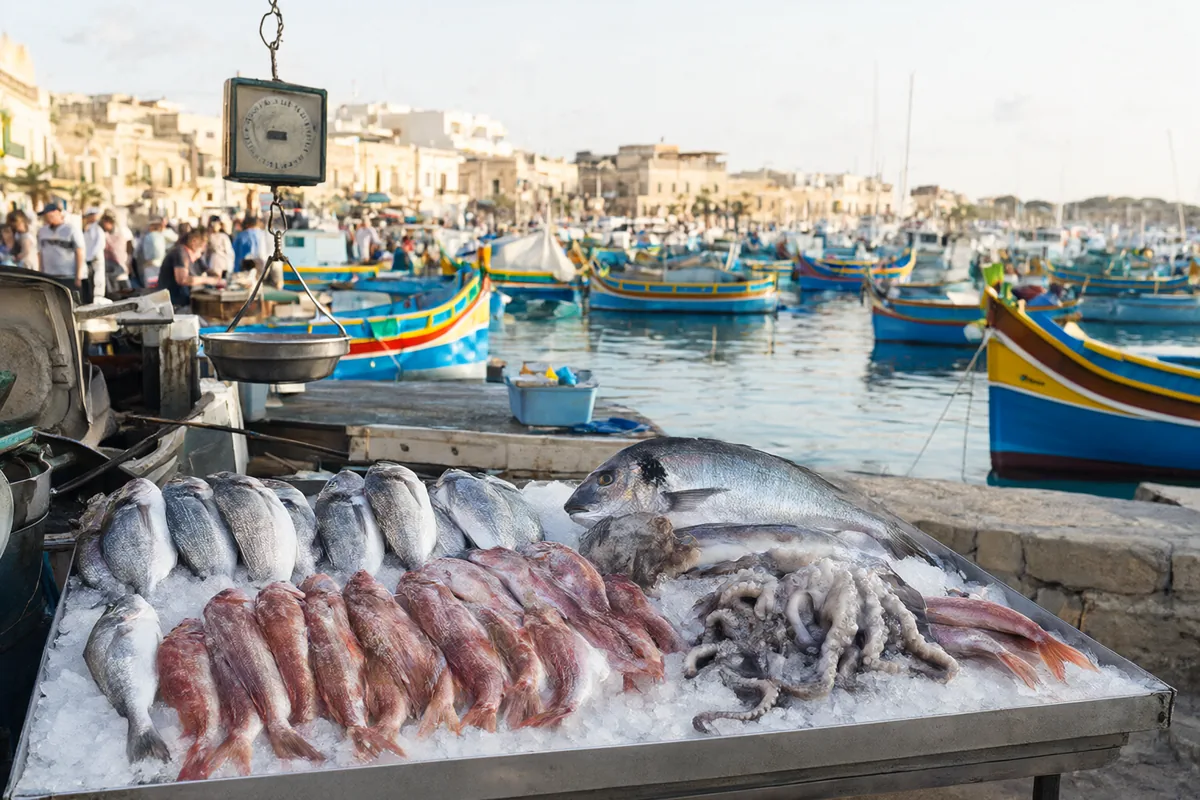
Fresh fish in Maltese restaurants is often displayed on ice and priced per kilo, and the waiter will suggest a fish "for the table". The price on the board is per kilo, so ask the weight and the total before it is cooked. swap.menu flags per-kilo prices when it reads the menu and explains Maltese dish names in your language.
Tipping, service charges and paying the bill
Menu prices in Malta include VAT. Some restaurants add a service charge, typically around 10 percent, and a few add a cover charge for bread; either should be stated on the menu or the bill. Our guide to tax and service charges on menus explains how these lines work around the world.
Where no service charge is added, a tip of about 5 to 10 percent is normal for good service at a sit-down meal. At pastizzerias, kiosks and cafés, rounding up is fine. Leaving cash on the table is the simplest way to tip.
Malta uses the euro (€). Cards are accepted almost everywhere, including most restaurants and bars, but small pastizzerias, kiosks and village bars may prefer cash. If a card machine offers to charge you in your home currency, decline and pay in euros: our guide to paying in local currency explains why that conversion costs you more.
Lunch is typically 12:30 to 2:30pm and dinner from about 7:30pm, a little later in summer. Sunday lunch is the big family meal, and popular restaurants in villages and on Gozo fill up, so book ahead.
Where to eat in Malta, town by town
Malta is small, and buses or a short taxi ride connect most places, with a ferry across to Gozo. Jump to a destination:
Where to eat in Valletta
Valletta, the walled capital built by the Knights of St John, is the best place in Malta for a long lunch or dinner in a historic setting. Many restaurants put tables out on the stepped limestone streets under wooden balconies, and the steep lanes running down towards the harbours are lined with small wine bars. Strait Street, once the sailors' entertainment street, now has bars and small restaurants, and Merchants Street and the streets off Republic Street have cafés and pastizzerias for a quick lunch.
Is-Suq tal-Belt, Valletta's restored 19th-century market hall, has a food hall with stalls serving Maltese and international dishes, and a small food shop in the basement. For Maltese cooking in Valletta, look for stuffat tal-fenek, bragioli, aljotta and a plate of local cheeses, sausage and bigilla to share. The restaurants on the main squares charge more for the view, so walk a street or two away. Book ahead for Friday and Saturday dinners in Valletta, when the small restaurants fill quickly.
Where to eat in Sliema and St Julian's
Sliema and St Julian's, across the harbour from Valletta, are where most visitors stay, and they have the island's biggest concentration of restaurants. The waterfront along Tower Road and the Sliema Ferries area is lined with cafés and restaurants facing the sea and Valletta's skyline, and Spinola Bay and Balluta Bay in St Julian's have fish restaurants and wine bars. Much of the food here is international, so look a little harder for Maltese cooking.
In the back streets of Sliema, local pastizzerias sell pastizzi, qassatat (larger, rounder pastries) and Maltese pizza for breakfast and late-night snacks. Seafood restaurants in St Julian's serve local fish such as lampuki in season, sea bream and octopus stew. Paceville, the nightlife district next to St Julian's, is busy and loud late at night, with fast food rather than good food. A ferry from Sliema takes about ten minutes to Valletta, so it is easy to eat in both.
Where to eat in Mdina and Rabat
Mdina, the walled old capital in the centre of Malta, is quiet, beautiful and full of visitors by day. Its cafés and restaurants are best for a cake, a coffee or a drink on the bastion walls with a view across the island. For more local food, walk out of the city gate into Rabat, the town next door, where pastizzerias have been serving early-morning pastizzi and tea to locals for generations, and small restaurants cook Maltese dishes at reasonable prices.
Rabat is also a good base for exploring the rural west of Malta. The village of Mġarr, a short drive north, is known across the island for its rabbit restaurants, and it is the classic place for a fenkata, a group meal of spaghetti with rabbit sauce followed by rabbit fried with garlic and wine. Near Dingli Cliffs, a few places serve simple local food with sea views. The countryside here grows much of Malta's produce, and roadside stalls sell vegetables, honey and cheese.
Where to eat in Marsaxlokk
Marsaxlokk is a fishing village in the south-east of Malta, famous for its harbour full of luzzu, the brightly painted wooden fishing boats with an eye on the bow. On Sunday mornings, the waterfront fills with the Marsaxlokk fish market, where fishermen and traders sell the catch alongside stalls of produce, honey, sweets and souvenirs. It gets very crowded by late morning, so arrive early if you want to see the fish.
The seafront in Marsaxlokk is lined with fish restaurants, and lunch here is a Maltese tradition, especially on Sundays. Order the catch of the day grilled, aljotta, octopus stew (stuffat tal-qarnit), or a mixed seafood platter, and in autumn look for lampuki fried or baked in a pie. Ask for the price of whole fish before it goes on the grill. The quieter neighbouring bay of St Peter's Pool is a popular place to swim after lunch.
Where to eat in Birgu
Birgu, also called Vittoriosa, is one of the Three Cities across the Grand Harbour from Valletta, and it was the Knights' base before Valletta was built. Its narrow streets are quieter and more residential than Valletta's, and its waterfront along the marina has restaurants with views back across the harbour. The traditional way to arrive is by dgħajsa, the small wooden water taxi, or by the ferry from Valletta.
The old streets inside Birgu have a handful of small restaurants and wine bars that cook Maltese dishes with care, as well as neighbourhood bars where locals gather. The nearby towns of Senglea and Cospicua are even less visited and have simple bars serving ftira and pastizzi. An evening in Birgu, with dinner on the marina and a walk through the lanes, is one of the most relaxed meals Malta offers.
Where to eat in Gozo
Gozo, Malta's smaller and greener sister island, is a short ferry ride from Ċirkewwa, and many Maltese go there just to eat. Gozo is known for its ġbejniet (sheep's milk cheeselets), honey, capers, sun-dried tomatoes and its own version of ftira, baked with potatoes, anchovies and cheese. Village restaurants serve rabbit, local lamb and fish, and lunch on Gozo tends to be long and generous.
The capital, Victoria (also called Rabat), has cafés around its main square and small shops selling local cheese and produce near the citadel. For seafood, head to the bays of Xlendi and Marsalforn, both with restaurants by the water. Near Marsalforn, the salt pans along the coast still produce sea salt, sold in small bags by local families. Gozo is quieter than Malta, especially in winter, so check opening hours, and book for Sunday lunch.
Vegetarian, vegan and allergy tips
Malta is manageable for vegetarians, with pea pastizzi, ricotta pastizzi, bigilla, kapunata (a Maltese version of ratatouille), vegetable soups, ġbejniet and plenty of pasta. The Maltese word for vegetarian is veġetarjan, though English is understood everywhere. Watch for tuna and anchovies on ħobż biż-żejt and Gozo ftira, meat in timpana and stuffed vegetables, and stock in soups. Minestra, the thick vegetable soup, may be made with meat stock, so ask.
Vegans should note that many pastries contain butter or lard and that ricotta and cheese appear widely. Common allergens include wheat in almost every snack, nuts in nougat and festa sweets, and fish and shellfish in soups and pasta sauces. Our guide to eating abroad with food allergies explains how to make an allergy clear, even where staff speak English as a second language.
Useful Maltese phrases for ordering
Everyone in Malta speaks English, but a few words of Maltese are always appreciated.
Bonġu / Bonswa "Good morning / Good evening"
Mejda għal tnejn, jekk jogħġbok "A table for two, please"
X'tirrakkomanda? "What do you recommend?"
Nixtieq dan "I would like this" (pointing)
Għandi allerġija għal... "I have an allergy to..."
Il-kont, jekk jogħġbok "The bill, please"
Grazzi, kien tajjeb ħafna "Thank you, it was very good"
Saħħa! "Cheers!", also used to say goodbye
How swap.menu helps you eat in Malta
Maltese menus are usually in English, but the dish names often are not: a chalkboard reading stuffat tal-qarnit, bragioli or torta tal-lampuki does not tell you that you are looking at octopus stew, beef olives and a dorado pie. Photograph the menu with swap.menu and every dish is explained in plain language, with the Maltese name kept beside it. Every price is converted from euros to your home currency, and we point out service charges, cover charges and per-kilo fish prices. Visitors from non-English-speaking countries can read the whole menu in their own language, in any of 29 languages.
Tap the dishes you want, add a note such as "no fish" or "nut allergy", typed or spoken, and swap.menu prepares a clear order to show the waiter, or they can scan the QR code and read it on their own screen. Your menus are saved, so you can look back at what you ate. You can try it right now on a sample menu with the free demo, or see travel pass prices.
Off to Malta? Your first 3 menu scans are free, and a travel pass starts from $4.99 with nothing that renews.
Start free with 3 scansMalta food FAQ
Do you tip in restaurants in Malta?
Tipping around 5 to 10 percent is normal for good service at a sit-down meal in Malta, unless a service charge is already on the bill. At cafés and pastizzerias, rounding up is enough. Tips are appreciated but not compulsory.
What food is Malta famous for?
Malta is best known for rabbit stew (stuffat tal-fenek), pastizzi, ftira and ħobż biż-żejt, lampuki pie, timpana and Gozo's sheep's milk cheeselets. Maltese food shares a lot with Sicily, including baked pasta and ricotta pastries.
Is it expensive to eat out in Malta?
Prices in Malta are moderate by western European standards. Pastizzi are one of the cheapest snacks in Europe, and village restaurants offer good value, while seafront restaurants in Sliema, St Julian's and Valletta charge more. Fresh fish priced by the kilo can make a meal expensive, so ask the total first.
Is tap water safe to drink in Malta?
Tap water in Malta is treated and safe to drink, but much of it comes from desalination and it can taste salty or of chlorine. Many residents drink bottled or filtered water. Restaurants usually serve bottled water.
What time do people eat dinner in Malta?
Dinner in Malta usually starts from about 7:30pm to 8pm, and a little later in the summer heat. Lunch is typically eaten from 12:30 to 2:30pm. Sunday lunch is the main family meal of the week.
Are menus in Malta in English?
Yes, most menus in Malta are in English, but many Maltese dish names are left untranslated, and specials are sometimes written in Maltese. swap.menu explains each dish, converts prices to your currency, and lets visitors who do not read English see the menu in their own language.
Travelling further in the Mediterranean? Read our food guides for nearby countries:
Or browse every travel food guide.