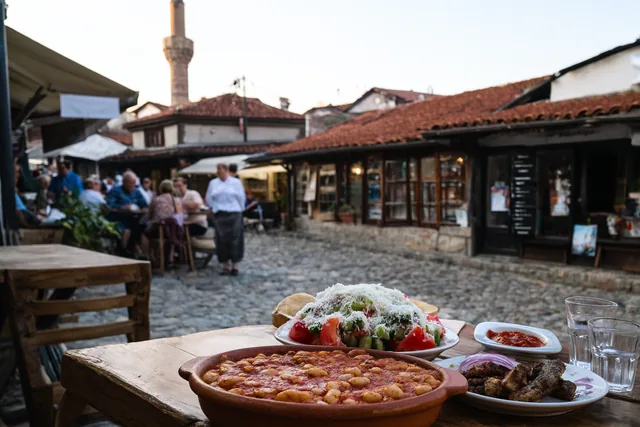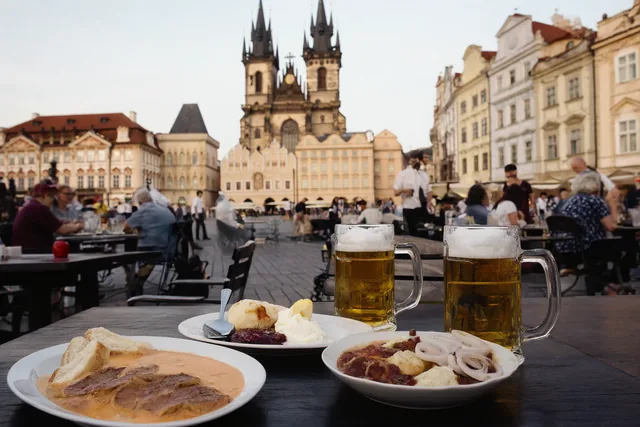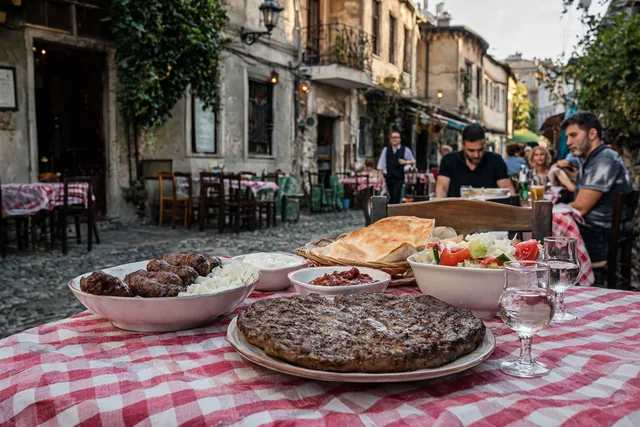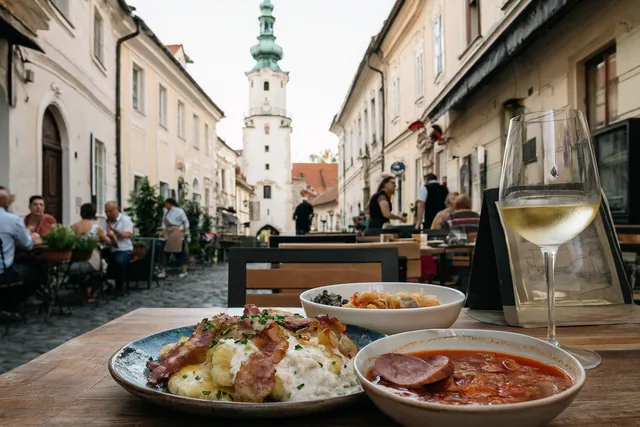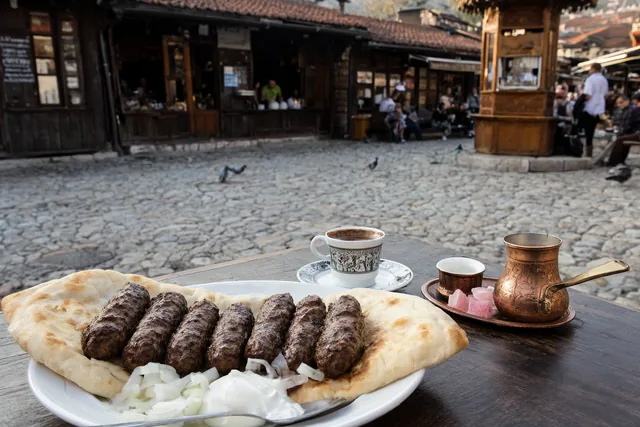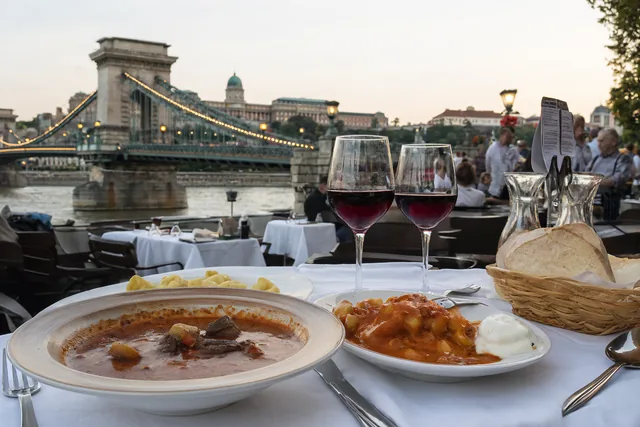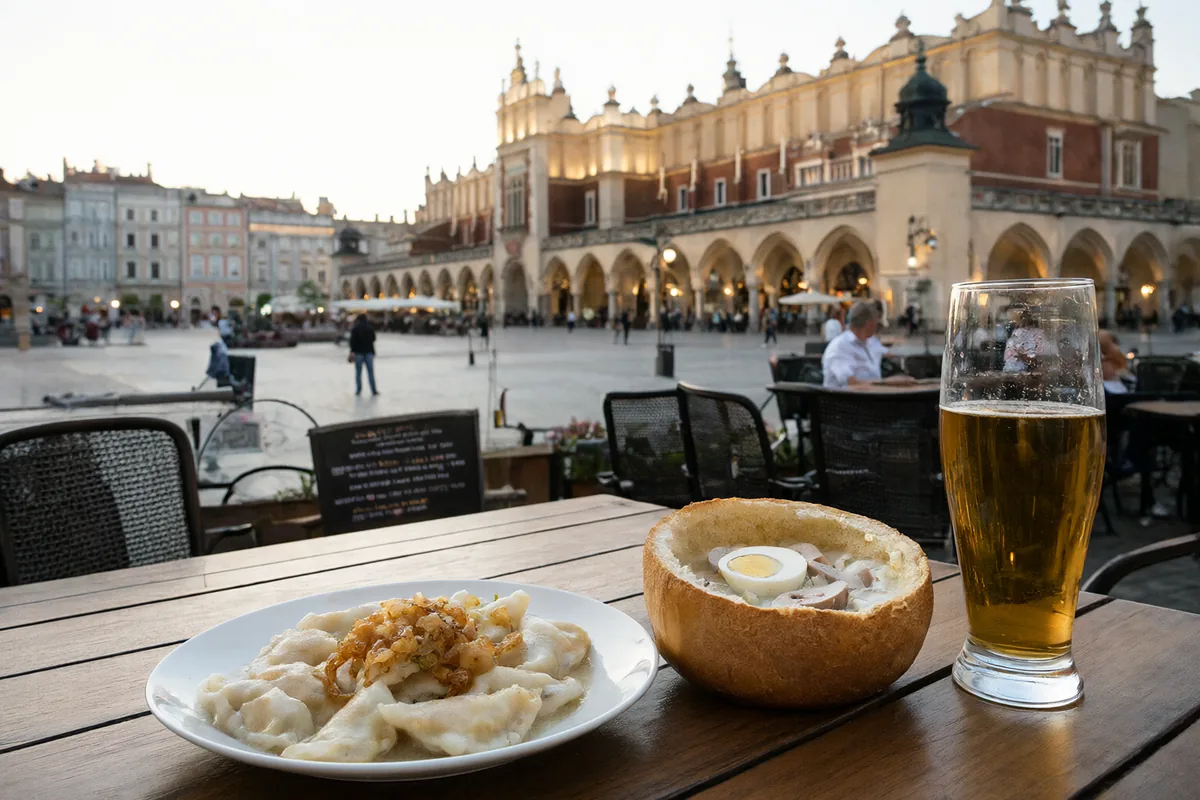
Polish food is hearty, seasonal and far better than its reputation outside Europe suggests. This Poland food guide covers the dishes worth ordering, how a Polish menu is organised, whether to tip and how to pay, then goes city by city through where to eat in Kraków, Warsaw, Gdańsk, Wrocław, Poznań, Zakopane and Lublin. Expect soups at almost every meal, dumplings in a dozen forms, sour flavours from fermented rye, cabbage and cucumber, and a strong tradition of cheap, honest canteens alongside a modern restaurant scene that has grown quickly in the big cities.
What to eat in Poland: 12 dishes to know
These are the dishes you will see on menus across the country, with the city or region they belong to where it matters. Most are comfort food built on potatoes, pork, cabbage, mushrooms and dill.
- Pierogi (everywhere): boiled or fried dumplings. Ruskie are filled with potato and white cheese, z kapustą i grzybami with sauerkraut and mushrooms, z mięsem with meat, and in summer z jagodami with blueberries and cream.
- Żurek (everywhere): a sour soup made from fermented rye flour, with white sausage and a halved boiled egg, sometimes served inside a hollowed-out loaf of bread.
- Bigos (everywhere): "hunter's stew" of sauerkraut, fresh cabbage, several kinds of meat and sausage, mushrooms and prunes, cooked slowly over days.
- Kotlet schabowy (everywhere): a breaded pork cutlet, the classic Sunday lunch, served with potatoes and a cabbage or cucumber salad.
- Barszcz czerwony (everywhere): clear beetroot soup, often with uszka, tiny mushroom dumplings, or drunk from a cup alongside a pasztecik or croquette.
- Gołąbki (everywhere): cabbage leaves rolled around minced meat and rice, baked in tomato sauce.
- Placki ziemniaczane (everywhere): crisp potato pancakes, served with sour cream or topped with goulash as placek po węgiersku.
- Rosół (everywhere): clear chicken or beef broth with thin noodles, the standard start to a Sunday lunch.
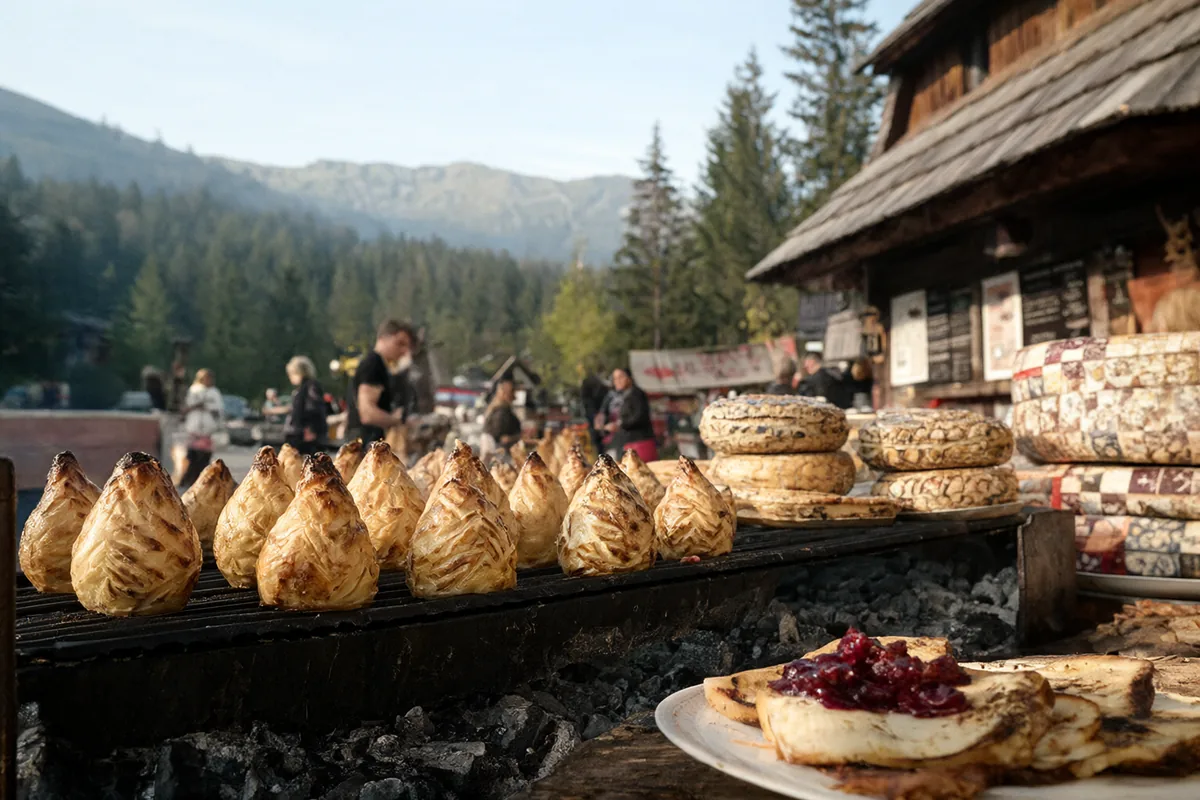
- Oscypek (Zakopane and the Tatras): smoked sheep's cheese pressed in carved wooden moulds, grilled and served with cranberry jam.
- Zapiekanka (Kraków): a halved baguette topped with mushrooms and melted cheese, baked and finished with ketchup. Cheap, filling late-night food.
- Kluski śląskie (Silesia and Wrocław): round potato dumplings with a dimple in the middle to hold gravy, served with beef rolada and red cabbage.
- Pączki (everywhere): deep-fried doughnuts filled with rose jam or custard, eaten by the boxful on Fat Thursday (Tłusty Czwartek) before Lent.
How to read a Polish menu
Polish menus follow a simple order: starters, soups, mains, sides and desserts. Two habits surprise visitors. Sides are often listed and priced separately, so a main course may arrive as just the meat. And many menus give the weight of each portion in grams, which helps you judge how big a plate will be. These are the words you will see most often.
| Polish | Meaning |
|---|---|
| Przystawki | Starters |
| Zupy | Soups, usually a full section of their own |
| Dania główne | Main courses |
| Dodatki | Sides, ordered separately: potatoes, fries, salads, groats |
| Surówka | A side salad of raw grated vegetables, often cabbage or carrot |
| Desery | Desserts |
| Napoje | Drinks |
| Wieprzowina / wołowina / drób | Pork / beef / poultry |
| Kurczak / kaczka / ryba | Chicken / duck / fish |
| Ziemniaki / kasza | Potatoes / groats (usually buckwheat or barley) |
| Smażony / pieczony / gotowany | Fried / roasted or baked / boiled |
| Danie dnia / zestaw dnia | Dish of the day / set lunch, often soup plus a main |
| Za 100 g | Priced per 100 grams, common for fish |
| Bez glutenu / wegański | Gluten-free / vegan |
Fish in Polish restaurants, especially on the coast and in mountain trout farms, is often priced "za 100 g". The figure on the menu is not the price of your plate, so ask how heavy the fish is before it is cooked. swap.menu flags priced-by-weight items when it reads the menu, so the bill does not surprise you.
Tipping, service and paying the bill
Tipping is normal in Polish sit-down restaurants, and about 10 percent is the usual amount for good table service. Some restaurants add a service charge (serwis), most often for larger groups, and when they do it should be stated on the menu and the bill, in which case you do not need to tip on top. Our guide to tax and service charges on menus explains how these lines work around the world. VAT is already included in menu prices.
One local habit catches visitors out. If you hand over cash and say dziękuję ("thank you"), many waiters take it to mean "keep the change". If you want change back, wait until it arrives before you thank them. Card machines increasingly offer a tip option on screen; if not, tell the waiter the total you want to pay or leave a little cash on the table.
Prices are in Polish złoty (zł, code PLN), which is divided into 100 groszy. Poland is one of the most card-friendly countries in Europe: contactless and phone payments work almost everywhere, including market stalls and small bakeries. If a card machine or cash machine offers to charge you in your home currency, decline and pay in złoty. Our guide to paying in local currency explains why that choice costs you money.
The traditional main meal, obiad, is eaten in the early to mid afternoon, and supper (kolacja) is lighter. In practice most restaurants serve from around noon until 10pm, and weekday set lunches run from roughly noon to 4pm. Big-city restaurants fill up from 7pm, but Poland does not eat as late as southern Europe.
Where to eat in Poland, city by city
Each Polish region has its own dishes and its own pride: Silesian dumplings, Kashubian fish, highland cheese, Poznań pastries. Jump to a city:
Where to eat in Kraków
Kraków is where most visitors eat their first plate of pierogi, and the city is very good at the classics: żurek, bigos, potato pancakes and roast duck with apples. The restaurants around the Main Market Square (Rynek Główny) are pleasant for a drink in the evening, but the prices reflect the view, and many of the better places are in vaulted brick cellars a street or two away. For a mix of old Kraków taverns, Jewish food and newer bistros, head to Kazimierz, the historic Jewish quarter south of the old town, which has the city's liveliest food and bar streets.
In the middle of Kazimierz, the round market building on Plac Nowy sells zapiekanki from hatches all around it, and it is busiest late at night. On the street you will also see carts selling the obwarzanek krakowski, a ring-shaped bread boiled then baked and topped with poppy seeds, salt or sesame. For produce, smoked cheese and cured meats, the Stary Kleparz market north of the old town has traded for centuries. Kraków also keeps a few traditional bar mleczny (milk bars), subsidised canteens where you order at the counter and eat pierogi and soup for very little.
Where to eat in Warsaw
Warsaw has the biggest and most international restaurant scene in Poland. The Old Town was rebuilt after the Second World War and its restaurants are aimed mostly at visitors; the more interesting eating is elsewhere. Hala Koszyki, a restored early 20th century market hall in the city centre, is now a food hall with dozens of counters, and Hala Gwardii near the Mirów market halls does a similar job. Across the river, the Praga district, especially around Ząbkowska street, has older bars and new restaurants in pre-war buildings.
Warsaw foods to try include pyzy, soft potato dumplings sometimes stuffed with meat, and the wuzetka, a chocolate sponge cake layered with whipped cream that the city treats as its own. Warsaw also has a large Vietnamese community, and Vietnamese food has become everyday food here, so a bowl of pho is easy to find. Milk bars survive in the centre too, and they remain the cheapest hot lunch in the capital. On weekdays, look for the zestaw dnia or lunch menu chalked up outside: soup and a main course at a fixed price.
Where to eat in Gdańsk
Gdańsk sits on the Baltic coast, so fish is the thing to order: smoked and pickled herring (śledź), fried flounder (flądra), cod, and fish soup. Herring comes in many forms, in oil with onion, in sour cream with apple, or as a starter with a shot of cold vodka. The local Kashubian region adds its own dishes, and you will also find the same pierogi and pork dishes as elsewhere. Gdańsk is also the birthplace of Goldwasser, a herbal liqueur with flakes of gold leaf floating in it, made here since the 16th century.
The main tourist street, Długi Targ (Long Market) and the riverside along the Motława, are lined with terraces, and the quieter Mariacka street with its stone terraces is good for coffee and amber shops. The covered Hala Targowa market in the old town sells smoked fish, cheese and produce. Gdańsk is one of three cities known as the Tricity, and a short train ride takes you to Sopot, a seaside resort with a pier and beach bars, and Gdynia, which has some of the region's best fish restaurants near the harbour.
Where to eat in Wrocław
Wrocław was a German city until 1945, then resettled by Poles from the east, and its food reflects both Silesian and borderland traditions. The dish to look for is the Silesian Sunday lunch: beef rolada (a roulade filled with bacon, pickled cucumber and onion), kluski śląskie and braised red cabbage. Wrocław also has a strong beer culture, with many brewpubs and cellar bars serving their own lager and wheat beer.
The Rynek, one of the largest market squares in Europe, is ringed with restaurants and is busy until late, though the prices are higher than a few streets away. The Hala Targowa, a market hall from 1908 near the river, is the place for produce, cheese and cheap lunch counters. The Nadodrze district north of the river has younger cafés and bars in old tenement courtyards, and the area around Plac Solny and Ruska street is good for an evening out. Look down as you walk: Wrocław is famous for hundreds of small bronze dwarf statues, and several sit outside restaurants and bakeries.
Where to eat in Poznań
Poznań is the capital of the Greater Poland region and has two dishes it is especially proud of. The rogal świętomarciński (St Martin's croissant) is a large crescent pastry filled with white poppy seeds, nuts and dried fruit, made to a protected recipe and eaten in huge numbers on 11 November, St Martin's Day. The other is pyry z gzikiem, boiled potatoes in their skins with gzik, a quark cheese mixed with onion, chives and cream, a simple and very local lunch.
The Old Market Square (Stary Rynek) is the centre of Poznań life, with restaurants in its colourful merchant houses. Every day at noon two mechanical goats butt heads above the town hall clock, and the square fills to watch. For something less touristy, the Jeżyce district west of the centre has some of the city's best cafés and bistros, plus a neighbourhood market on Rynek Jeżycki. Poznań is also a good place to try duck, which Greater Poland cooks often, roasted with apples or served with red cabbage and potato dumplings.
Where to eat in Zakopane
Zakopane is Poland's mountain resort at the foot of the Tatras, and its highland (góralski) food is different from the rest of the country. Order kwaśnica, a sour sauerkraut soup cooked with pork ribs, highland lamb, potato pancakes, and plenty of local cheese. Oscypek is the star, but look also for bundz, a fresh mild sheep's cheese, and bryndza, a soft salty spread. Restaurants here are typically wooden karczma inns with open fires, carved furniture and, on many evenings, a band playing highland folk music.
The main street, Krupówki, is lined with karczmas and stalls and is crowded in season. The market at the foot of the Gubałówka funicular is where the cheese sellers set up, grilling oscypek on small barbecues. A practical tip for Zakopane: genuine oscypek is made from sheep's milk and is seasonal, roughly May to September, when the flocks are in the high pastures. Out of season, much of what is sold as oscypek is a cow's milk smoked cheese called gołka or a lookalike, still tasty but not the same thing.
Where to eat in Lublin
Lublin, in eastern Poland, is a university city with a well-preserved old town and fewer foreign visitors than Kraków, which keeps prices low. The local speciality is the cebularz, a flat wheat bread topped with chopped onion and poppy seeds, sold in bakeries all over Lublin and protected under EU rules as a regional product. It is best warm in the morning. The other local dish is forszmak lubelski, a spicy stew of minced meat, sausage, tomato and vegetables.
The old town streets around the Grodzka Gate and the Market Square have small restaurants and cellar bars, and the Krakowskie Przedmieście boulevard is the main promenade, lined with cafés. The city's Jewish heritage is reflected in some menus, and eastern Polish cooking brings buckwheat, mushrooms and pierogi filled with groats and cheese. Lublin makes a good base for a day trip to Zamość, a Renaissance town with an arcaded square full of terraces.
Vegetarian, vegan and allergy tips
Polish food is meat-heavy, but vegetarians do better than you might expect. Pierogi ruskie, potato pancakes, dumplings with fruit, beetroot soup and fried cheese are common, and big cities have many vegetarian and vegan restaurants. The word to look for is wegetariański (vegetarian); older menus may say jarski. Watch for hidden meat: many soups, including barszcz and żurek, are made with meat stock, pierogi are often served topped with fried onion and skwarki (pork crackling), and the bread that arrives with a beer is often served with smalec, a pork lard spread.
Dairy is everywhere, from sour cream on dumplings to white cheese in fillings, so vegans should ask. Gluten-free options (bez glutenu) are increasingly labelled in cities but harder to find in country inns. Poppy seeds and nuts appear in many cakes and pastries. Our guide to eating abroad with food allergies explains how to explain an allergy clearly when you do not speak the language.
Useful Polish phrases for ordering
Dzień dobry "Good day", the polite greeting to staff at any time until evening (Dobry wieczór in the evening)
Stolik dla dwóch osób, poproszę "A table for two, please"
Co pan / pani poleca? "What do you recommend?" (pan to a man, pani to a woman)
Poproszę to "I would like this, please" (pointing)
Jestem uczulony / uczulona na... "I am allergic to..." (uczulony for a man, uczulona for a woman)
Poproszę rachunek "The bill, please"
Na zdrowie! "Cheers!"
Dziękuję, było pyszne "Thank you, it was delicious" (but remember that dziękuję can mean "keep the change")
How swap.menu helps you eat in Poland
Outside the tourist squares, Polish menus are often in Polish only, and the milk bars and highland inns that serve the best home cooking rarely have an English version. Photograph the menu with swap.menu and every dish appears in your language with the Polish name beside it and a short explanation, so you know that flaki is tripe soup and kaszanka is blood sausage with buckwheat before you order. Every price is converted from złoty to your home currency, and we flag the dishes priced per 100 g and any service charge so the bill holds no surprises.
Tap the dishes you want, add a note such as "no meat stock" or "without crackling, please", typed or spoken, and swap.menu translates your order into Polish. Show the waiter your phone, or let them scan the QR code and read your order on their own screen. You can try it right now on a sample menu with the free demo, or see travel pass prices.
Off to Poland? Your first 3 menu scans are free, and a travel pass starts from $4.99 with nothing that renews.
Start free with 3 scansPoland food FAQ
Do you tip in restaurants in Poland?
Yes, around 10 percent is normal for good table service in a sit-down restaurant. If a service charge is already on the bill you do not need to add more. Be careful saying "dziękuję" when you hand over cash, because it can be taken to mean "keep the change".
What food is Poland famous for?
Pierogi are the best known, followed by żurek (sour rye soup), bigos (hunter's stew), kotlet schabowy (breaded pork cutlet), barszcz (beetroot soup) and pączki (filled doughnuts). Regional specialities include oscypek cheese from the Tatras and the St Martin's croissant from Poznań.
Is Poland expensive to eat out?
Poland is good value by western European standards. Milk bars and weekday set lunches are very cheap, and even mid-range restaurants in Kraków and Warsaw cost noticeably less than in Berlin or Paris. Restaurants on the main market squares charge more for the location.
Which city in Poland is best for food?
Warsaw has the widest choice and the most modern restaurants, Kraków is best for traditional Polish cooking in historic surroundings, and Gdańsk is the place for Baltic fish. Wrocław and Poznań are excellent for regional dishes at lower prices.
Is tap water safe to drink in Poland?
Tap water in Polish cities is treated and safe to drink, though many locals still prefer bottled water. Restaurants usually serve bottled still (niegazowana) or sparkling (gazowana) water rather than tap water.
How can I read a Polish menu if I do not speak Polish?
Learn a few section headings such as zupy (soups), dania główne (mains) and dodatki (sides), or photograph the menu with swap.menu. It translates every dish into your language, explains what it is, converts prices from złoty to your currency and translates your order back into Polish for the waiter.
Travelling further in Europe? Read our food guides for neighbouring countries:
- Germany food guide
- Czech Republic food guide
- Slovakia food guide
- Lithuania food guide
- Hungary food guide
Or browse every travel food guide.